
What Depression Does to a Marriage When You Live With Endometriosis
Have you ever sat beside the person you love and missed them, even though they were right there? What depression does to a marriage can be especially hard to explain when endometriosis already shapes your plans, your sleep and how it feels to be touched. Perhaps you cancelled dinner because sitting upright hurt. Now your partner is wondering whether you wanted their company at all. Or perhaps the pain has eased today, but the pleasure you expected to feel still hasn’t come back.
Depression can leave a couple feeling distant when conversation, affection and daily tasks take more effort. Endometriosis can add pain and fatigue. Asking what feels difficult, sharing one manageable task and making room for professional support can help you stay connected through changes in mood.
I write as a husband, blogger and researcher who has spent years learning about my wife’s experience of endometriosis and depression, and although I’m not a clinician, I’ve listed the NHS and NICE sources below so you can see where the health guidance comes from.
I wrote about how to build a happy marriage with endometriosis because illness kept asking my wife and me to find new ways of being together. Here I want to talk about one particular difficulty: what to do when pain, low mood and the fear of rejection all show up in the same conversation.
When my wife was unwell, I sometimes spent my shift worrying about how she was coping. By the time I got home I had thought of half a dozen things to suggest. I hadn’t yet heard what her day had actually been like.
If someone you love keeps offering solutions when all you want is to finish a sentence, I hope you’ll find words here that help them hear you.
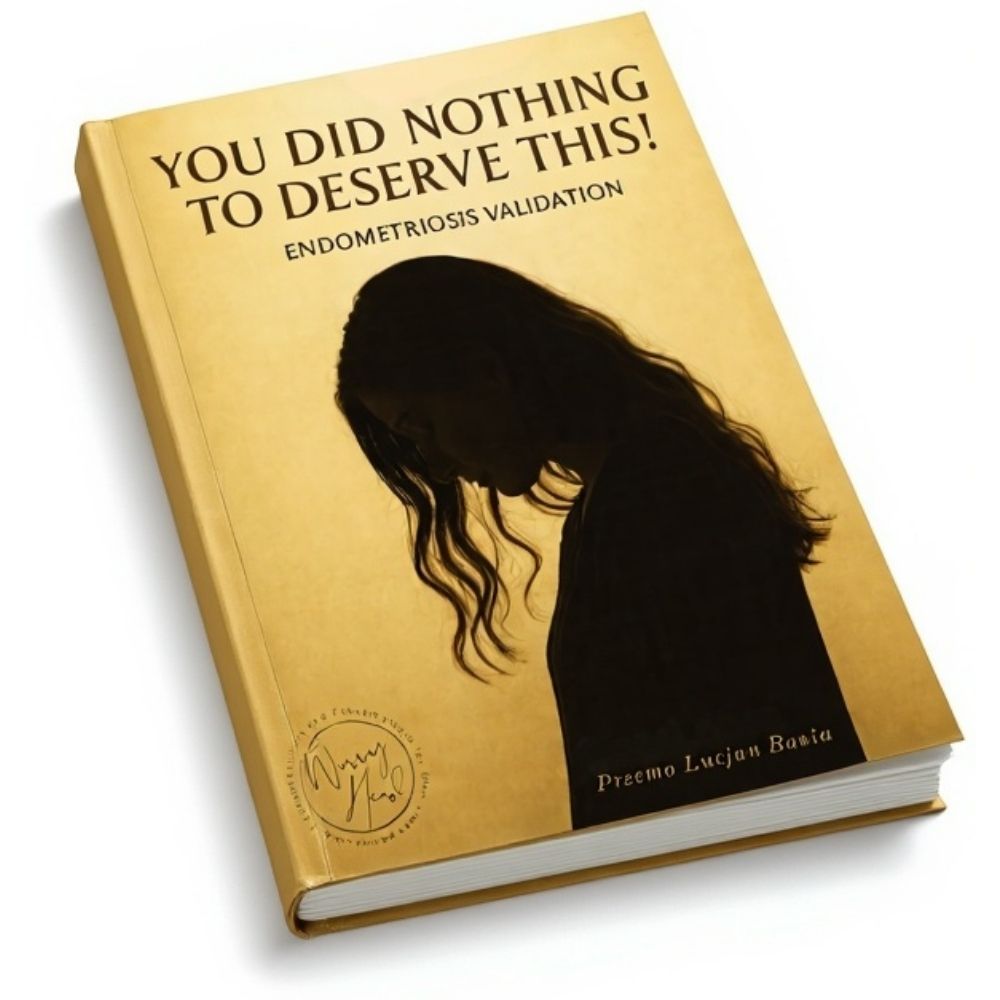
My free eBook, You Did Nothing To Deserve This!, is for you if you’ve ever felt you had to apologise for the part endometriosis plays in your relationship.
You Did NOTHING To Deserve This!
Endometriosis Validation for Women with Endo
Understanding What Depression Does to a Marriage With Endometriosis
One of the hardest things for me was how easily I could misread silence. I might have spent the whole day worrying, then come home ready to talk just when my wife had run out of words. My worry was real. So was her need for quiet. Neither of us could know what the other meant unless we found a way to say it.
The NHS describes loss of interest, low energy and withdrawing from others as experiences that can accompany depression. At home, that might look like a meal left untouched or a whole evening passing without your usual chat. Any one of those things has more than one possible explanation. Start with what you have seen and leave room for your partner to tell you what it means.
If you are the one living with depression, you may still want to be asked to join in, even on a day you decline. If that feels true for you, try saying, “Please keep asking. It helps to know you still want me there.” If you’re the partner hearing that, an invitation without pressure can keep an ordinary part of your marriage alive.
A useful distinction is what you mean by “I can’t go”. On a flare day, you might want the concert as much as ever but know you cannot stand through it. On another day, even listening to the music at home might hold no appeal. Either answer deserves to be heard. You can ask, “Is there a way you’d enjoy this that would be easier on your body, or would you like to leave it today?” That gives the person living it the last word.
The NHS lists fatigue, pain during or after sex, and low mood among the experiences that can accompany endometriosis. That doesn’t tell either of you what caused a particular change. If you speak to your GP, an example such as “Even on days when the pain is quieter, I no longer look forward to things I used to enjoy” can make a different conversation possible from reporting pain alone. Both parts of your experience deserve attention.
Listen Through the Silence
I used to interrupt my wife halfway through what she was saying. In my head I was looking for a solution. She explained that each interruption made her feel ignored, particularly when it had taken real effort to find the words. I needed to let her finish before deciding what sort of help she wanted.
Offer a Choice
A small question can spare you both a long misunderstanding. “Would you like me to listen, help you think it through, or just sit here with you?” If choosing also feels like work, offer one simple thing. “I’m making tea. Shall I bring you one?” Your partner can say yes or no without having to explain their whole day.
You’re allowed to tell your partner how things feel for you, too. Choose a quieter moment and make one specific request. “When you need an evening on your own, could you let me know whether you’d like me to check in before bed?” That gives you both something you can actually do. If talks keep breaking down on flare days, my guide to communicating when endometriosis changes your plans has more ways to start that conversation. If a conversation becomes hurtful, you can pause it and agree when you’ll try again.
Share the Everyday Work
I took two months away from work when my wife was very unwell. I remember the worry about leaving her and the financial pressure of taking time off. That was a decision in our circumstances. You may have a shift you cannot miss, children who need collecting, or bills that depend on both wages. Your ability to take leave says very little about how much you care.
Pick one part of the day that keeps going wrong and talk about that. If dinner is the sticking point, you could offer two easy options, handle the washing-up, or ask someone you trust to drop off a meal. Let your partner keep the decisions they want to make. Agree when you’ll revisit the arrangement so a temporary change doesn’t silently become one person’s permanent job. On the next quieter day, ask which job your partner would actually like back. Cooking together for ten minutes might mean more to them than having somebody take over the whole kitchen every night.
It can also help to make your home easier to rest in. For one of you that might mean a quiet room. For the other it might mean sitting together while the kettle boils. Ask before changing the room, cancelling a visit or speaking on your partner’s behalf.
Ask What Touch Feels Comfortable
If a kiss, a cuddle or sex has become less frequent, it can hurt to be the one who reaches out. It can also hurt to be the person who loves their partner and feels that every touch now comes with an expectation. A conversation outside the bedroom gives you both more room to be honest.
Try asking what kind of closeness would feel welcome today. That could be holding hands on the sofa, sitting close without touching, or having the evening to yourself. A yes to one thing only covers that thing. If you miss intimacy, you can say so with kindness and give your partner time to answer. If either of you is worried about a change in desire or how treatment might be affecting you, you can raise it privately with your GP.
In our marriage, my wife’s experience of deep infiltrating endometriosis also mattered. If pain is part of intimacy for you, say that plainly if you feel able. Guessing that every change is caused by mood can leave another important part of your experience unheard. Imagine saying, “I’d love to be close, but I’m worried it will hurt afterwards.” A partner who hears only “I don’t want sex” may try to reassure you about attraction when what you needed was for them to believe you about pain. A useful answer can be as simple as “Thank you for telling me. What would feel comfortable?” You can also say that today you’d prefer no touch at all.

Finding Support for What Depression Does to a Marriage
My wife and I attended a mental health support group together. Having somewhere else to talk mattered to me as a husband. You might prefer separate spaces so you can each speak freely. If someone offers to help, a specific request is easier to act on than “we’re struggling”. A lift to an appointment or a regular call can take one worry off your list.
The NHS suggests encouraging someone experiencing depression to seek help and looking after yourself as you support them. You could offer to sit beside your partner while they contact their GP, if they want company. You can also ask your own GP for help with your sleep, stress or mood. You don’t need to wait until your partner feels better to talk about how you are managing.
If you both want help with the relationship, NICE includes behavioural couples therapy as an option a clinician can consider in some circumstances. You can ask whether it fits your situation. Your partner can also ask for individual support, and your own support matters whichever route they choose.
Where to Find Urgent Help
When my wife spoke about suicide, I was frightened. If this is happening in your home, you do not have to work out how serious it is on your own. In England, the NHS gives a clear route for urgent mental health help, linked in the references below. If someone’s life is in immediate danger or you cannot keep yourself or another person safe, call 999 or go to A&E. For urgent help in England when there is no immediate danger, call NHS 111 and select the mental health option, or ask for an urgent GP appointment.
Books My Wife Chose
While my wife was waiting for therapy, she read the three books below. Her first wait was nine months, and I remember how hard that stretch was. These are personal reading suggestions. If your needs change while you’re waiting, you can contact the service or your GP again. The book links below are affiliate links.
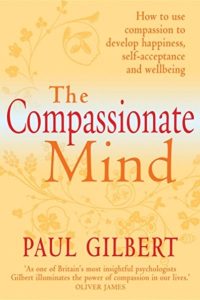
The Compassionate Mind. My wife could be much harsher on herself than I would ever be. What she valued in this book was the invitation to speak to herself with kindness. If you read it together, let the person reading choose what they want to share.
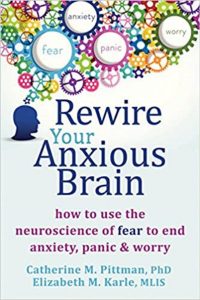
Rewire Your Anxious Brain. My wife read this when anxiety was part of her experience too. You might find a shared vocabulary helpful if one of you wants to talk about fear and the other struggles to understand what it feels like.
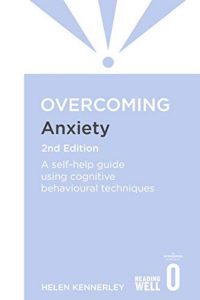
Overcoming Anxiety. My wife liked having something she could read at her own pace. A book can sit on the bedside table until you want it. Giving it as an optional resource feels very different from handing your partner homework.
A Final Word on What Depression Does to a Marriage
When I think about those two months I took away from work, I remember how much I wanted my being home to make life easier for my wife. Being available gave us time together. Learning how she wanted me to use that time was a different matter. Some days I could do the practical work. On others I needed to sit beside her without asking her to explain herself once more.
If you’re reading this as the person who is unwell, you may be tired of your relationship being discussed entirely in terms of what other people can do for you. You still get to say what you enjoy giving. Maybe you want to choose the film, make the coffee tomorrow or hear about your partner’s day without talking about pain first. You don’t have to earn that ordinary place in your own marriage.
And if you’re the partner, you can start with something you’ve noticed about the person you love that has nothing to do with managing illness. Ask about the book by the bed. Tell them the part of the day you wanted to share. Leave room for a short answer. There’s a particular comfort in being asked your opinion by someone who hasn’t forgotten you have one.
If you’d like to leave a comment, I’d love to hear what makes you feel listened to on a hard day. You’ll also find my free 130+ page eBook, You Did Nothing To Deserve This!, at the foot of this page.
Related Questions You May Be Asking About What Depression Does to a Marriage
Does feeling lonely mean I’ve stopped loving my partner?
You can miss an easy conversation, a shared joke or a bit of affection and still love the person beside you. Try naming the particular thing you miss. “I miss having breakfast with you” is easier to respond to than a judgement about the whole marriage.
What if I offer help and my partner says no?
For ordinary day-to-day support, let a no stand. You can leave the door open by asking whether another time would be better. If you’re worried about immediate safety, use the urgent help guidance above. Getting help in that situation is more than a question of finding the right words.
What if a better pain day doesn’t bring a better mood?
You can be relieved about your body and still feel low. You may also want to enjoy the extra energy without spending the day discussing your health. Try asking, “What would you like this easier afternoon to be for?” If low mood keeps getting in the way, make space to ask for help with it in its own right.
How can I explain what I need without sharing everything?
Choose the part your partner needs to know for the next hour. You might say, “Sitting at the table hurts tonight, but I would love your company on the sofa.” That gives them a way to be with you while leaving you in charge of what you share about your symptoms.
What can we try tonight?
Choose one thing small enough for the evening you actually have. It might be putting the kettle on, letting a difficult conversation wait until morning, or sitting together for five minutes. What I most wish I’d understood earlier is how often I already had something worth offering my wife before I thought of a single solution. I could give her time to finish her sentence. If you’re finding your way back to each other between flares, you’ll find more of our experience in my guide to endometriosis and relationships.
What Depression Does to a Marriage References
- https://www.nhs.uk/conditions/endometriosis/
- https://www.nhs.uk/mental-health/advice-for-life-situations-and-events/how-to-help-someone-with-depression/
- https://www.nice.org.uk/guidance/ng222/chapter/Recommendations#behavioural-couples-therapy-for-depression
- https://www.nhs.uk/nhs-services/mental-health-services/where-to-get-urgent-help-for-mental-health/


About Me
Hi, I’m Lucjan! The reason why I decided to create this blog was my beautiful wife, who experienced a lot of pain in life, but also the lack of information about endometriosis and fibromyalgia for men…
READ MORE
Grab a FREE eBook!
“You Did NOTHING To Deserve This!”
Finally hear the words nobody ever said to you, that your pain is real, your tears make sense, and you did nothing to deserve endometriosis, the dismissal, or the way it has rewritten your life.
