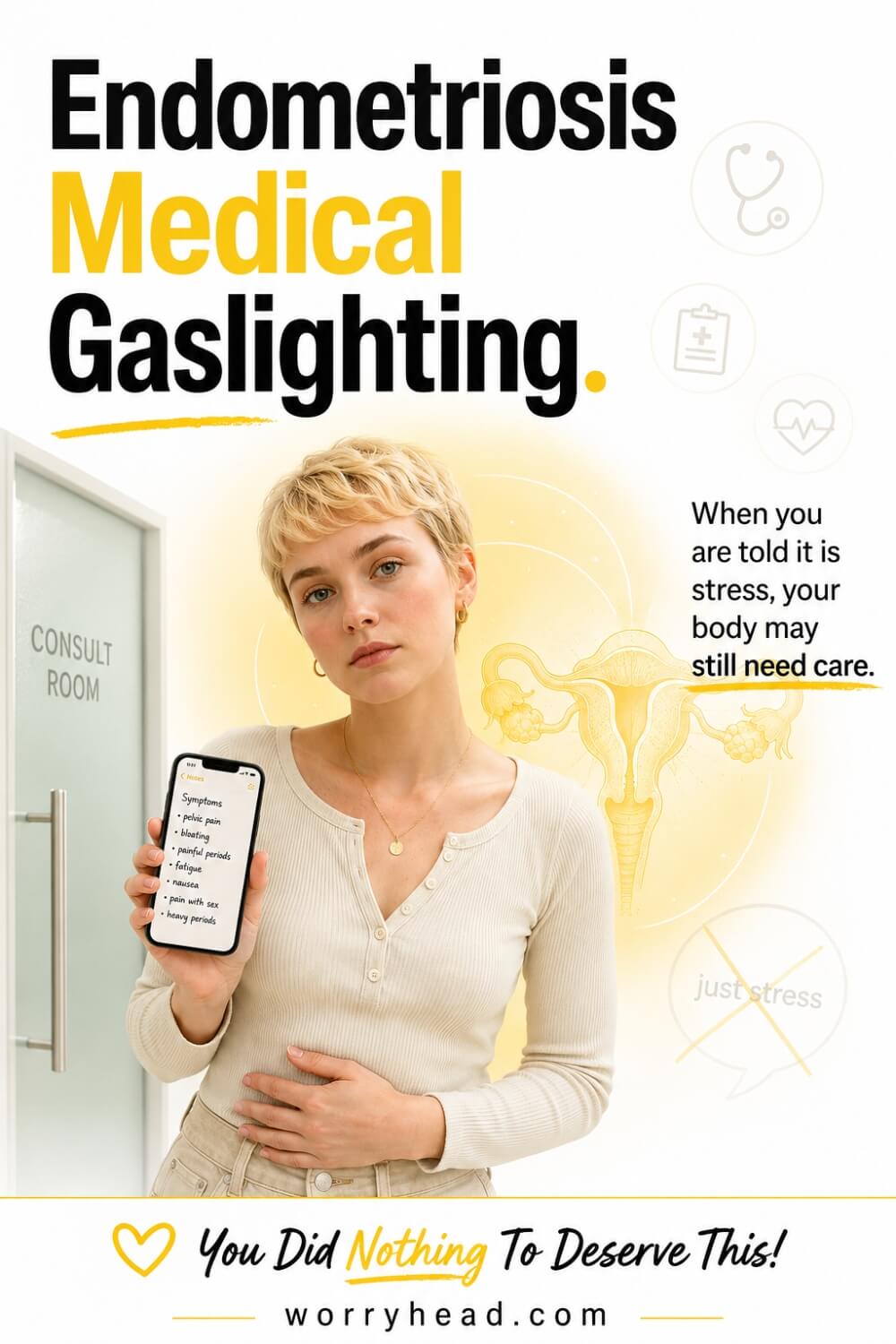
Endometriosis Medical Gaslighting
Have you ever left a doctor’s appointment wondering if your pain was real, even though your body had been screaming for help for years? You may have been shown a clear MRI or a normal ultrasound and told you definitely have no endometriosis… This is endometriosis medical gaslighting…
Endometriosis medical gaslighting happens when real symptoms like severe period pain, chronic pelvic pain, fatigue, bowel or bladder pain, or infertility worries are minimised, blamed on stress, or left under-investigated, delaying diagnosis and making you doubt yourself when you need care most.
I’m not a clinician, and I don’t pretend to be one; I write as a husband, blogger and researcher, with source links listed at the bottom of this article from WHO, NICE, NHS, ESHRE and published studies where I’ve checked medical context and health facts.
What hurts me the most is that this is not rare, and it is not just “a few bad appointments”. Endometriosis affects an estimated 10% of reproductive-age women worldwide, around 190 million people, yet so many still spend years being told their pain is normal, emotional, exaggerated, or just part of being female.
In the UK, where I live, the average time to diagnosis has risen to 9 years and 4 months, and 83% of respondents said they had been told by a healthcare practitioner that they were “making a fuss about nothing”, that symptoms were normal, or had experienced similar dismissal.
That is not just a delay on paper. That is nearly a decade of missed birthdays, cancelled plans, painful sex, work fear, fertility worry, A&E visits, and silently wondering whether your body or the world is the one lying to you. If you have ever wondered how to ask for an endometriosis referral without feeling difficult, you are not alone.
I’ve seen my wife come home from appointments with that quiet face, the one where she was trying to be strong but something inside her had been chipped away. And as her husband, I learned that the wound is not only the pain, fatigue, or flare. Sometimes the deepest wound is being forced to prove suffering that should have been believed the first time.
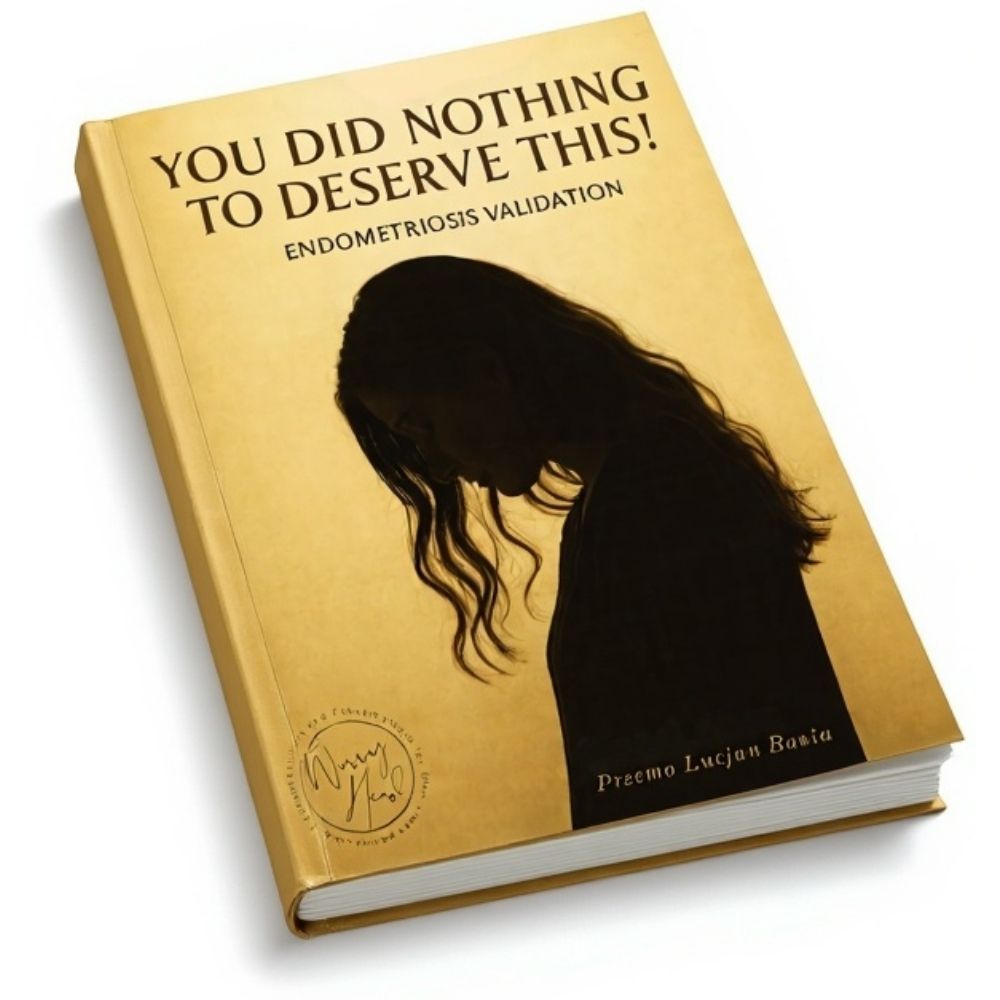
That is why I wrote “You Did Nothing To Deserve This!”, my free 130+ page eBook for women with endometriosis who need their feelings validated, not corrected.
When you grab it, you also join our community, where I share more freebies, big discounts on all our books, and honest support to help you and your partner adjust to the new normal chronic illness brings to your relationship and life.
The book is filled with 20 chapters of gentle validation for women with endo, written by me, as I have seen it up close…
- This Was Never Your Fault
- The Girl You Used To Be
- When Your Own Body Feels Like an Enemy
- The Invisible Battles Nobody Sees
- Am I Just Lazy? – The Lie You Have Been Taught
- Gaslighting, Dismissal and the Trauma of Not Being Believed
- Guilt: The Weight You Were Never Meant to Carry
- Love in the Middle of Pain
- Intimacy When Your Body Hurts
- The Loneliness of Being the Strong One
- You Are Allowed To Take Up Space
- Tiny, Gentle Hopes (Not Toxic Positivity)
- If You Could Hear My Voice Every Flare Day
- You Deserve Partners, Not Witnesses
- When You Wish He Understood
- Motherhood, Fertility and the Grief Nobody Sees
- When Anger Is the Only Honest Feeling
- Learning to Trust Your Body Again
- Building a Life That Fits Your Reality
- You Did Nothing To Deserve This
You Did NOTHING To Deserve This!
Endometriosis Validation for Women with Endo
- You Did NOTHING To Deserve This!
- Endometriosis Medical Gaslighting Quietly Changes the Way You Trust Your Body
- Why Endometriosis Medical Gaslighting Makes Healing Feel Lonely?
- How Endometriosis Medical Gaslighting Affects Love, Trust, and Everyday Life?
- When to Seek Medical Help?
- Questions to Ask Your Doctor
- Final Word on Endometriosis Medical Gaslighting
- FREE eBook
Endometriosis Medical Gaslighting Quietly Changes the Way You Trust Your Body
The cruelty of endometriosis medical gaslighting is that it does not always sound cruel at first; sometimes it sounds like “try the pill”, “periods hurt”, “you are stressed”, or “your scan is normal”, said in a room where she is already exhausted. When they say that period pain is normal, and you don’t know what to say, that is gaslighting, especially when you are told that endometriosis is just anxiety…
It can come from a GP, A&E clinician, gynaecologist, or a well-meaning professional who sees nothing obvious and forgets that normal examination or ultrasound findings do not rule out endometriosis.
Real warning signs can include severe period pain that affects daily life, chronic pelvic pain, deep pain during or after sex, painful bowel movements, cyclical bladder symptoms, and infertility concerns, all symptoms NICE says should make clinicians suspect endometriosis. But many women learn to shrink these symptoms because each appointment teaches them that being “too honest” might make them look dramatic.
That shrinking is dangerous, not because every symptom is an emergency, but because silence becomes a survival habit. After years of that, you begin to stop trusting doctors.
You stop saying “I cannot function” and start saying “I’m fine”, even when you are curled around a hot water bottle, counting minutes until painkillers might touch the edges of it. I have watched my wife do that soft, heartbreaking editing of her own suffering, as if her pain needed to sound polite before it deserved care.
The medical facts are not vague here!
WHO describes endometriosis as a chronic disease that can involve severe menstrual pain, heavy menstrual bleeding, chronic pelvic pain, infertility, bloating, nausea, painful sex, bowel or urinary symptoms, and mental health impacts. It also notes that diagnosis is often delayed, with average delays between 4 and 12 years, which means a woman can lose whole chapters of her life before someone finally joins the dots.
Again, in the UK, the average time from first GP visit with symptoms to diagnosis is over 9 years, and 83% of women reported dismissal or similar comments before diagnosis. That is why dismissal is not just poor bedside manner, but can delay referral, imaging, pain management, fertility conversations, work support, and the emotional relief of finally having a name for what is happening.
If you ever sat there wondering what to do when your pain is dismissed because you look fine, I would not blame you at all; my wife feels it too!
And when the pain affects sex, bowel movements, bladder symptoms, sleep, mood, and work, the damage spills far beyond one clinic room. It enters the relationship, the bedroom, the calendar, the bank account, and that secret place inside a woman where she wonders whether she is becoming “too much”.
In terms of the bladder endometriosis, you may have been told that endo bladder pain is just a UTI, even if burning, pressure, or urgency keeps returning around your period?
I want partners to understand this clearly: belief is not a romantic extra; it is part of care. When she is dismissed, your steady voice can help her remember details, track symptoms, ask for a referral, and hold the line when she is too tired to fight another battle alone.
And for the woman reading this, being calm does not make your pain less serious, and crying does not make your pain less credible. You do not have to perform illness perfectly to deserve investigation, comfort, and a plan.
If you, like my wife, had your endometriosis symptoms repeatedly minimised, normalised, blamed on anxiety, or left unexplored without clear reasoning, you may have experienced medical misogyny. And the worst part is when a doctor says that pain is just a part of being a woman… that’s absolutely crazy!
When my wife was doubted, I used to think my job was to cheer her up after the appointment; now I know my job is also to help protect her before the next one. I cannot take her disease away, and I will never pretend I can, but I can sit beside her, help document what happens, and remind her that her body is not the enemy.
The next tips are the things I wish every woman and every partner had before another appointment makes her feel small.
- Track symptoms without apologising
- Bring evidence, not permission
- Ask for clear next steps
- Take someone trusted with you
- Name the impact on life
- Challenge normal scan dismissal
- Request appropriate referral
- Protect your mental health
- Keep your own copy
Track Symptoms Without Apologising
Start writing things down as if your pain deserves evidence, because it does. Not because you need to prove you are telling the truth, but because a tired brain cannot always remember dates, patterns, bleeding changes, bowel pain, bladder symptoms, fatigue, nausea, pain during sex, or how many days were stolen from your month.
When my wife tried to explain everything from memory, appointments could swallow the details. A simple symptom diary can give you back control, especially when the room feels cold and rushed. Write what happened, when it happened, how severe it was, what helped, what did not, and what it stopped you from doing.
Do not soften the words to sound “reasonable”. If you missed work, say it. If you crawled to the bathroom, say it. If intimacy became painful, say it. Your body has been speaking for a long time, and this time, you are helping it be heard clearly.
Bring Evidence, Not Permission
There is a quiet shift that happens when you walk into an appointment with evidence instead of hoping someone gives you permission to be taken seriously. Bring your symptom diary, medication list, photos of bloating if you feel comfortable, dates of heavy bleeding, previous scan results, A&E notes, and anything that shows the pattern of pelvic pain over time.
I wish I had understood sooner that preparation is not difficult. It is self-protection. When my wife was exhausted, I learned to help organise her notes so she did not have to carry every detail in her head while also carrying the fear of being dismissed again.
You are not there to argue. You are there to make it harder for your suffering to be brushed aside as “just a bad period”. Evidence will not guarantee the perfect response, but it can keep the conversation focused, practical, and harder to reduce to stress or hormones alone.
Ask for Clear Next Steps
One of the most painful parts of being dismissed is leaving with no plan, just another prescription, another “come back if it gets worse”, or another vague promise that things might settle. Before the appointment ends, ask what the next step is, when it should happen, and what you should do if symptoms continue or worsen.
This matters because women with suspected endometriosis often get trapped in a loop. They explain, they wait, they try something, they are told to wait again, and months become years. A clear plan breaks that loop. It may include pain management, hormonal options, blood tests, imaging, physiotherapy, referral to gynaecology, or review after a set time.
As a partner, I learned not to sit there silently nodding when my wife looked defeated. Sometimes love sounds like, “Can we write down the plan before we leave?” It is gentle, but it protects her from walking out with only confusion in her hands.
Take Someone Trusted with You
There are appointments where having someone beside you changes the whole feeling of the room. Not because you are weak, but because medical dismissal can make even the strongest woman forget her own voice. A trusted person can help remember details, ask questions, take notes, and notice when you are being rushed past something important.
For me, sitting with my wife was never about speaking over her. It was about standing next to her pain so she did not have to hold it alone. There were moments when she looked at me, and I could see she was trying not to cry, trying not to sound “too emotional”, trying not to collapse under years of not being believed.
Bring someone who respects you, not someone who minimises you. They do not need to be loud. They need to be steady, calm, and brave enough to say, “She has told you this is affecting her life.” Sometimes one extra witness helps turn a lonely appointment into a safer one.
Name the Impact on Life
Doctors hear symptoms all day, but they also need to hear the impact. Pain is not only a number from one to ten. Pain is missing work, cancelling plans, avoiding sex, sleeping badly, bleeding through clothes, fearing the toilet, struggling to parent, losing confidence, or planning life around a cycle that behaves like a threat.
When my wife used to say “it hurts”, I could see how easily that sentence got swallowed. But when she explained what the pain took from her, the picture became harder to ignore. It was not just pelvic pain. It was her freedom, her femininity, her peace, her energy, and sometimes the small, ordinary joys people do not appreciate until illness steals them.
So say the real thing. “I cannot function during my period.” “I am scared of intimacy.” “I am missing work.” “I am mentally exhausted.” You are not being dramatic. You are showing the full cost of symptoms that have been too neatly filed under “normal”.

Challenge Normal Scan Dismissal
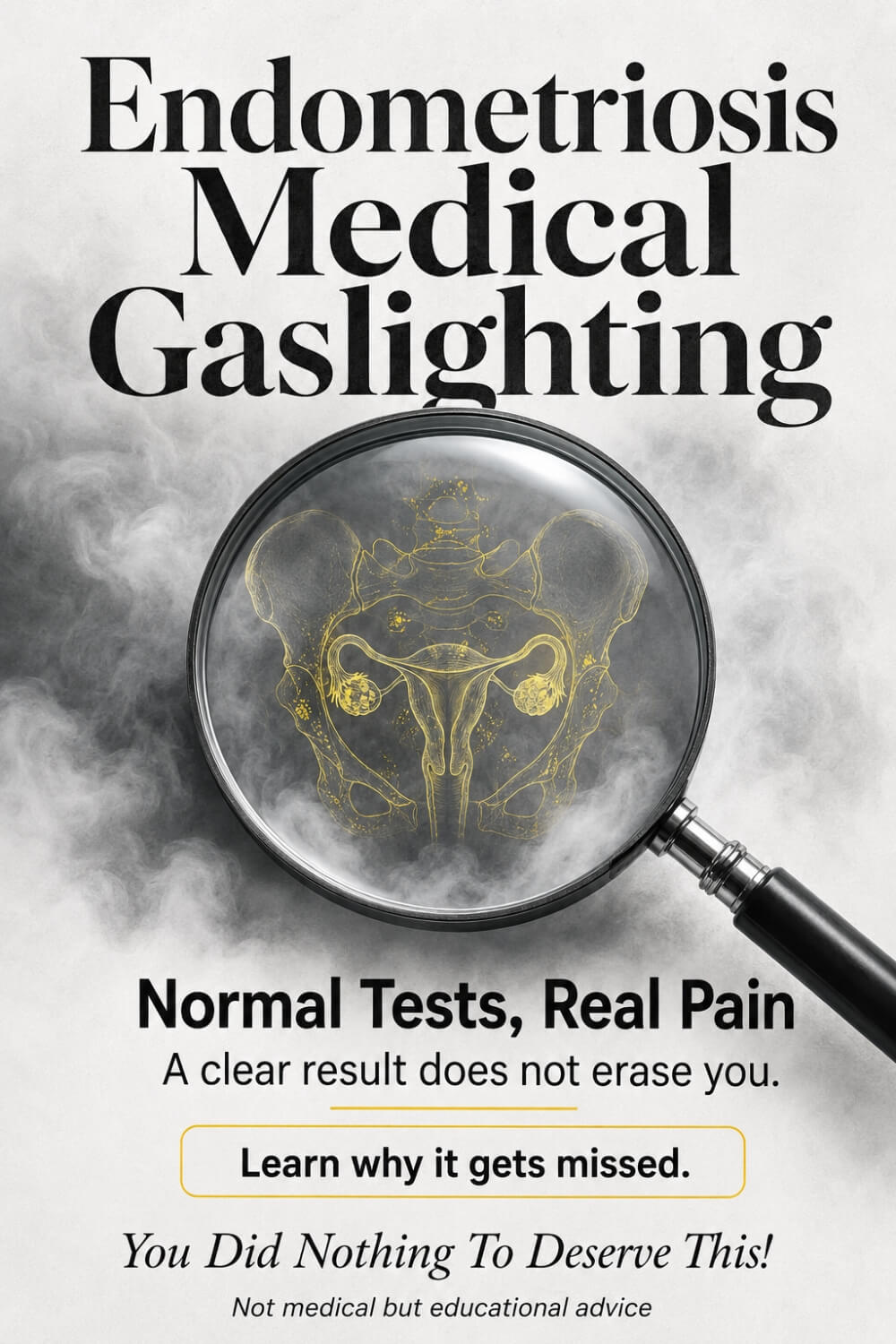
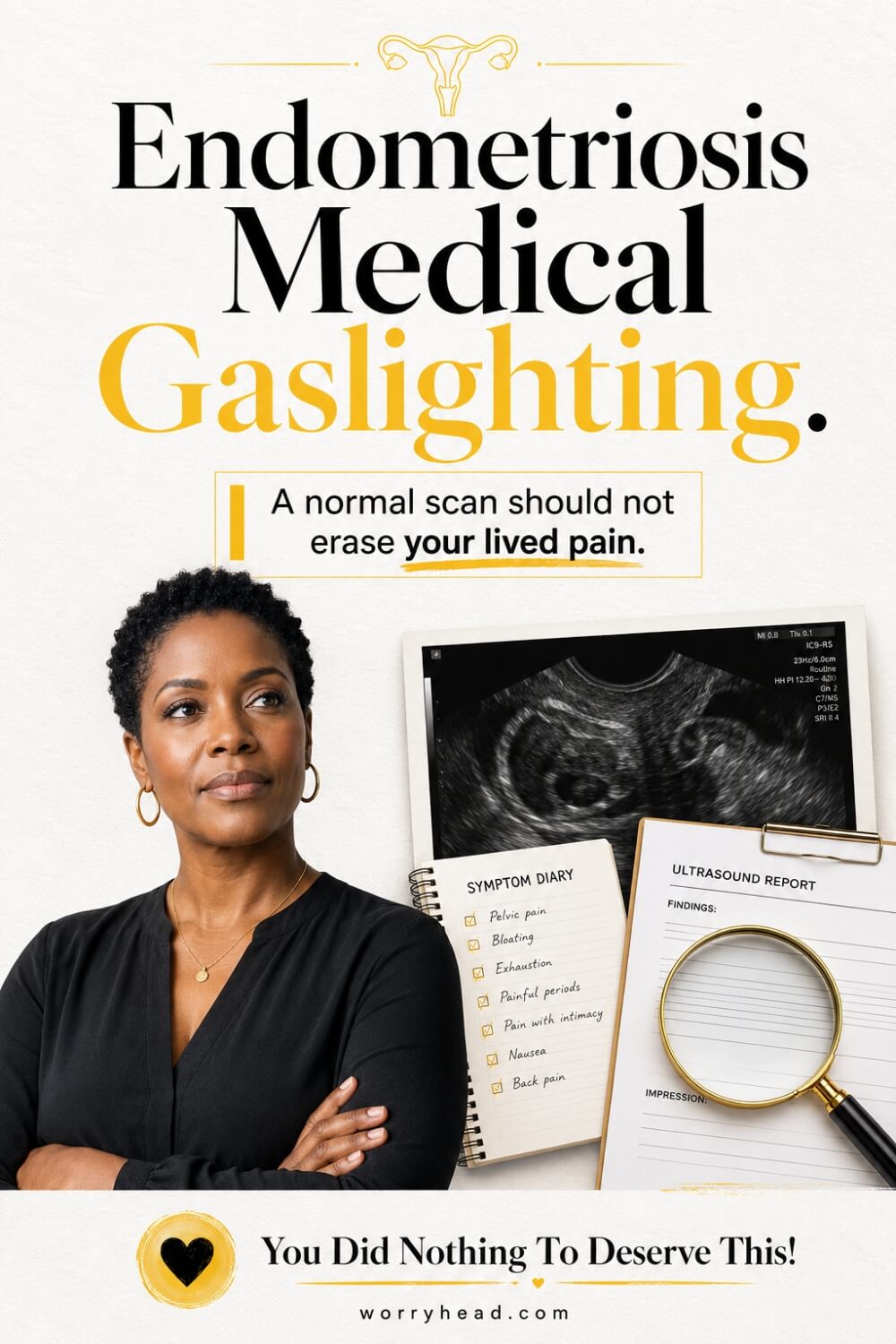
A normal scan can feel like a door closing in your face, especially when someone says it as if it proves nothing is wrong. But many people with endometriosis know the heartbreak of being told tests look fine while their body still feels like a battlefield. A scan can be useful, but it does not always detect every type of disease.
This is where you may need to ask calmly, “Does this result rule out endometriosis, or do my symptoms still need further assessment?”
That one question can change the direction of the conversation. It reminds the clinician that your lived experience has not disappeared just because one test did not show a clear answer.
I remember the quiet after appointments where my wife had hoped for proof and came away with doubt instead. Please do not let a normal result make you abandon yourself. Relief needs answers, but care should not depend only on whether your pain photographs well on a screen.
Request Appropriate Referral
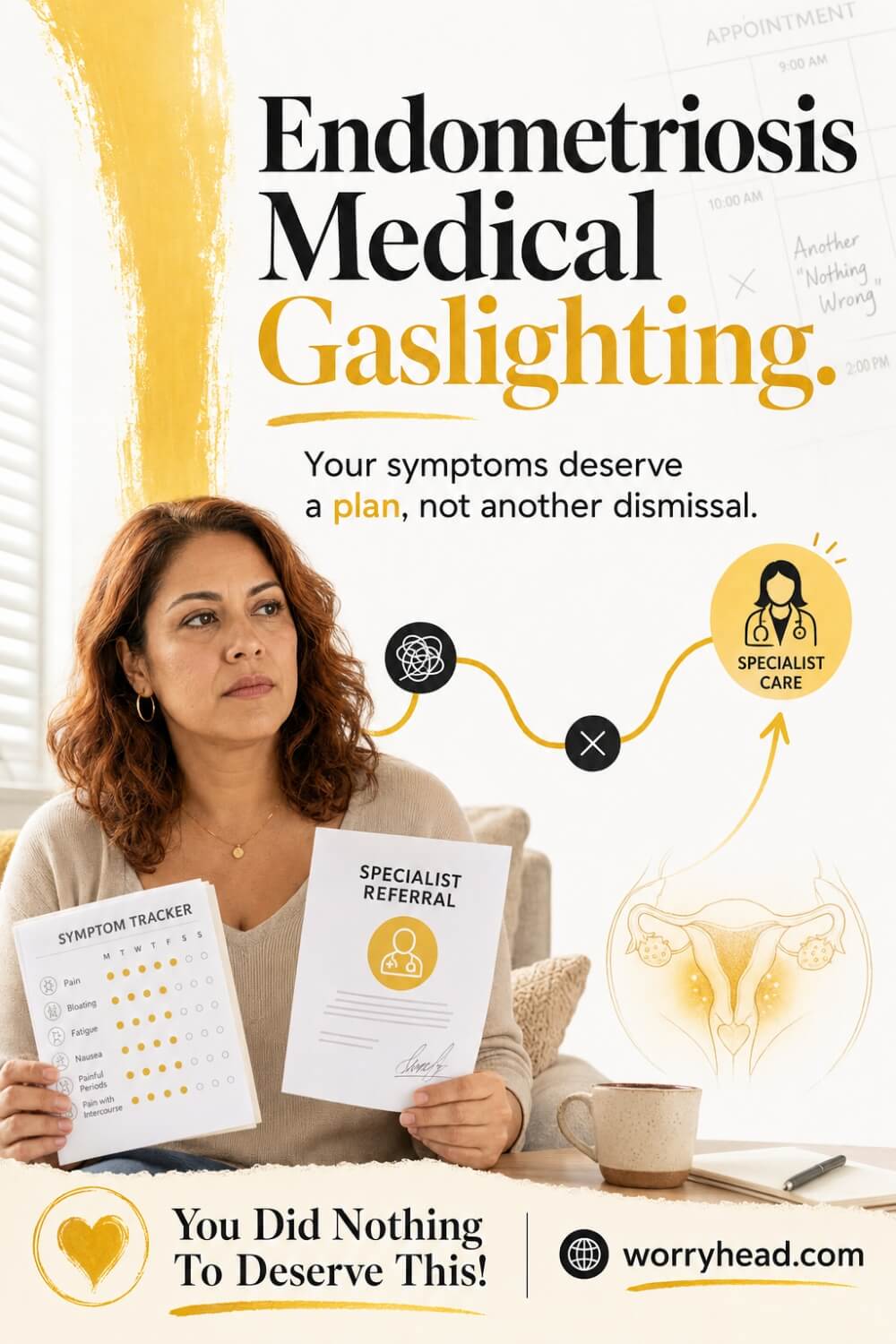
There comes a point where repeating the same conversation is not enough. If symptoms are persistent, severe, cyclical, affecting daily life, or linked with sex, bowel, bladder, fertility, or chronic pelvic pain, it is reasonable to ask about referral to someone with experience in endometriosis care.
You do not have to demand it angrily. You can say, “Given how long this has been affecting me, can we discuss referral to gynaecology or an endometriosis specialist service?” That sentence is not rude. It is responsible. It tells the room that you are not willing to keep living in uncertainty without a proper pathway.
As her husband, I learned that support sometimes means helping my wife ask the question she is too tired to ask again. Not pushing her, not taking over, but reminding her that she is allowed to want more than survival. She is allowed to want answers, treatment options, and a life that is not constantly interrupted by pain.
Protect Your Mental Health
Being dismissed medically does something to your mind. It can make you anxious before appointments, angry after them, ashamed of needing help, or afraid that nobody will ever understand. When symptoms are real but repeatedly minimised, the emotional damage can become almost as heavy as the physical pain.
Please do not blame yourself for feeling worn down. Years of pelvic pain, fatigue, uncertainty, painful intimacy, fertility fears, and being told “nothing is wrong” can leave deep marks. It can make you doubt your memory, your body, your strength, and even your worth. That is not a weakness. That is what happens when suffering is left unsupported for too long.
I saw my wife carry pain in her body and disappointment in her eyes, and I learned that love must include emotional safety. Talk to someone safe. Ask for mental health support if you need it. Let your partner know what helps. You deserve care for the part of you that kept going when nobody clapped for your bravery.
Keep Your Own Copy
Keep copies of letters, scan reports, test results, discharge notes, medication changes, referral requests, and appointment summaries. It may sound boring, but having your own folder can save you from repeating years of history every time you meet someone new. It also helps when details get lost between clinics, departments, or rushed appointments.
I learnt this through my wife’s journey: the person living with the illness often becomes the only consistent thread in the system. That should not be your burden, but having your own records can make you feel less powerless. It gives you something solid when memory is tired and emotions are high.
Keep it simple. A paper folder, phone folder, or printed timeline can be enough. Include dates, names, symptoms discussed, what was offered, and what was refused or delayed. This is not about becoming obsessive. It is about refusing to let your story be scattered when your health, your dignity, and your future deserve to be held together.
Why Endometriosis Medical Gaslighting Makes Healing Feel Lonely?
Endometriosis medical gaslighting does something cruel to a woman before treatment even begins: it teaches her to enter care already defending herself. One example would be a doctor telling you that pregnancy cures endo, which is a myth and a lie. You know it is not true, but the doctor has a title and thinks he knows best!
There is a big difference between a clinician saying, “I do not have the full answer yet,” and making her feel that her pain is too messy, too emotional, or too inconvenient to investigate. Good medicine can be honest about uncertainty without making a patient feel like the problem is her personality.
NICE guidance is clear that endometriosis should not be excluded just because an abdominal or pelvic examination or ultrasound is normal, so when a woman is sent away with “nothing showed up” as if that ends the conversation, something important has been missed.
ESHRE also says diagnostic routes and treatment options should be discussed with the patient, which matters because shared decisions restore some dignity to a body that has already taken so much. A woman should not have to become a medical detective just to be believed, but many do because the average diagnostic delay is still measured in years, not weeks.
I have seen my wife come home not only sore, but quieter, and that quietness frightened me more than the pain sometimes. Pain made her tired, but dismissal made her disappear into herself. She would say, “Maybe I explained it wrong,” and I would hear the heartbreaking translation: “Maybe they would have cared if I had been easier to understand.”
That is where partners have to wake up. Not to storm into every room, not to turn love into control, but to become a safe witness when the world keeps asking her to make suffering smaller. When she doubts herself after a bad appointment, do not rush to fix it; sit close enough that she remembers she is not going mad.
The truth is, validation does not cure endometriosis, but the absence of it can deepen the wound. A woman who is believed can still be in pain, but she does not have to carry the shame of pain alone. And from where I stand as her husband, loving her properly means repeating one thing until it reaches the part of her that medicine bruised: your pain matters, your memory matters, and your life is worth fighting for even on the days you are too tired to fight.
How Endometriosis Medical Gaslighting Affects Love, Trust, and Everyday Life?
After years of being doubted, endometriosis medical gaslighting does not stay in the clinic.
It follows her into the car, the bedroom, the sofa, the workplace, and the quiet moments where she wonders whether she is becoming a burden. It changes how she speaks about pain because she learns to edit the truth before anyone else can reject it. It changes how she plans a normal day because hope starts to feel risky when her body and the system have both let her down before.
I see it in the small things my wife does, not only the big flares. She can be doubled over and still apologise for ruining plans, as if pain is bad manners. That kind of guilt breaks my heart because I know she did not choose any of this.
It affects me too, but not in the same way, and I think partners need to be honest about that. I do not live in her body, I do not bleed through her fear, and I do not carry the same medical trauma, but I do carry the responsibility of not becoming another person who makes her explain herself twice. My role is not to rescue her like some hero; my role is to believe her, learn with her, help her prepare, and stay soft when life gets hard.
It affects us as a couple because chronic illness can make love practical in ways nobody writes songs about. Love becomes filling the hot water bottle, remembering medication times, cancelling plans without resentment, sitting outside consultation rooms, and holding her afterwards when the appointment stole more from her than it gave.
And still, even there, in the middle of pain and unfairness, I have found something beautiful: when a woman has been dismissed by the world, being consistently believed at home can feel like breathing again.

When to Seek Medical Help?
Please do not wait until your pain looks dramatic enough for someone else to approve it. If you think you might have endometriosis, your symptoms are affecting your everyday life, work, relationship, sex life, sleep, mood, toilet habits, or ability to function, that is already a valid reason to speak to your GP. The NHS also advises seeing a GP if you think you may have endometriosis, if symptoms affect daily life, work or relationships, or if treatment from a GP is not helping or symptoms get worse.
I know how easily women are trained to say, “It’s not that bad.” I have watched my wife minimise pain because being dismissed too many times can make you start dismissing yourself first. But needing help does not mean you are weak, dramatic, or unable to cope. It means your body is asking for care, and you are allowed to answer it.
Book an appointment if you have severe period pain that stops normal life, chronic pelvic pain, deep pain during or after sex, painful bowel movements around your period, pain when you pee, heavy bleeding, fatigue that feels crushing, bloating that keeps coming back, or symptoms that follow a monthly pattern.
NICE says clinicians should suspect endometriosis when symptoms include chronic pelvic pain, period pain affecting daily activities and quality of life, deep pain during or after sex, cyclical bowel symptoms, cyclical urinary symptoms, or infertility.
Please also seek help again if you were already told your scan was normal, but your symptoms are still affecting your life. A normal ultrasound can be useful, but it should not be used like a full stop when your body is still telling a painful story.
NICE recommends ultrasound for suspected endometriosis even if examination is normal, and referral for further investigation when symptoms have a detrimental impact, keep returning, or initial treatment is not working or cannot be tolerated.
There are also times when pelvic pain needs urgent help, not because you should panic, but because some symptoms need quicker checking. NHS advice says to get urgent help through NHS 111 if pelvic pain comes with difficulty peeing or pooing, blood in pee or poo, unusual vaginal discharge or bleeding, pain when peeing, a very high temperature or shivering, sickness with vomiting or diarrhoea, or if you are pregnant or may be pregnant.
Call 999 or go to A&E if pelvic pain is severe, getting worse, hurts when you move or touch the area, or comes with faintness, dizziness, shoulder-tip pain, breathing difficulty, heavy vaginal bleeding, or sudden confusion. I say this calmly, not to frighten you, but because women who have been dismissed often wait too long while trying to be “reasonable”.
And partners, this is where we must stop being passive. If she says something feels wrong, believe her before the world has another chance to make her doubt herself. Offer to help write symptoms down, sit with her while she calls, drive her if needed, and remind her that asking for medical help is not making a fuss. It is protecting her life, her dignity, and the future you both still deserve.
Questions to Ask Your Doctor
Walking into an appointment after being dismissed can feel like stepping into a room where you already have to defend your pain. I want you to go in with calmer shoulders if you can, not because the system has always been kind, but because preparation can give you a little bit of power back.
NICE says keeping a pain and symptom diary can help discussions with clinicians, and I honestly believe that one simple habit can stop your story being reduced to one rushed sentence.
You do not need to ask every question below in one appointment. Choose the ones that match your situation, write them down, and take someone with you if you feel safer that way.
Based on my symptoms, do you suspect endometriosis, and why or why not?
This question invites the doctor to think clearly instead of brushing symptoms aside. It also gives you something specific to document if they say they do not suspect it.
Can we go through how my symptoms affect daily life, work, sex, sleep, mood, and relationships?
Sometimes the word “pain” is not enough. The impact matters, and NICE specifically recognises symptoms that affect daily activities and quality of life.
Does a normal examination or scan rule out endometriosis in my case?
This is a powerful question because many women are wrongly made to feel that a normal result means the conversation is over. NICE guidance supports further thinking and referral when symptoms persist, affect life, or treatment is not helping.
What are my options for pain relief, and how long should we try them before reviewing?
NICE recommends discussing the benefits and risks of pain medicines, and considering other pain management or referral if a short trial does not give enough relief.
Are hormonal treatments suitable for me, especially if I am trying to conceive or may want children later?
This is important because some treatments may not be suitable when someone is trying to get pregnant. NICE says hormonal treatment can reduce endometriosis pain and has no permanent negative effect on later fertility, but individual circumstances matter.
Should I be referred to a gynaecology or an endometriosis specialist service?
Ask this if your symptoms are severe, persistent, returning, affecting life, or not improving with initial treatment. The NHS says very severe symptoms or treatment that is not working may lead to referral to a specialist endometriosis service.
Could my bowel, bladder, or painful sex symptoms be connected to endometriosis?
This helps stop the appointment becoming only about periods. Endometriosis can involve pelvic pain, pain during or after sex, pain when peeing or pooing, fatigue, fertility difficulty, low mood and anxiety.
What should I do if symptoms worsen before my next appointment?
Do not leave without a safety plan. Ask who to contact, when to seek urgent help, and what symptoms should not be ignored.
Can you write down the plan, including review dates and referral steps?
This is not being demanding. This is making sure you do not walk out carrying another vague “see how it goes” when your life has already been on hold for too long.
As a husband, I wish I had known earlier that good support is not only holding her hand after bad news. It is helping her ask the question she was too tired to ask, helping her remember what was said, and making sure she does not leave another room believing she failed to explain pain that should never have needed a performance.
Final Word on Endometriosis Medical Gaslighting
I wish I could end this article by saying that being believed is enough. It is not. Belief does not remove lesions, calm every flare, fix fertility fears, or give back the years a woman lost being told her pain was normal. But belief is still where healing begins, because without it she is left fighting two battles at once: the disease in her body and the doubt placed in her mind.
Endometriosis medical gaslighting steals more than time. It steals confidence, language, intimacy, trust, and sometimes the courage to book the next appointment. I have seen how one careless sentence from a professional can echo for weeks in my wife’s eyes. I have also seen how one gentle, steady sentence at home can help her breathe again: “I believe you.”
That sentence sounds small until you live beside someone who has been dismissed. Then it becomes protection. It becomes a hand on her back while she explains symptoms she should not have to defend. It becomes notes written before an appointment, a lift to the clinic, a reminder that a normal scan does not make her pain imaginary, and a calm voice when she has run out of strength.
For women reading this, I want you to hear something clearly. You are not hard to love because your body hurts. You are not less of a woman because pain changed sex, plans, energy, bleeding, digestion, mood, or the way you see yourself. You are not dramatic because you want answers. You are not weak because being ignored broke something inside you. You are a woman who has carried far too much, often with far too little support.
And for partners, especially men like me, please understand that support is not only about doing the obvious tasks. It is about learning the illness, listening without rushing, not taking cancelled plans personally, and refusing to let her feel alone in a room full of uncertainty. It is about becoming the safest person she knows, not by having perfect words, but by showing up consistently when life becomes heavy.
My wife taught me that love inside chronic illness is not loud. It is quiet, repeated, practical, and patient. It is making tea she may not drink, saving energy she may not have, protecting peace she cannot always find, and never making her pain compete with your inconvenience.
So if you have been dismissed, please do not let that become the final authority over your body. Keep records. Ask questions. Seek another opinion when needed.
Bring someone safe. Say the full impact out loud. Your pain deserves care, your story deserves respect, and your life deserves more than survival between appointments. There may still be difficult consultations, confusing choices, long waits, and days when hope feels tired, but you are allowed to keep asking for care without apologising for needing it.
You did nothing to deserve this. And you should never have been made to feel you did. Not then, not now, not ever again.
Please keep going, even if your voice shakes. Being dismissed can make you doubt yourself, but it does not make your pain less real. You deserve answers, kindness, and support that stays beside you, not only when you are strong, but when you are tired of proving what your body already knows. You are not too much.
Leave a comment below if this touched something in you, and check out the FREE chapter of my eBook at the bottom of this post. I wrote it for women who need to feel believed, held, and reminded that none of this is their fault.


About Me
Hi, I’m Lucjan! The reason why I decided to create this blog was my beautiful wife, who experienced a lot of pain in life, but also the lack of information about endometriosis and fibromyalgia for men…
READ MORE
Grab a FREE eBook!
“You Did NOTHING To Deserve This!”
Finally hear the words nobody ever said to you, that your pain is real, your tears make sense, and you did nothing to deserve endometriosis, the dismissal, or the way it has rewritten your life.
Related Questions You May Be Asking About Endometriosis Medical Gaslighting
- Can Medical Gaslighting Make Endometriosis Symptoms Feel Worse?
Yes, it can make the whole experience feel heavier, even if it does not directly create the disease. When you are dismissed, your nervous system can stay on alert, your stress rises, and you may delay seeking help again. That can leave you coping longer without proper support, pain management, referral, or answers. - Is It Still Endometriosis If My Scan Is Normal?
Yes, it still can be. A normal scan does not always rule out endometriosis, especially when symptoms strongly fit the pattern. NICE guidance says clinicians should still consider further assessment, including laparoscopy in some cases, even if ultrasound or MRI is normal. - Why Do Doctors Sometimes Dismiss Endometriosis Pain?
Sometimes it happens because endometriosis symptoms overlap with bowel, bladder, hormonal, pelvic floor, and stress-related conditions. Sometimes it happens because period pain has been wrongly normalised for generations. That does not make the dismissal acceptable. Your pain deserves proper listening, careful history-taking, and a plan that looks at your whole life. - How Can I Explain My Pain Better at Appointments?
Try to describe impact, not only sensation. Say what the pain stops you from doing: work, sleep, sex, walking, eating, parenting, social life, or basic daily tasks. Bring dates, symptom patterns, bleeding changes, bowel or bladder symptoms, and medication history. You should not have to perform pain perfectly, but clear details can protect your voice. - Should I Ask For A Second Opinion?
Yes, if you feel unheard, your symptoms are worsening, treatment is not helping, or you keep being told everything is normal while your life is still being affected. Asking for another opinion is not being difficult. It is a reasonable step when your body keeps asking for care, and you have not received a clear explanation. - How Can My Partner Help After I’ve Been Dismissed?
A good partner can believe you first, help write symptoms down, attend appointments if you want them there, remember what was said, and gently remind you that being dismissed does not mean you were wrong. I learnt this with my wife: sometimes love is simply becoming the safe place where she does not have to prove pain.
Endometriosis Medical Gaslighting References
- https://www.who.int/news-room/fact-sheets/detail/endometriosis
- https://www.nice.org.uk/guidance/ng73/chapter/recommendations
- https://www.nice.org.uk/guidance/ng73/resources/visual-summary-on-first-presentation-initial-management-diagnosis-referral-and-ongoing-care-of-pdf-13559822461
- https://www.eshre.eu/-/media/sitecore-files/Guidelines/Endometriosis/ESHRE-GUIDELINE-ENDOMETRIOSIS-2022_2.pdf
- https://www.nhs.uk/conditions/endometriosis/
- https://www.nhs.uk/symptoms/pelvic-pain/
- https://www.endometriosis-uk.org/sites/default/files/2026-02/Endometriosis%20-%20The%20State%20of%20Endometriosis%20Care%20Report.pdf
