Can Endometriosis Cause Divorce?
Have you ever wondered whether endo can quietly push your loving relationship toward divorce, even when both of you still care deeply for each other? Can endometriosis cause divorce is a question many women ask in silence when pain, exhaustion, guilt, intimacy struggles, and emotional distance begin to sit between them and the person they love.
I wrote a lot of articles on this topic, including one on why endometriosis destroys marriages, because my wife asked me many times to divorce her due to the strain endo has put on our marriage since we tied the knot. I refused, every single time. I knew it wasn’t her fault, even though she felt like a burden.
If you have ever blamed yourself for being “too much,” too tired, too sore, too emotional, or too hard to love, I want you to pause here because this is not your fault.
Endometriosis does not directly cause divorce, but it can increase relationship strain through chronic pain, painful sex, fatigue, fertility grief, medical stress, money pressure, and emotional distance. With belief, communication, pacing, and support, many couples stay close and even stronger.
I am not a clinician, but I write as a husband, blogger, and researcher who has spent years learning beside my wife, and at the bottom of this article, I have attached the sources I used to understand the medical and relationship context, including WHO, NICE, NHS, ESHRE, and medical studies.
What often surprises people is that endometriosis is not only about periods, pelvic pain, or surgery. It can reach into sleep, work, money, sex, fertility, self-worth, communication, and the tiny daily rituals that keep a couple feeling like a team.
And because much of that suffering is invisible, the relationship can start hurting long before anyone names what is happening. One person may feel rejected, the other may feel guilty, and both may feel lonely in the same room.
I have seen how this kind of pain changes the atmosphere of a home. My wife did not choose the flare-ups, the fear, the cancelled plans, the intimacy grief, or the emotional weight that came with endometriosis, and I had to learn that loving her properly meant believing the pain I could not see.
That learning did not happen overnight. It came through mistakes, tears, silence, apologies, and the slow understanding that a woman with endometriosis does not need to be pressured back into the woman she used to be; she needs to be loved safely as the woman she is now.
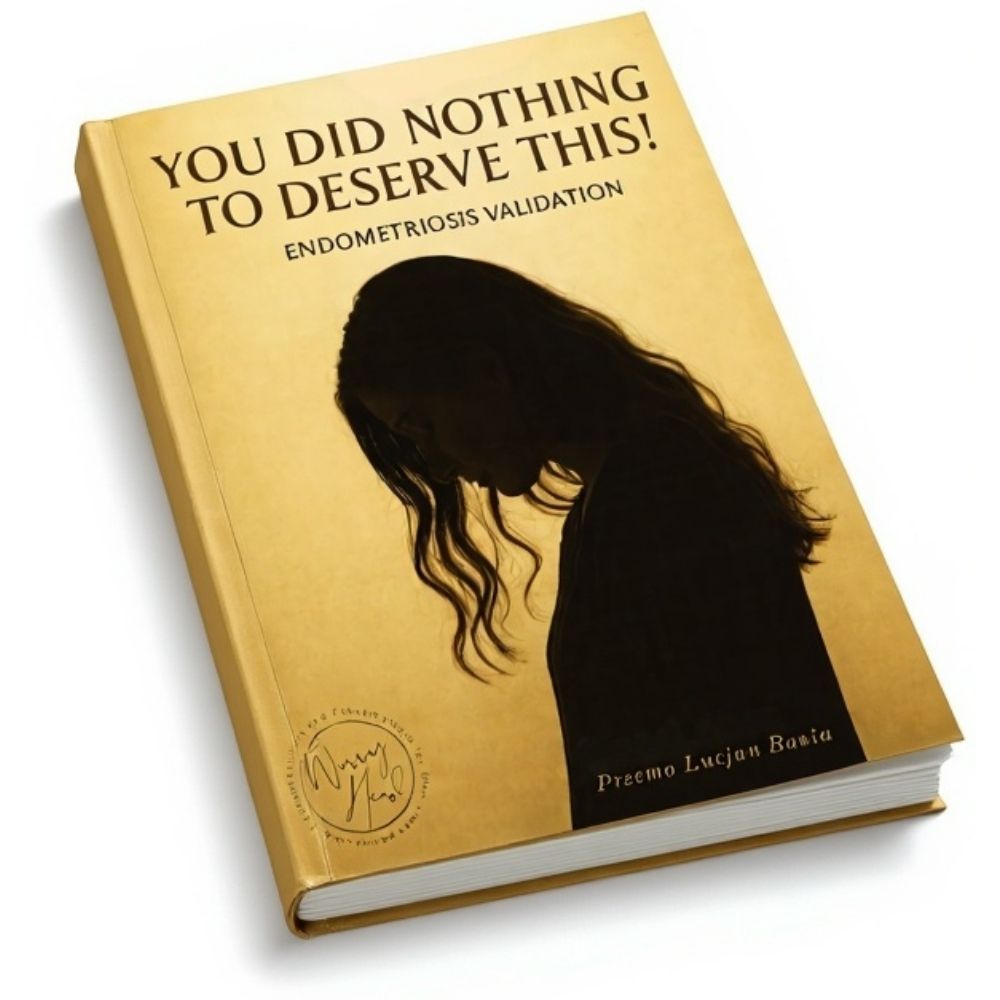
If this already feels close to your heart, you can grab my free 130+ page eBook, “You Did Nothing To Deserve This!”, written to validate the feelings of women with endometriosis who have been dismissed, blamed, or made to feel broken. When you grab it, you also join our Worry Head community, where I share more freebies, big discounts on our books, and honest, gentle emails to help you adjust to the new normal chronic illness can bring to your body, relationship, and life.
The book is filled with 20 chapters of gentle validation for women with endo, written by yours truly, as I have seen it up close. It is not a medical guide but a human one, and here is what you will find inside:
- This Was Never Your Fault
- The Girl You Used To Be
- When Your Own Body Feels Like an Enemy
- The Invisible Battles Nobody Sees
- Am I Just Lazy? – The Lie You Have Been Taught
- Gaslighting, Dismissal and the Trauma of Not Being Believed
- Guilt: The Weight You Were Never Meant to Carry
- Love in the Middle of Pain
- Intimacy When Your Body Hurts
- The Loneliness of Being the Strong One
- You Are Allowed To Take Up Space
- Tiny, Gentle Hopes (Not Toxic Positivity)
- If You Could Hear My Voice Every Flare Day
- You Deserve Partners, Not Witnesses
- When You Wish He Understood
- Motherhood, Fertility and the Grief Nobody Sees
- When Anger Is the Only Honest Feeling
- Learning to Trust Your Body Again
- Building a Life That Fits Your Reality
- You Did Nothing To Deserve This
You Did NOTHING To Deserve This!
Endometriosis Validation for Women with Endo
How Can Endometriosis Cause Divorce In a Relationship?
When someone asks can endometriosis cause divorce, I think the honest answer begins with this: it is rarely one single argument, one bad day, or one missed moment of intimacy that breaks a couple. It is usually the slow build-up of pain, fear, silence, misunderstanding, guilt, and exhaustion that neither person was properly prepared for.
Endometriosis can change the rhythm of a relationship because it often changes the rhythm of life itself. Plans become uncertain, sex may become painful, energy becomes limited, and even ordinary days can depend on symptoms that arrive without permission.
A woman may start saying no to things she used to enjoy, not because she stopped loving her partner, but because her body keeps making promises her pain will not let her keep. A partner may feel confused or rejected if he does not understand what is happening inside her body, especially when the illness is invisible from the outside.
This is where many couples begin to drift, not because love disappears, but because both people start protecting themselves in different ways. She may protect herself by withdrawing, resting, avoiding touch, or hiding how bad it really feels.
He may protect himself by becoming quiet, frustrated, overly practical, or emotionally distant because he does not know how to fix something he cannot fix. If nobody teaches the couple how to speak about pain, intimacy, fear, money, fertility, and grief, the silence can become louder than the love.
Painful sex can be especially hard because it touches the most vulnerable part of a relationship. When deep pain during sex happens again and again, a woman may feel broken, guilty, unattractive, or afraid of disappointing the person she loves. If that is you, I wrote a piece on how to survive a sexless marriage with endometriosis, which you may find useful.
The man may feel unwanted, confused, ashamed of having needs, or scared to initiate anything in case he hurts her. Without gentle communication, both people can start carrying private stories that are not fully true.
She may think, “I am ruining this relationship.” He may think, “She does not want me anymore.” In reality, the enemy is often not the couple at all, but the disease, the pain, the lack of support, and the years of not being properly believed.
Endometriosis can also bring financial stress, especially when work becomes difficult, appointments pile up, treatments cost money, or one partner has to take on more practical responsibility. Money stress does not need to be huge to become heavy.
It can show up in small ways, like worrying about sick pay, transport to appointments, cancelled plans, lost income, medication costs, or the guilt of needing help again. Over time, even strong couples can become tired if every area of life feels like it is being negotiated around pain.
Fertility worries can add another layer of grief, even for couples who are not trying for a baby right now. The fear of losing choices, losing time, or losing the future you imagined together can sit quietly underneath everyday conversations.
And then there is the emotional part that people rarely talk about. Being in chronic pain can make a woman feel like her body has become unreliable, and watching the woman you love suffer can make a man feel helpless in a way that bruises his pride and breaks his heart at the same time.
I have had moments with my wife where I did not know what to say, so I said too little. I have had moments where I wanted to make things better so badly that I forgot she did not need rescuing first. She needed to feel safe, believed, and chosen.
That is why the next part matters so much. Because divorce rates are high within endo couples, and divorce is not prevented by pretending that endometriosis is small, it is prevented by learning how to love through the parts nobody prepared you for.
The most useful places to begin are these:
- Believe Her Pain Before Fixing It
- Separate The Disease From Love
- Talk About Sex Without Pressure
- Protect Rest Without Guilt
- Share The Practical Load
- Name The Hidden Grief
- Build A New Normal Together
- Get Support Before Crisis
- Keep Choosing Each Other Gently
Believe Her Pain Before Fixing It
One of the first things I learned, and I wish I had learned it sooner, is that belief must come before advice. When a woman with endometriosis says she is in pain, she is not inviting a debate, a checklist, or a test of how much pain she can prove. She is opening a door into a part of her life that is already exhausting enough.
Many women have spent years being dismissed by doctors, employers, friends, family, and sometimes even partners. So when the man she loves responds with doubt, impatience, or a quick “have you tried this?” it can hurt more deeply than he realises. Not because he is evil, but because she needed safety first.
I had to learn that my wife did not always need me to solve the flare-up. Sometimes she needed me to sit beside her, soften my voice, and say, “I believe you.” Those words do not cure endometriosis, but they can stop a woman from feeling alone inside it.
Separate the Disease From Love
Endometriosis can make a relationship feel personal when it is not personal. A cancelled plan can feel like rejection. A night without intimacy can feel like distance. A quiet day can feel like emotional withdrawal. But very often, what looks like a relationship problem is actually a pain problem wearing the mask of one.
This distinction matters because couples can start fighting each other when they should be fighting for each other against the disease. She may pull away because her body is screaming, not because her heart has gone cold. He may feel hurt because he misses closeness, not because he wants to pressure her.
I had to remind myself many times that my wife was not choosing pain over me. She was trying to survive a body that kept interrupting her life. When a couple learns to say, “This is the illness affecting us,” instead of “You are doing this to me,” the whole emotional temperature changes.
Talk About Sex Without Pressure
Painful sex can quietly become one of the most heartbreaking parts of endometriosis and relationships. It is not just about the physical act. It is about fear, closeness, guilt, rejection, shame, longing, and the grief of missing something that once felt natural.
A woman may avoid intimacy because she is scared of pain, not because she does not desire love. She may freeze, tense, cry, or pull away because her body remembers what hurt before. If her partner reacts with frustration, silence, or wounded pride, she may begin to feel like her pain has made her less lovable.
The most loving thing a man can do is remove pressure without removing affection. Touch should not always be a question that leads to sex. A kiss should not feel like a contract. Holding her should not make her wonder what will be expected next. When safety returns, closeness has a chance to breathe again.
Protect Rest Without Guilt
Rest is not laziness when a body is living with chronic inflammation, pain, fatigue, bleeding, poor sleep, or even recovery from treatment. But many women with endometriosis still feel guilty for needing it. They may apologise for lying down, cancelling plans, leaving chores, or not being able to “push through” like they once did.
That guilt can become dangerous inside a relationship because she may start measuring her worth by productivity. If she can’t cook, clean, work, parent, socialise, or be intimate the way she used to, she may feel like a burden. And no woman should have to earn love by exhausting herself.
As a partner, I had to learn that protecting my wife’s rest was part of loving her. Not in a controlling way, but in a caring way. Sometimes love is not a big speech. Sometimes love is saying, “Go and lie down, I’ll handle this,” without making her feel small for needing help.
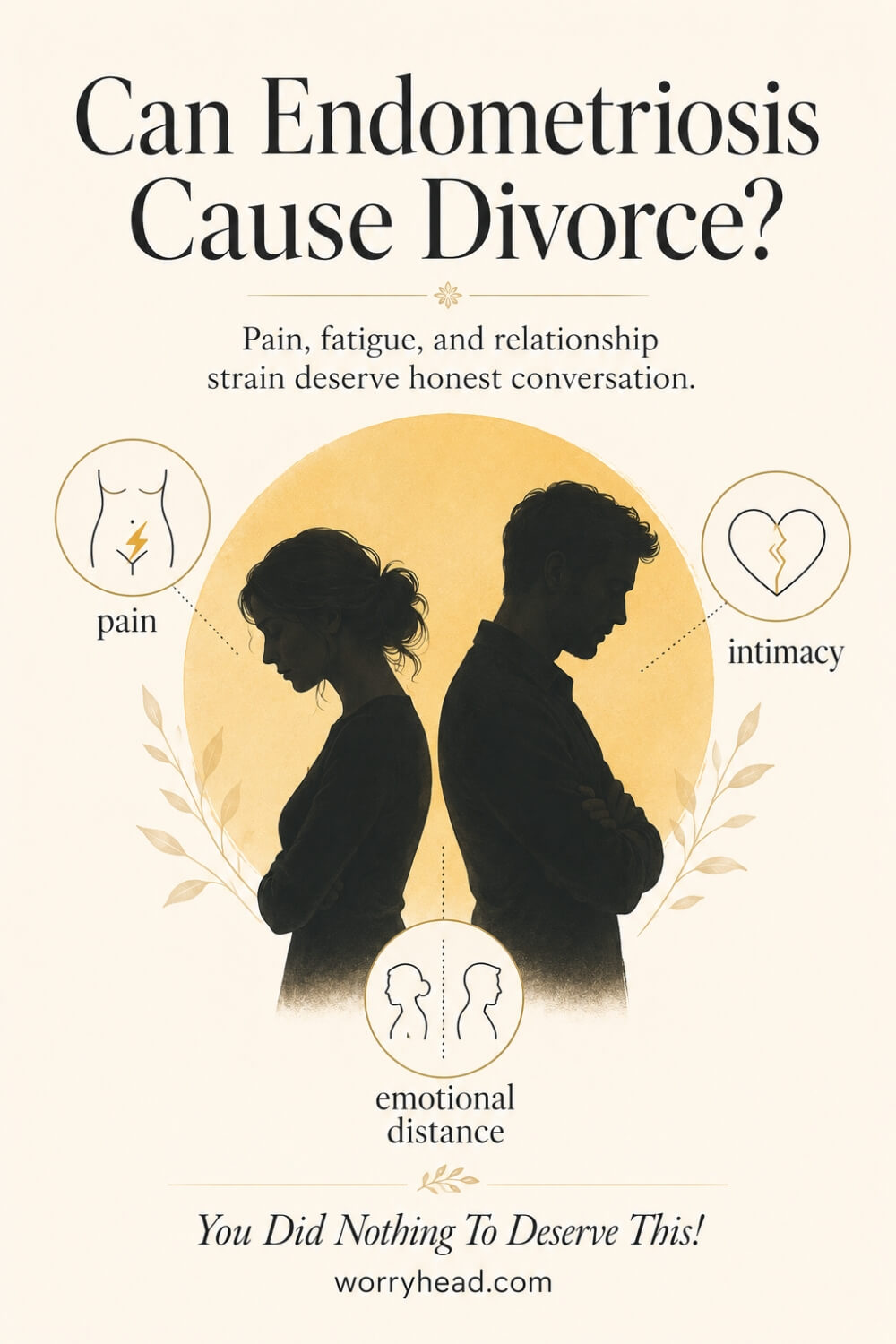
Share the Practical Load
Endo does not only live in the pelvis. It spills into calendars, laundry, meals, appointments, workdays, prescriptions, hospital bags, emotional breakdowns, and the quiet planning nobody sees. If one woman carries all of that alone, the relationship can begin to feel less like a partnership and more like another responsibility.
Sharing the practical load means noticing what needs doing before she has to ask. It means understanding that asking for help can be tiring too, especially when she already feels guilty. A partner who waits to be managed may think he is being available, but she may still feel alone because she has to carry the thinking.
I learned that support becomes more powerful when it is specific. Not “tell me if you need anything,” but “I’ll sort dinner, you rest.” Not “what should I do?” but “I booked the appointment in the calendar.” These small things say, “You are not carrying this life by yourself.”
Name the Hidden Grief
There is a kind of grief in endometriosis that many people do not recognise because nobody has died. But something can still be lost. A woman may grieve her old energy, her old body, her old confidence, her old sex life, her old social life, or the future she imagined before pain began changing the rules.
If this grief is ignored, it can come out as anger, numbness, jealousy, anxiety, resentment, or silence. She may not even know how to explain it because she is grieving versions of herself that other people still expect her to be. That is a lonely place to live.
In my marriage, I had to understand that my wife was not being negative when she missed who she used to be. She was being honest. Sometimes the most healing thing a partner can say is not “don’t think like that,” but “I understand why that hurts.” Naming grief does not make it stronger. It makes it less lonely.
Build a New Normal Together
One of the biggest mistakes couples can make is trying to force life back to exactly how it was before endometriosis changed things. I understand why people do it. The old normal feels familiar, and familiar feels safe. But when the body keeps changing, the relationship has to learn how to change without losing love.
A new normal does not mean giving up. It means building a life that fits the truth instead of punishing her for not fitting the past. It may mean quieter dates, flexible plans, more rest days, different intimacy, better pacing, simpler routines, and honest conversations before resentment builds.
This can feel sad at first, but it can also become deeply tender. Some of the strongest love is not built in perfect conditions. It is built when two people stop pretending and start adapting. A woman should not have to feel that her illness made her less worthy of a beautiful life.
Get Support Before Crisis
Many couples wait too long before asking for help. They wait until the arguments are sharper, the silence is heavier, the intimacy is gone, the resentment is deep, or one person has already emotionally packed their bags. But support works best before the relationship reaches breaking point.
Support can look different for every couple. It may be a specialist doctor, pelvic floor physiotherapist, therapist, couples counsellor, pain clinic, support group, trusted friend, or even better education for the partner. What matters is that the couple stops treating endometriosis like a private failure and starts treating it like something too heavy to carry alone.
I believe men especially need support too, not because we are the sufferers, but because we can become better supporters when we are not reacting from confusion. A supported partner is more patient, less defensive, and more able to love with steadiness instead of panic.
Keep Choosing Each Other Gently
Endometriosis can test love in the small moments more than the dramatic ones. It is in the cancelled dinner, the quiet bedroom, the hospital waiting room, the tired morning, the pain flare, the misunderstood tone, the repeated conversation you thought you already had. That is where couples either drift or keep reaching.
Choosing each other gently does not mean pretending everything is fine. It means saying, “I am still here,” even when life is not easy. It means apologising when fear speaks too sharply. It means giving reassurance before insecurity grows teeth. It means remembering that the woman in pain is still a woman who wants to feel desired, valued, and safe.
For me, love became less about grand gestures and more about consistency. I could not take my wife’s endometriosis away, but I could make sure she did not feel unwanted because of it. Sometimes that is what keeps a relationship alive: not perfect answers, but a steady hand that does not let go.
Why Can Endometriosis Cause Divorce When Love Is Still There?
The painful truth is that love can still be present while the relationship begins to suffer. A couple can still care, still remember who they were, still want to make it work, and still feel like they are slowly losing each other under the pressure of symptoms, fear, fatigue, and misunderstanding.
This is why the question of whether endometriosis can cause divorce is such a painful question, because it is not always about a lack of love. Sometimes it is about two people who love each other but do not know how to survive what the illness keeps taking from their daily life.
Endometriosis can make ordinary relationship problems feel heavier because the body is already carrying too much. A small disagreement about plans can become a bigger argument when one person is in pain, and the other feels disappointed again.
A quiet evening can feel like rejection when it is really exhaustion. A missed hug, a cancelled date, or a bedroom that has become tense can start telling both partners a story that may not be true.
The woman may think, “He is tired of me.” The man may think, “I do not know where I fit anymore.” And in that space, distance grows, not because the couple stopped loving, but because neither of them feels safe enough to say the most vulnerable thing first.
I have seen how easily pain can steal softness from a home. My wife could be sitting beside me, but if she was hurting, frightened, ashamed, or exhausted, she felt far away in a way I did not always understand at the beginning.
There were times when I wanted the old ease back, the old laughter, the old freedom, the old version of us before chronic illness changed the shape of our marriage. But I had to learn that loving her did not mean asking her to return to who she used to be.
It meant meeting her where endometriosis had left her that day. It meant seeing the woman behind the symptoms, not treating the symptoms as if they had replaced the woman.
That is where many partners fail without meaning to. They grieve the old relationship so loudly that the woman in front of them starts feeling like she is the disappointment.
But she is not the disappointment. She is the person still trying, still surviving, still wanting to be loved without having to perform wellness to deserve tenderness.
And if a couple can learn to speak before resentment hardens, to touch without pressure, to rest without guilt, and to grieve without blaming each other, divorce does not have to become the final chapter. Sometimes the relationship does not need less emotion; it needs more honesty, more patience, and a safer place for both people to admit, “This is hurting us, but I do not want to lose you.”
Can Endometriosis Cause Divorce Through Intimacy, Guilt, and Emotional Distance?
One of the hardest parts of endometriosis in a relationship is that the pain can enter places where a couple used to feel safe, close, and chosen. A woman may still love her partner deeply, but if touch begins to mean fear, pressure, pelvic pain, bleeding, cramping, or days of symptoms afterwards, her body may start protecting her before her heart has time to explain.
This is one reason can endometriosis cause divorce to become such an emotional question, because intimacy is not only physical. It is reassurance, softness, desire, trust, playfulness, safety, and the feeling that you are still wanted even when your body cannot do what it used to do.
When painful sex becomes part of the relationship, both people can begin to carry guilt in different ways. She may feel guilty for saying no, for flinching, for crying, for needing to stop, or for avoiding closeness because she is afraid of what might follow.
He may feel guilty for wanting intimacy at all. He may feel ashamed for feeling rejected, confused by her distance, or scared that if he says the wrong thing, he will make her feel worse.
This is where couples can slowly stop talking. Not because they do not care, but because the subject feels too delicate, too painful, too loaded with history.
I have learned through my wife that love must never ask a woman to override her body to prove she still cares. If her body says no, that no deserves respect, tenderness, and patience, not silence, pressure, sulking, or emotional punishment.
But I also believe couples need honest conversations where both people can speak without being made the villain. A man can miss closeness without blaming her, and a woman can fear pain without feeling broken.
The relationship becomes safer when intimacy is rebuilt around trust first. Holding hands, cuddling without expectation, lying together, talking gently, kissing without it having to lead anywhere, and creating closeness outside the bedroom can help both people breathe again.
My wife needed to know that I still saw her as beautiful, not as a problem to solve. I needed to learn that desire should make her feel safe, not hunted by expectation.
Endometriosis can change a marriage, but it does not have to empty it of love. When guilt is spoken with compassion, when pain is believed, and when intimacy becomes a place of safety instead of pressure, a couple can begin finding each other again, not as the people they were before illness, but as two people still choosing tenderness in the life they have now.
Final Word On Can Endometriosis Cause Divorce
Endometriosis can place a heavy weight on a relationship, but I do not believe the disease alone has the power to decide the ending of a marriage. What often damages couples is not only pain itself, but the silence that grows around it, the loneliness that follows it, and the lack of guidance when two people are suddenly living a life neither of them expected.
A woman with endometriosis may lose parts of her old rhythm before anyone else understands what has changed. She may lose easy intimacy, reliable energy, confidence in her body, trust in doctors, freedom with plans, and the feeling that she can be spontaneous without paying for it later.
When that happens, she may begin to feel less like herself, even while the world keeps expecting her to function as if nothing has changed.
A partner can also struggle, not because he suffers more, but because he may not know how to stand beside pain he cannot remove. I know that feeling. I know what it is like to love someone so much and still feel useless when pain, fear, exhaustion, or tears take over the room. But I also know that helplessness is not an excuse to withdraw, blame, pressure, or make her feel like her illness has made her harder to love.
The real danger begins when both people suffer separately. She hides pain because she does not want to be a burden. He hides fear because he does not want to say the wrong thing. She feels guilty for needing rest. He feels rejected when closeness disappears. She feels ashamed of her body. He misses the woman he married, but forgets that she also misses herself.
This is why the question can endometriosis cause divorce deserves an honest but careful answer. It can contribute to the pressure that leads some couples toward separation, especially when chronic pain, painful sex, infertility worries, fatigue, money stress, and emotional disconnection are left unsupported. But it does not mean a woman with endometriosis is doomed to lose love, or that a relationship has no chance once the disease enters it.
A couple can still rebuild. Not by pretending everything is normal, but by creating a new normal that respects her body, protects her dignity, and gives both people space to speak honestly. Love may have to become slower, gentler, more patient, and more intentional. It may need better boundaries, more practical help, counselling, medical support, pelvic pain care, and conversations that are brave enough to name grief without turning it into blame.
What I want every woman reading this to know is simple. You are not less worthy of love because your body hurts. You are not broken because intimacy is complicated. You are not a burden because you need support. And you are not responsible for educating everyone while you are already trying to survive your own pain.
A good partner may not always get it right, but he should be willing to learn. He should be willing to listen without defending himself, hold you without expecting more, and see the woman behind the symptoms. Because endometriosis may change the relationship, but with compassion, belief, patience, and teamwork, it does not have to destroy the love.
You deserve a relationship where your pain is believed, your body is respected, and your heart does not have to beg for gentleness. Endometriosis may change the way love has to be lived, but it should never make you feel unlovable, unwanted, or too difficult to cherish.
If this article touched something tender in you, I would love you to leave a comment and share your story. And if you have not yet read it, you can also check out the free chapter of my eBook, written for women who need to hear, again and again, that they did nothing to deserve this.


About Me
Hi, I’m Lucjan! The reason why I decided to create this blog was my beautiful wife, who experienced a lot of pain in life, but also the lack of information about endometriosis and fibromyalgia for men…
READ MORE
Grab a FREE eBook!
“You Did NOTHING To Deserve This!”
Finally hear the words nobody ever said to you, that your pain is real, your tears make sense, and you did nothing to deserve endometriosis, the dismissal, or the way it has rewritten your life.
Can Endometriosis Cause Divorce FAQ
1. Can Endometriosis Really Lead To Divorce?
Endometriosis itself does not automatically lead to divorce, and no woman should ever feel that her diagnosis makes her unlovable or destined to lose her relationship. But endometriosis can place serious pressure on a couple when chronic pelvic pain, painful sex, fatigue, infertility worries, money stress, emotional burnout, and lack of understanding are left unsupported.
What often hurts the relationship is not only the disease, but the silence around the disease. When a woman feels guilty for being ill, and her partner feels confused or rejected, both can start suffering separately. With belief, honest communication, practical support, and sometimes counselling or medical guidance, many couples can protect their relationship instead of letting endometriosis quietly pull them apart.
2. Why Does Endometriosis Affect Intimacy So Much?
Endometriosis can affect intimacy because sex may become painful, frightening, unpredictable, or emotionally loaded. Deep pain during sex can happen when penetration presses on inflamed tissue, scar tissue, pelvic floor tension, nerves, or areas affected by deep endometriosis. Even the fear of pain can make the body tense before intimacy begins.
But intimacy is not only about sex. It is also about feeling wanted, safe, close, attractive, and emotionally held. A woman may avoid touch because she is afraid it will lead somewhere painful, while her partner may wrongly read that distance as rejection. This is why pressure makes things worse, while tenderness, patience, non-sexual affection, and gentle conversations can help rebuild safety.
3. What Should A Partner Not Say To A Woman With Endometriosis?
A partner should avoid saying things that dismiss, minimize, blame, or compare her pain. Comments like “it cannot be that bad,” “you are always tired,” “we never have sex anymore,” “other women cope,” or “maybe it is in your head” can cut very deeply, especially if she has already spent years being dismissed by doctors or people around her.
A better approach is to speak with belief before advice. Say things like, “I believe you,” “I am here,” “we will adjust today,” or “tell me what would help right now.” A woman with endometriosis does not need to prove she is suffering enough to deserve gentleness. She needs to feel that her partner is on her side, not standing over her with judgment.
4. How Can Couples Protect Their Relationship From Endometriosis?
Couples can protect their relationship by treating endometriosis as something they face together, not something that belongs only to the woman. That means learning about the condition, planning around flare-ups, protecting rest, sharing practical tasks, talking about sex without pressure, and creating small moments of closeness that do not depend on perfect health.
It also means asking for help before the relationship reaches crisis point. A specialist, pelvic floor physiotherapist, therapist, couples counsellor, pain clinic, or support community can make a real difference. Love alone is powerful, but love needs tools. A couple should not have to invent those tools while already exhausted.
5. Can A Relationship Become Stronger After Endometriosis?
Yes, a relationship can become stronger, but not by pretending endometriosis is easy or romanticising the pain. It becomes stronger when both people become more honest, more patient, more emotionally mature, and more willing to adapt. The relationship may not look like it did before, but that does not mean it has to become less loving.
In my own marriage, I learned that strength is often built in quiet moments. It is built when a man believes her pain, protects her dignity, apologises when he gets it wrong, and keeps choosing her without making her feel guilty for needing support. Endometriosis can change the shape of love, but with compassion and teamwork, it does not have to take love away.
Can Endometriosis Cause Divorce References
- https://www.who.int/news-room/fact-sheets/detail/endometriosis
- https://www.nice.org.uk/guidance/ng73
- https://www.nice.org.uk/guidance/ng73/resources/endometriosis-diagnosis-and-management-pdf-1837632548293
- https://www.nice.org.uk/guidance/ng73/resources/visual-summary-on-first-presentation-initial-management-diagnosis-referral-and-ongoing-care-of-pdf-13559822461
- https://www.eshre.eu/-/media/sitecore-files/Guidelines/Endometriosis/ESHRE-GUIDELINE-ENDOMETRIOSIS-2022_1.pdf
- https://pmc.ncbi.nlm.nih.gov/articles/PMC8951218/
- https://pmc.ncbi.nlm.nih.gov/articles/PMC8535360/
- https://pmc.ncbi.nlm.nih.gov/articles/PMC5850214/
- https://pmc.ncbi.nlm.nih.gov/articles/PMC7580264/
- https://pmc.ncbi.nlm.nih.gov/articles/PMC9967948/
- https://pmc.ncbi.nlm.nih.gov/articles/PMC11932512/
- https://academic.oup.com/humrep/article/31/11/2577/2274319
- https://www.nhs.uk/conditions/endometriosis/
- https://www.nhs.uk/conditions/endometriosis/treatment/
- https://en.wikipedia.org/wiki/Endometriosis
