How to Accept a New Life with Endometriosis?
Have you ever looked at the life you used to have and wondered how you are supposed to accept this new version of yourself when endometriosis keeps changing the rules? Learning how to accept a new life with endometriosis is not about forcing yourself to be grateful for pain. It is about learning how to grieve, adapt, ask for help, and still believe your life can hold meaning.
If you feel like you are losing your old self, feel scared, angry, guilty, exhausted, or quietly heartbroken by the way your body has changed your plans, I want you to feel seen before we go any further.
Accepting a new life with endometriosis means grieving what changed, believing your symptoms, learning your limits, seeking care, and rebuilding routines around pain, fatigue, flare-ups, relationships, fertility fears, work, rest, and hope without blaming yourself for an illness you did not choose.
I am not a clinician, but I write as a husband, blogger, researcher, and medically trained carer, and at the bottom of this article I have attached the sources I used to learn the medical context and health facts from WHO, NICE, NHS, ESHRE, studies, and other trusted references.
One thing I wish more pages said plainly is that acceptance is not the same as surrender. Endometriosis affects an estimated 190 million women of reproductive age worldwide, yet so many still spend years being told their pain is normal, stress, IBS, anxiety, or simply part of being a woman.
That is why this topic matters far beyond pain relief.
When your calendar, body confidence, intimacy, work, sleep, fertility fears, emotions, and sense of safety are all shaped by a condition other people cannot see, of course acceptance feels messy, unfair, and sometimes almost impossible.
Worry Head began in 2019 because I was watching my wife live through the kind of private pain that rearranges a home, marriage, and a woman’s sense of who she is. Her endometriosis taught me that acceptance is not a neat mindset trick, but it is something a couple learns slowly, often with tears, changed plans, difficult conversations, and a deeper kind of love.
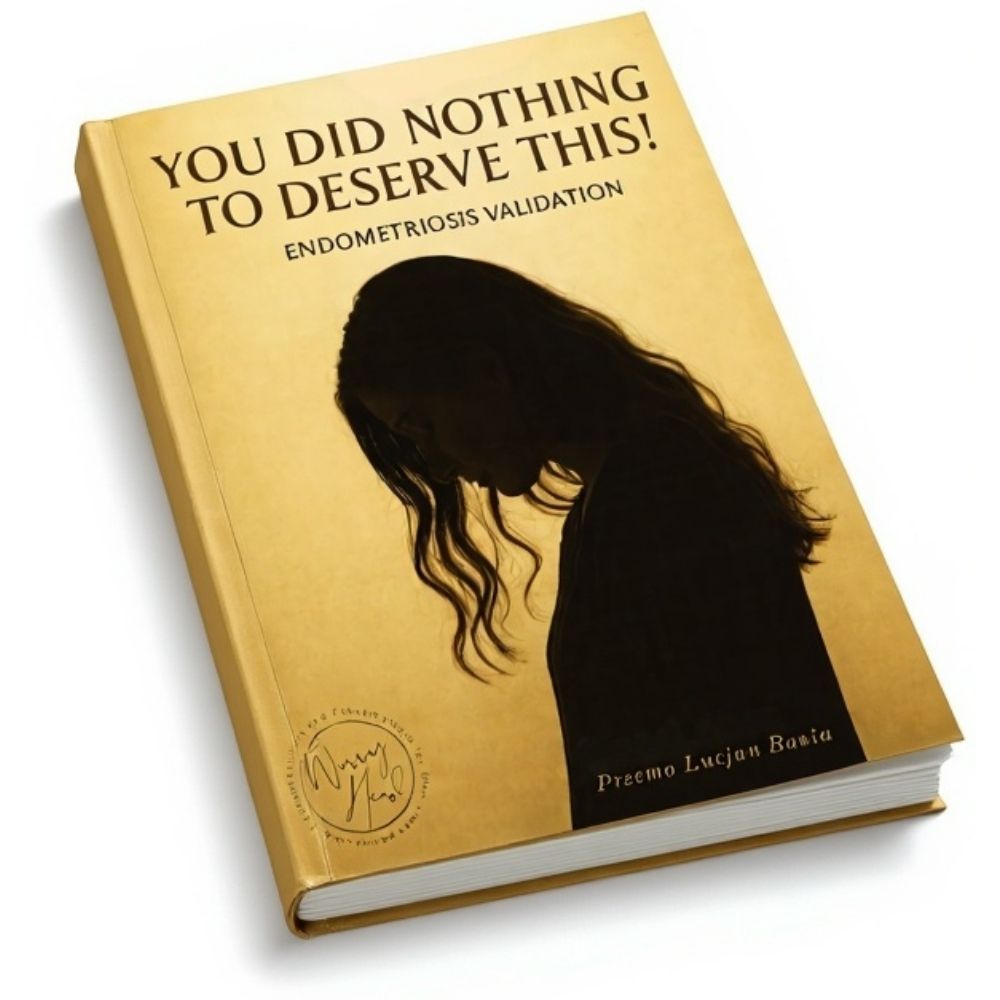
If you need a softer place to breathe after reading this, you can grab my FREE 130+ page eBook, You Did Nothing To Deserve This!, written to validate what endometriosis can make you feel but never should make you carry alone. When you grab it, you also join our Worry Head community, where I send more freebies, big discounts on all our books, and honest emails that help you and your relationship adjust to the new normal chronic illness brings.
The book is filled with 20 chapters of gentle validation for women with endo, written by yours truly, as I have seen it up close...
It’s not a medical guide but a human one, and here’s what you will find inside:
- This Was Never Your Fault
- The Girl You Used To Be
- When Your Own Body Feels Like an Enemy
- The Invisible Battles Nobody Sees
- Am I Just Lazy? – The Lie You Have Been Taught
- Gaslighting, Dismissal and the Trauma of Not Being Believed
- Guilt: The Weight You Were Never Meant to Carry
- Love in the Middle of Pain
- Intimacy When Your Body Hurts
- The Loneliness of Being the Strong One
- You Are Allowed To Take Up Space
- Tiny, Gentle Hopes (Not Toxic Positivity)
- If You Could Hear My Voice Every Flare Day
- You Deserve Partners, Not Witnesses
- When You Wish He Understood
- Motherhood, Fertility and the Grief Nobody Sees
- When Anger Is the Only Honest Feeling
- Learning to Trust Your Body Again
- Building a Life That Fits Your Reality
- You Did Nothing To Deserve This
You Did NOTHING To Deserve This!
Endometriosis Validation for Women with Endo
- You Did NOTHING To Deserve This!
- The Meaning of How to Accept a New Life with Endometriosis
- How to Accept a New Life with Endometriosis When Normal Changes?
- How to Accept a New Life with Endometriosis As a Couple?
- When to Seek Medical Help?
- Questions to Ask Your Doctor
- Final Word On How to Accept a New Life with Endometriosis
- FREE eBook
The Meaning of How to Accept a New Life with Endometriosis
For me, how to accept a new life with endometriosis begins with one painful truth: you are not trying to love the illness, but you are trying to stop hating yourself for what the illness has changed. Acceptance does not ask you to pretend the pain is fair, the fatigue is small, or the grief is easy. It asks you to stop treating your survival as failure.
When my wife has had days where her body seemed to decide everything before we even opened the curtains, I learned that acceptance had to be softer than motivation. It could not be another voice telling her to be positive, push through, smile more, or get back to the old version of herself. The old version may still live inside you, but she also deserves room to become someone protected, paced, believed, and loved in the reality you have now.
This is where many women are left alone, because medical pages often explain symptoms, lesions, hormones, scans, surgery, and pain relief, but they rarely explain what happens to your identity.
You may still look like you, answer messages like you, go to work like you, and smile for people like you, while inside you are negotiating with pain, bloating, bleeding, intimacy fear, bowel symptoms, bladder pressure, brain fog, exhaustion, and the quiet shame of cancelling again. That hidden negotiation can make your life feel smaller before anyone else even notices.
I do not believe acceptance begins with discipline. I believe it begins with permission. Permission to grieve the plans you lost, permission to rest without apologising, permission to ask for adjustments, permission to say no, and permission to stop proving pain to people who only believe suffering when it is visible.
This matters because endometriosis is not just about painful periods, and you know that if your whole life has started organising itself around flares, appointments, fear of bleeding, heating pads, toilet trips, medication, surgery decisions, fertility worries, and the emotional crash that comes after being dismissed.
Acceptance becomes practical when you build a life that expects bad days without letting them steal every good day. It becomes emotional when you realise you can miss who you were and still be proud of who you are becoming.
As a husband, I had to learn that loving my wife well did not mean dragging her back to normal. It meant building a safer normal beside her. Some nights that looked like holding her hand in silence, and some days it looked like changing our plans before pain had to beg for permission. If nobody has told you this clearly, you are not difficult because your needs changed; you are living with a condition that changed the map, and you deserve people who learn the new roads with you.
When I think about my wife, I think about every small surrender she never deserved to make, and every time she still found courage to begin again with less energy than anyone could see.
That is why I do not want the next part to feel like shallow advice, because your new life deserves tools that respect your body, your grief, your relationship, and your dignity. These are the gentle steps I would want every woman, and every partner beside her, to understand deeply.
- Grieve Your Old Life Honestly
- Believe Your Pain Without Proof
- Rebuild Your Daily Baseline
- Protect Your Energy First
- Talk About Needs Early
- Let Love Change Shape
- Create A Flare-Day Plan
- Find Meaning Without Pressure
Grieve Your Old Life Honestly
You do not need to pretend you are fine with losing pieces of your old life just because someone else thinks acceptance should look calm. If endometriosis has changed the way you work, move, love, sleep, plan, travel, dress, eat, rest, or see yourself, grief is not weakness; it is the honest sound of your heart trying to understand what happened.
I have watched my wife miss versions of herself that pain quietly took from her, and I learned that saying “be strong” can sometimes land like another burden.
What helps more is giving yourself permission to name the loss without judging it. You may miss the body that felt predictable, the intimacy that felt easy, the energy that did not need measuring, or the future you thought would unfold without medical appointments shaping so many decisions.
Letting yourself grieve does not mean you are stuck in sadness. It means you are finally telling the truth, and truth is often the first doorway into a gentler life.
Believe Your Pain Without Proof
One of the cruellest things endometriosis can do is make you feel like you must become a lawyer for your own body. You gather notes, explain symptoms, compare cycles, describe stabbing pain, bowel pain, bladder pressure, fatigue, bloating, nausea, pain with sex, and still wonder if you sounded convincing enough. Please hear me clearly: your pain is real before anyone validates it.
I have seen how much damage disbelief can do to a woman who is already exhausted from surviving her own symptoms. When my wife doubted herself after being dismissed, I could see that the emotional wound sometimes hurt almost as much as the physical one.
You should not need a scan result, a surgical report, or someone else’s approval to speak kindly to yourself. Medical evidence matters, of course it does, but your lived experience matters too. Start by believing your body is telling you something, not betraying you for attention. That small shift can help you walk into appointments less apologetically and into your own life with a little more dignity.
Rebuild Your Daily Baseline
A new life with endometriosis often begins when you stop measuring today against the most energetic version of your past. Your baseline may change with your cycle, stress, sleep, treatment, surgery recovery, hormones, bowel symptoms, inflammation, or flare-ups, and that does not make you inconsistent. It makes you human in a body that has to manage more than others can see.
When my wife has a harder day, I no longer see it as a failed day. I see it as a day that needs a different kind of plan. Rebuilding your baseline means asking, “What is realistic for this body today?” rather than “Why can’t I do what I used to do?”
Some days your baseline may include work, cooking, laughter, walking, and a little normality. Other days it may be pain relief, a shower, loose clothes, safe food, warmth, messages left unanswered, and rest without guilt.
A kind baseline protects you from constantly feeling behind in your own life. It lets you live with your body instead of fighting it every morning.
Protect Your Energy First
Energy with endometriosis is not just about being tired. It can feel like your whole system is spending invisible money before your day even begins. Pain, poor sleep, heavy bleeding, anxiety before appointments, pelvic floor tension, digestion problems, hormonal changes, and emotional stress can all take from the same limited account. That is why protecting your energy is not selfish; it is maintenance.
I used to think support meant helping my wife do more, but over time I realised real support often means helping her do less without shame. It means noticing when the world keeps asking for performance from a body that is already paying too much.
You may need to cancel earlier, rest before you crash, prepare food before flares, ask for help before resentment builds, and stop explaining your limits to people committed to misunderstanding them. Your energy is part of your health. Spend it on what keeps you safe, loved, and steady, not on proving you are “normal” to people who do not live inside your body.
Talk About Needs Early
Endometriosis can make you hide your needs because you fear becoming “too much.” You may wait until pain is severe before asking for help, wait until exhaustion breaks you before admitting you cannot cope, or wait until resentment builds before saying what you needed days ago. I understand why you do that, especially if your symptoms have been dismissed before, but silence can make the people who love you guess badly.
In my marriage, I learned that my wife should not have to collapse for me to take her seriously. We needed better language before the crisis point. That might sound like, “I am not asking you to fix this; I just need comfort,” or “I need practical help today, not advice,” or “I feel scared because this pain feels different.”
These small sentences can protect your relationship from confusion. They also help your partner understand whether you need warmth, food, space, advocacy, a lift, a quiet room, or simply someone who stays beside you without making your pain about their discomfort.
Let Love Change Shape
Endometriosis can touch the parts of love that people rarely talk about honestly. It can change sex, spontaneity, date nights, household roles, future plans, emotional patience, and the way closeness feels when your body is painful or unpredictable. But changed love is not failed love. Sometimes it becomes deeper because it has to learn tenderness where life used to run on ease.
I had to learn that loving my wife was not about expecting our relationship to look the way it did before illness became louder. Love had to become slower, more observant, more patient, and more protective. It had to include heating pads, cancelled plans, careful touch, difficult conversations, and affection that did not always ask the body for more than it could give.
If you are the woman living with this, I want you to know you are still desirable, still worthy, still a whole person, even when intimacy needs new rules. The right love does not punish you for pain. It learns how to hold you differently.
Create a Flare-Day Plan
A flare-day plan is not admitting defeat. It is an act of respect for the version of you who may not have the energy to think clearly when pain rises. Endometriosis flares can make simple choices feel heavy, so having a gentle plan can reduce panic, guilt, and the horrible feeling of scrambling while already overwhelmed. Your plan does not need to be perfect; it needs to be kind and easy to follow.
For my wife, the smallest practical things often matter most because they remove decisions from an already exhausted mind. Think about what helps your body feel safer: heat, prescribed pain relief, comfortable clothing, safe meals, hydration, a quiet room, a bath, a TENS machine if suitable for you, a message template to cancel plans, or a list of symptoms that mean you should seek medical help.
Partners can have a role too, but they need clear instructions. A flare plan says, “When I cannot explain everything, this is how you can love me well.” That can make a painful day feel less lonely.
Find Meaning Without Pressure
When people talk about chronic illness, they sometimes rush too quickly into purpose, as if your pain must become inspiring before it is allowed to be respected. I do not believe that. You do not owe anyone a brave lesson, a public story, a perfect recovery mindset, or a beautiful reason for what happened to you. Meaning should never be used to silence grief.
But when you are ready, meaning can return in small, quiet ways. It may come through advocating for yourself, teaching your partner how to support you, comforting another woman who feels alone, protecting your peace, changing your work rhythm, honouring your limits, or finally believing that your body deserves care instead of punishment.
Worry Head grew from watching my wife suffer and realising that medical facts alone were not enough without validation. Your meaning may look different, and that is okay. The goal is not to turn pain into a performance. The goal is to build a life where you are still allowed to feel loved, useful, wanted, and deeply human.
How to Accept a New Life with Endometriosis When Normal Changes?
There is a moment many women never say out loud: the moment they realise their body has not just caused pain, it has changed the shape of ordinary days. You may still be going to work, answering messages, caring for others, smiling in photos, and saying “I’m okay,” while privately calculating whether you can stand, eat, travel, have sex, sleep, or make it through the next flare.
That is why how to accept a new life with endometriosis has to include emotional safety, not just symptom management.
Medical support matters, but the quiet daily support matters too, because a condition that affects your pelvis can also touch your confidence, your relationship, your social life, your fertility hopes, your work, and your sense of being safe inside your own body.
When those things change, you do not need someone telling you to move on; you need someone patient enough to sit with what has been lost and still remind you that you are not lost. I learned this with my wife, not from one dramatic moment, but from thousands of small ones that nobody else saw.
I saw the way she could look fine to the outside world and still come home emptied by pain, bloating, tiredness, fear, and the pressure to keep functioning. I saw how hard it was for her to say no when she had already spent so many years trying not to disappoint anyone. And I saw how easily a woman can start apologising for a body that is not choosing to hurt her.
The new life does not arrive with instructions, and that is what makes it so frightening.
One month you may be trying a treatment, the next you may be waiting for a referral, recovering from surgery, changing your routine, tracking symptoms, facing intimacy differently, or grieving another plan that pain interrupted. Acceptance in that reality has to be flexible, because your life may need different rules during a flare than it does on a steadier day.
In our home, I had to stop asking, even silently, when things would go back to normal, because that question can make the woman you love feel like her present self is a disappointment. The better question became, “What would make today feel safer for you?” and I wish every woman with endometriosis had someone willing to ask that without resentment, pressure, or pity.
How to Accept a New Life with Endometriosis As a Couple?
The hardest part of this new life is that it does not only ask your body to adjust; it asks your relationship, your plans, your patience, and your heart to adjust too. You can be the same woman inside and still need a different rhythm outside, and the people who love you need to understand that without making you feel guilty.
When I think about how to accept a new life with endometriosis, I think about the small changes no one applauds, like choosing rest before pain breaks you, speaking honestly before resentment grows, and letting your partner see the fear you usually hide. It is not easy to let someone love you in the middle of symptoms that make you feel less like yourself.
For my wife, this illness has touched ordinary things that many couples take for granted, such as going out, planning ahead, intimacy, housework, sleep, and the emotional safety of knowing tomorrow might be harder than today. For me, it has meant learning that support is not only found in big sacrifices, but in small, steady choices that say, “I am still here, and I am not disappointed in you.”
I had to learn when to speak, when to be quiet, when to help, when to stop trying to fix, and when to simply sit beside her without filling the room with advice. Some days, love looks like changing plans without making her feel like she ruined anything.
Other days, love looks like reminding her that pain has changed her capacity, not her worth. That kind of change can hurt both of you, but it can also teach you a deeper kind of tenderness if both hearts are willing to learn.
You deserve a life where your needs are not treated as drama, your limits are not treated as failure, and your body is not treated as an inconvenience. And if you have been afraid that endometriosis makes you harder to love, I want you to hear this from a husband who has watched his wife suffer: the right love does not leave because life became harder; it becomes more careful, more loyal, and more protective.
When to Seek Medical Help?
I want to say this gently, because I know many women with endometriosis have already been made to feel dramatic, anxious, or difficult when they asked for help. You do not need to wait until your pain is unbearable before you deserve medical support. Pain that interrupts your work, sleep, relationships, sex life, bowel movements, bladder habits, mobility, mental health, or daily routine is already enough reason to speak to a doctor.
If your periods are so painful that you cannot function normally, that is worth discussing. If you have pelvic pain outside your period, pain during or after sex, painful bowel movements, pain when passing urine, bloating that keeps returning, fatigue that does not match your life, bleeding between periods, or symptoms that seem linked to your cycle, please do not dismiss them as “just being sensitive.” Your body may be asking for attention, not criticism.
You should also ask for help if your symptoms are getting worse, changing in a new way, or affecting your quality of life more than before. Sometimes women become so used to coping that they forget coping is not the same as being well. I have seen that with my wife, where the question was not “is this pain real?” but “how much of her life has she been forced to organise around it?”
Please seek urgent medical help if you have sudden severe pelvic or abdominal pain, pain with fainting or dizziness, a fever, persistent vomiting, very heavy bleeding, shoulder-tip pain with feeling unwell, pregnancy or possible pregnancy with pelvic pain, chest pain, breathlessness, or symptoms that feel very different from your usual pattern. I do not say that to frighten you. I say it because even if you already have endometriosis, not every new or severe symptom should automatically be blamed on it.
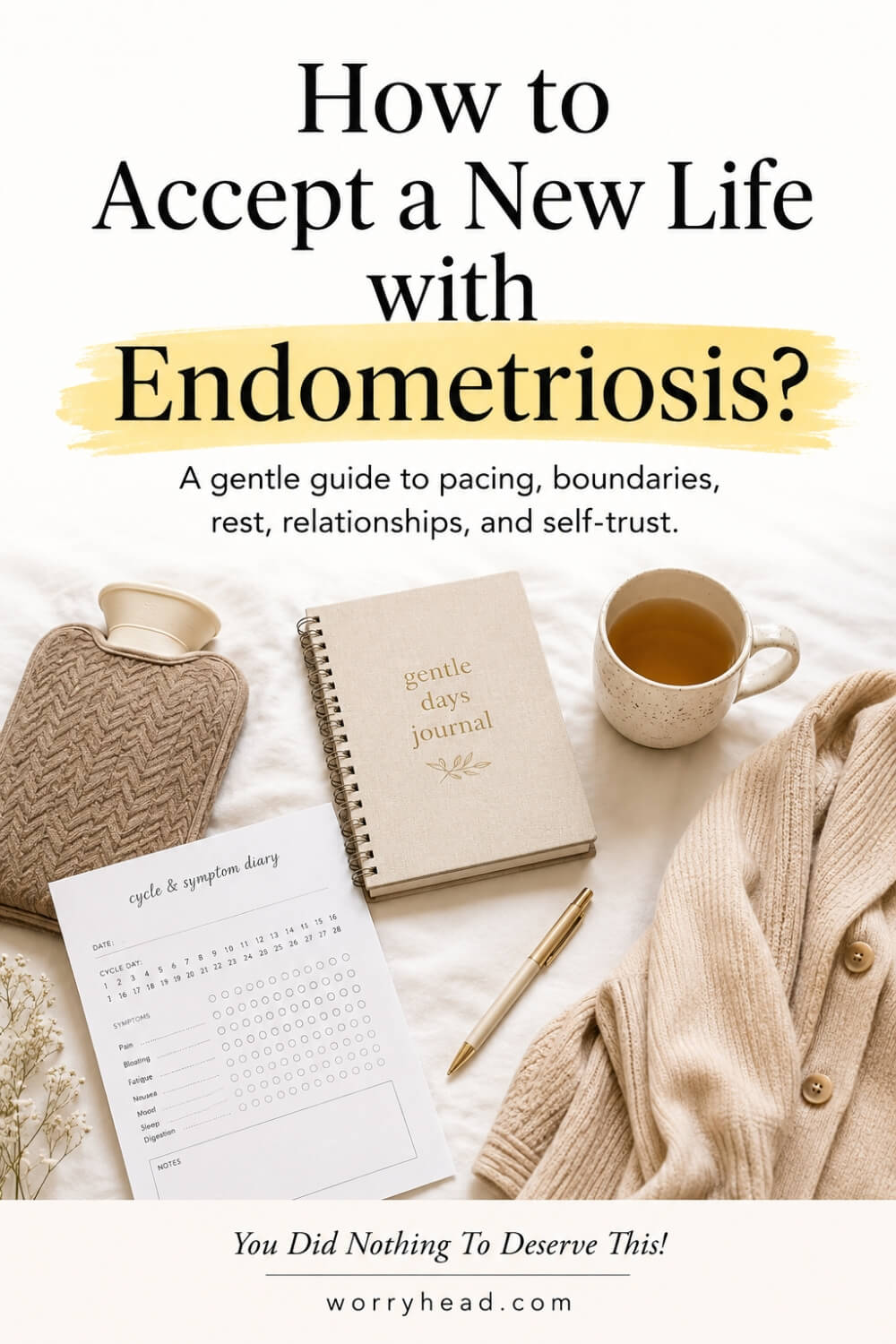
For non-urgent but ongoing symptoms, a GP appointment is still important. Before you go, write down what happens, when it happens, how long it lasts, what makes it worse, what helps, and how it affects your real life. Include things like missed work, cancelled plans, painful sex, toilet symptoms, sleep loss, fatigue, low mood, fear around intimacy, or needing heat or pain relief just to function.
This matters because doctors do not live in your body. They may see you for ten minutes, but you live with the pattern every day. A symptom diary can help turn your lived experience into something easier to explain, especially if you freeze, minimise things, or feel embarrassed in appointments.
If you have already been diagnosed and you still feel unsupported, you are allowed to ask for a review. You can ask whether your treatment plan still fits your symptoms, whether imaging is needed, whether referral to a gynaecologist or specialist endometriosis service is appropriate, and whether pain management, pelvic floor physiotherapy, fertility advice, mental health support, or bowel and bladder assessment should be considered.
I know it can feel exhausting to keep asking. My wife has had moments where even making the appointment felt like one more heavy thing placed on top of pain. But asking for help is not weakness. It is an act of care towards the woman you are now, the woman who has carried too much quietly, and the future version of you who deserves better support than silent survival.
Questions to Ask Your Doctor
When you finally get into the room with a doctor, it can be hard to remember what you wanted to say. Pain can make your mind go blank, past dismissal can make you shrink your words, and years of being told “this is normal” can make you soften symptoms that are not normal for you.
That is why it can help to bring questions written down, not because you are trying to challenge anyone, but because you are trying to be heard clearly.
You could begin with: “Based on my symptoms, could endometriosis be contributing to this?” This is a simple question, but it opens the door to a better conversation. It helps move the appointment away from treating one symptom in isolation and towards looking at the pattern of pain, bleeding, bowel symptoms, bladder symptoms, fatigue, intimacy pain, and cycle-linked changes.
You can ask: “What else could cause these symptoms, and how will we rule those things out?”
This matters because you deserve careful thinking, not guesswork. Endometriosis can overlap with other conditions, and sometimes women are passed from one explanation to another without anyone stepping back to look at the whole picture.
You can ask: “Do I need an ultrasound, MRI, referral to gynaecology, or referral to a specialist endometriosis centre?”
Not every scan finds every type of disease, and a normal result does not always mean your pain is imagined. Asking this calmly can help you understand the next step instead of leaving the appointment with vague reassurance and no plan.
You can ask: “What are my treatment options, and what are the benefits and downsides of each?”
This may include pain relief, hormonal treatment, surgery, physiotherapy, lifestyle support, fertility advice, or a combination depending on your symptoms, priorities, age, medical history, and whether you are trying to conceive. You do not need to agree to something you do not understand. You deserve explanations in plain English.
You can ask: “What should I do during a flare, and when should I seek urgent help?”
This question is practical and powerful because it gives you a plan for the days when fear and pain are both loud. It also helps your partner know when to comfort you at home and when to help you seek medical care.
You can ask: “Could my bowel, bladder, nerve, hip, back, or leg symptoms be connected?”
Many women feel ashamed bringing up toilet symptoms, pain with sex, rectal pressure, groin pain, or leg pain, but your doctor cannot consider what you do not feel safe enough to say. If something happens repeatedly, especially around your period or ovulation, it belongs in the conversation.
You can ask: “How will this affect my fertility, and when should I ask for fertility support?”
Not every woman with endometriosis will struggle to conceive, but fertility fears can sit heavily in the heart. If this matters to you, you are allowed to ask early, even if you are not ready to make decisions today.
You can ask: “Can we talk about the emotional impact too?”
Please do not leave your anxiety, depression, grief, body image pain, relationship strain, intimacy fear, or exhaustion outside the medical room as if they do not count. Endometriosis can affect far more than the pelvis, and you deserve care that sees the whole woman, not just the painful part.
If you have a partner, you may also bring them with you if that feels safe and helpful. I have learned that my role is not to speak over my wife, but to help her feel less alone, remember details, validate what happens at home, and make sure the appointment does not shrink her reality into one small symptom. A good appointment should leave you with more clarity, not more shame.
Final Word On How to Accept a New Life with Endometriosis
If there is one thing I want you to carry from this article, it is this: acceptance is not permission for endometriosis to take more from you. It is permission for you to stop blaming yourself for what it has already taken. You are not weak because you miss the woman you were before pain became louder. You are not ungrateful because you still grieve the life that felt easier, freer, more predictable, or more yours.
A new life with endometriosis does not have to mean a smaller life, but it may need to become a more protected one. You may need more rest, clearer boundaries, better medical support, gentler routines, kinder language around your body, and people who understand that your symptoms are not excuses. They are part of a real condition that can affect your energy, emotions, work, intimacy, confidence, relationships, and future plans.
For me, watching my wife live with this illness changed the way I understand love. Love is not just romance when everything is easy.
Love is sitting beside someone when pain has stolen the evening. Love is changing plans without resentment. Love is learning the difference between helping and controlling. Love is believing her before the world does. Love is saying, again and again, “you did nothing to deserve this,” until those words begin to reach the place where shame used to sit.
I know some readers will come here feeling tired of being brave. You may have smiled through pain, answered “I’m fine” when you were not, worried you were too much, hidden symptoms to protect other people’s comfort, or wondered whether your partner still sees you the same way.
I cannot speak for every man, but I can speak from my own heart as a husband: the right person does not see you as less because your body needs more care. They see your courage more clearly.
Learning how to accept a new life with endometriosis is not a single decision you make once and then never struggle again. It is a daily practice of returning to yourself with less cruelty. It is choosing not to measure your worth by productivity, sex, fertility, social plans, housework, or how well you hide pain. It is learning to ask, “What does my body need today?” without hearing that question as failure.
And please do not feel pressured to make your story inspiring before you feel safe. Healing emotionally can be quiet. It can be messy. It can begin with one honest sentence, one supportive conversation, one kinder boundary, or one morning when you stop apologising for needing care.
Some days, acceptance may look like hope. Other days, it may look like tears, cancelled plans, unanswered messages, heat on your belly, and giving yourself permission to stop pretending. Both days count. Both versions of you deserve compassion. And even if this illness has changed the road, it has not erased the woman walking it.
You are still here, still worthy, still loved, and still allowed to build a life that holds tenderness alongside truth.
Endometriosis may change your pace, plans, body confidence, intimacy, work, and energy, but it does not make you less worthy of love or joy. Acceptance is not giving up. It is learning to protect yourself, believe yourself, and build a life where your pain is respected, and your heart is still allowed to hope.
If this spoke to something you have carried quietly, leave a comment below and share what acceptance has looked like for you. You can also check out the FREE chapter of You Did Nothing To Deserve This! at the bottom of this post.


About Me
Hi, I’m Lucjan! The reason why I decided to create this blog was my beautiful wife, who experienced a lot of pain in life, but also the lack of information about endometriosis and fibromyalgia for men…
READ MORE
Grab a FREE eBook!
“You Did NOTHING To Deserve This!”
Finally hear the words nobody ever said to you, that your pain is real, your tears make sense, and you did nothing to deserve endometriosis, the dismissal, or the way it has rewritten your life.
Related Questions You May Be Asking About How to Accept a New Life with Endometriosis
1. Does Accepting Endometriosis Mean I Am Giving Up?
No, acceptance does not mean giving up. It means you stop fighting yourself while you keep seeking care, answers, comfort, treatment options, support, and better days. You can accept that endometriosis is part of your life right now and still want relief, surgery, hormonal support, pain care, fertility advice, or a stronger plan for your future.
2. How Do I Stop Missing My Old Self?
You may not stop missing her completely, and that is not wrong. The old you had dreams, routines, energy, confidence, and freedoms you may still grieve. The goal is not to erase her, but to bring her gently into the woman you are becoming now, with more protection, more truth, and less pressure to pretend nothing changed.
3. Can Endometriosis Change My Relationship?
Yes, endometriosis can change a relationship because it can affect plans, intimacy, energy, mood, money, fertility worries, social life, and the emotional rhythm between two people. But change does not have to mean failure. With honesty, patience, practical support, and tenderness, love can become less about perfect normality and more about feeling safe together through hard days.
4. How Can My Partner Support Me Better?
Your partner can support you better by believing you without demanding proof, learning your symptoms, respecting your limits, helping before you collapse, and not making your pain feel like a personal inconvenience. Sometimes support is practical, like meals, transport, heat, chores, or appointments. Sometimes it is emotional, like listening without fixing and reminding you that you are still loved.
5. What If My Life Feels Smaller Now?
If your life feels smaller, it may be because pain, fatigue, flare-ups, fear, and uncertainty have forced you to protect yourself more than before. That does not mean your life has no meaning. It means your world may need rebuilding with kinder rules, safer routines, better support, and spaces where your body is respected instead of constantly pushed.
6. Can I Still Have Hope With Endometriosis?
Yes, you can still have hope, but it may look different from the hope you had before. It may not be loud, perfect, or certain. It may be one better appointment, one kinder conversation, one less lonely flare, one clearer boundary, or one day where you believe again that your life is still worth building with care.
How to Accept a New Life with Endometriosis References
- https://www.who.int/news-room/fact-sheets/detail/endometriosis
- https://www.nhs.uk/conditions/endometriosis/
- https://www.nice.org.uk/guidance/ng73
- https://www.nice.org.uk/news/articles/nice-updated-guideline-to-improve-the-diagnosis-of-endometriosis
- https://www.ncbi.nlm.nih.gov/books/NBK604070/
- https://www.eshre.eu/guideline/endometriosis
- https://pubmed.ncbi.nlm.nih.gov/35350465/
- https://www.bsge.org.uk/wp-content/uploads/2022/02/ESHRE-GUIDELINE-ENDOMETRIOSIS-2022.pdf
- https://www.endometriosis-uk.org/nice-guidance-and-quality-standards-endometriosis
- https://www.womenshealth.gov/a-z-topics/endometriosis
- https://pmc.ncbi.nlm.nih.gov/articles/PMC12654899/
