Endometriosis and Long-Distance Relationships: Staying Close Without Constant Check-Ins
How do you feel close to someone who cannot be beside you on a difficult day? Endometriosis and long-distance relationships can make a missed call or a short message carry more meaning than either person intended. Wanting connection while having little energy to explain yourself is an understandable tension.
Couples living apart can agree on manageable contact, practical help and a local support plan for difficult days. Pain or fatigue may limit conversation without reducing affection. Choose check-ins together, respect privacy and avoid treating immediate replies or constant updates as proof of love.
I am a husband, blogger and researcher rather than a clinician, and my wife’s experience has led me through years of learning; the NHS material, Endometriosis UK guidance and fatigue research informing the health context appear in the references below.
Being apart makes talking about endometriosis without blame especially useful, because a screen gives each of you only a small part of the other person’s day.
A message can communicate affection without asking for an immediate conversation. That difference matters when typing, concentrating or being on camera feels like another task.
Decide what contact means, what help is welcome and what cannot be provided from another town or country.
Supporting my wife has taught me that good intentions are not enough on their own. I want the suggestions here to honour the person receiving help, rather than reward how constantly a partner appears online.
You can make the next conversation clearer without promising unlimited availability or turning every call into a health report.
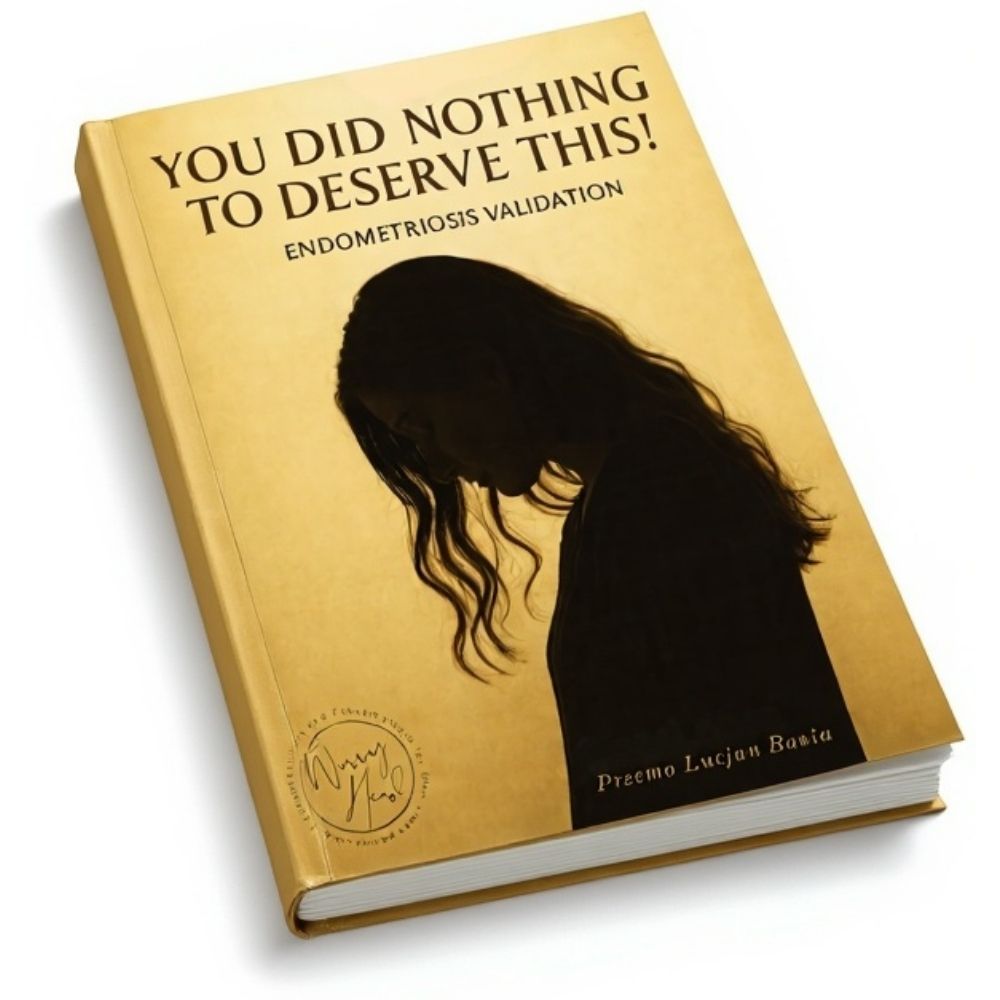
Distance can make the guilt of needing support feel particularly sharp. My free eBook, You Did NOTHING To Deserve This!, offers recognition for those feelings without asking you to become easier to love.
You Did NOTHING To Deserve This!
Endometriosis Validation for Women with Endo
What Endometriosis and Long-Distance Relationships Ask of Communication
Begin with the difference between being available and being attentive. A partner can leave a phone switched on all evening without understanding what would help. Another may be working but still follow through on a clearly agreed task.
The NHS recognises that endometriosis can affect everyday life and relationships. In a 2020 interview study, 22 women with moderate to severe endometriosis-related pain described fatigue affecting activities and relationships. That small qualitative study does not represent everyone or test a long-distance communication routine.
I am offering practical suggestions, not a method proven to improve symptoms. Endometriosis and long-distance relationships need arrangements shaped around the people involved. Different time zones, work and privacy at home can all affect what is realistic.
You might want company without having enough energy for a detailed conversation. Your partner might mistake a brief reply for anger when it simply reflects a difficult moment. Agreeing what a short message means can reduce that particular ambiguity.
A message such as “I care, but cannot talk tonight” is one possible starting point. It is not a compulsory script or a promise to explain later on demand. You can agree when to try again without setting a deadline for feeling better.
The person without endometriosis also needs realistic limits on availability. Naming those limits is more useful than promising to answer at any hour and repeatedly failing. Reliable contact should be something you can both sustain.
My wish to support my wife does not give me the right to fill every quiet moment with questions. I would want our arrangements to leave her feeling believed rather than watched. These are four decisions you can make together:
- Agree What Contact Means
- Offer Help from Where You Are
- Keep Privacy in the Agreement
- Leave Room for Ordinary Connection
Agree What Contact Means
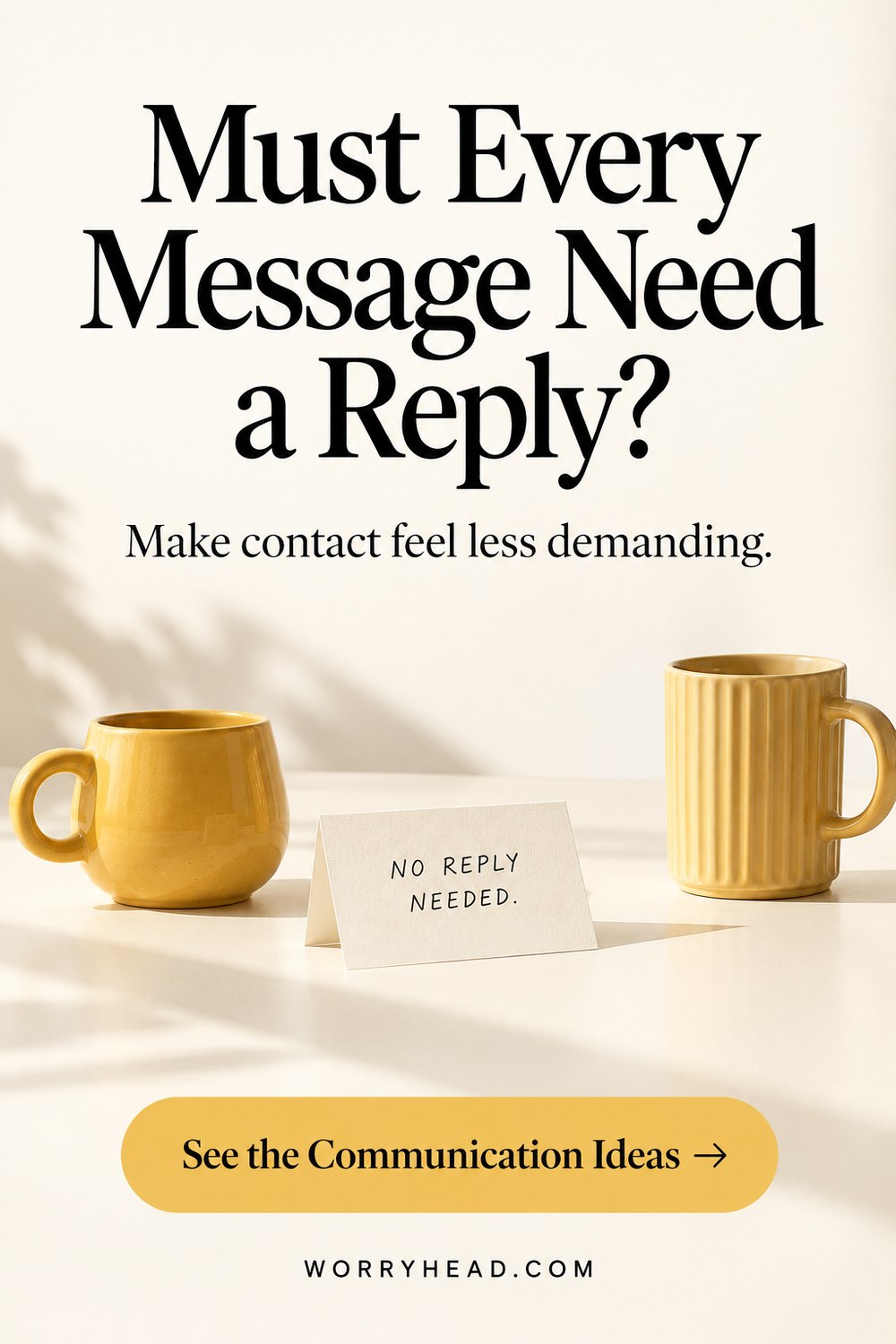
Decide whether a message needs an answer, invites one when possible or simply sends affection. You could explicitly say “No reply needed” when that is true. Avoid using those words and then becoming upset because your partner did not respond quickly enough.
Talk about a missed planned call separately from the everyday gaps between messages. Agree what you will do if someone cannot make it and how you will arrange another time. A delayed reply on its own cannot tell you someone’s medical condition or how much they care.
As a husband, I would rather say when I can listen than promise what I cannot deliver. Try a modest arrangement and ask whether it feels supportive. If contact feels like attendance-taking, change it together. Clear expectations should not become another task that illness can make you fail.
Offer Help from Where You Are
Ask which task could genuinely be done remotely before deciding that distance makes you useless. With permission, you might organise an agreed delivery, compare travel options or help turn appointment questions into a short list. Check costs, timing and preferences first; an unwanted surprise can create work.
Do not promise physical help that depends on reaching someone faster than you realistically can. If support nearby is needed, agree who is available and willing rather than assuming a friend will step in. My separate backup-care guide covers those arrangements in more detail.
I began researching because I wanted to understand and support my wife, but research only helps when it answers a need she actually has. The same applies from a distance. One completed, welcome task can be more useful than sending a stream of articles, asking for repeated updates or expecting her to organise your contribution while she is already tired.
Keep Privacy in the Agreement
Being a partner does not automatically grant access to symptom trackers, appointment letters, location sharing or photographs. Ask what your partner wants to share and for what purpose. A previous yes can change, especially if a tool begins to feel intrusive.
Video calls are an option, not a requirement to show that you are coping. Audio, a short message or postponing can all be reasonable choices. Likewise, intimate conversation or images should never become payment for a missed visit, an expression of gratitude or evidence that attraction is still there.
I want my wife to trust that her answer matters. If an arrangement reassures one person by removing the other’s privacy, reconsider it. Agree who else may receive an update and what can be said. Concern does not make private health information shared news, and kindness does not require availability for inspection.
Leave Room for Ordinary Connection
Ask whether your partner wants to talk about symptoms before making them the subject of every call. There can still be room for a television programme, a small frustration at work or an opinion that has nothing to do with health. Ordinary conversation does not require pretending the difficult parts are absent.
Choose an activity that can be stopped easily if concentration fades. You might listen to the same short piece of music, share something amusing or sit quietly on an audio call if both of you enjoy that. These are options to adapt, not routines you must maintain.
My wife values feeling needed and being herself beyond illness. I want support to leave space for that person, not reduce her to an update about pain. Notice whether the contact gives you both something welcome. A shorter, comfortable exchange may feel closer than a long call that one person is struggling to endure.
Making Visits Work Around Endometriosis and Long-Distance Relationships
A visit can carry pressure because time together feels scarce. Money spent on travel or weeks of anticipation can make changing plans emotionally difficult. Those feelings deserve a conversation, but they do not create an obligation to go out, have sex or hide symptoms.
With endometriosis and long-distance relationships, plan a quieter version of the visit before you need one. Discuss who travels, where rest is possible and what happens if either person must postpone. Avoid treating the trip as something the unwell partner has to repay with a perfect weekend.
My wife and I have lost parts of our social life to illness, and that has taught me to value what is possible without demanding a performance. I would want a reunion to make room for the actual person arriving, rather than an imagined version with unlimited energy. Ask what would feel good to share and what can wait.
If you need a plan for practical support nearby, my guide to backup care arrangements addresses that separate task. Urgent health concerns require local medical help, not waiting for a distant partner to answer a phone.
Conclusion on Endometriosis and Long-Distance Relationships
Distance can make love feel strangely visible and invisible at the same time. You can count messages, calls and days until a visit, yet none of those numbers tells the whole story of feeling supported. The question I would keep returning to is whether the way you stay in touch leaves both people feeling understood, with room to be honest about their limits.
Endometriosis and long-distance relationships do not need a rule that the most loving couple speaks for the longest time. They need a workable understanding of what contact means. A quiet evening may involve rest, work, a difficult symptom or simply having little to say. You can ask for reassurance without making the other person account for every minute they spend away from their phone.
From my place beside my wife, I have learned how much it matters to believe what she tells me. I do not need to see every hard moment for it to count. That principle can travel across distance too. A person can describe a need without providing a photograph, a full symptom diary or a convincing performance of being unwell.
For the partner who feels helpless, choose one useful commitment you can keep. Ask what would help, agree the details and follow through. Let your contribution be judged by whether it is welcome and useful, rather than whether it makes you feel indispensable. You can care deeply while acknowledging that some kinds of help must come from someone physically nearby.
For the person managing symptoms, there is no requirement to become an endlessly clear communicator before you deserve tenderness. You can be tired, uncertain or unable to explain much. A small agreement made on a more manageable day may help when words are harder, but it should remain flexible. You are not breaking a relationship rule because your body cannot follow a timetable.
Neither of you has to pretend that distance is easy. It can be disappointing to need a hug when a call is all that is possible. It can be frightening to hear that someone you love is struggling and know you cannot arrive quickly. Make space for those feelings without asking one partner to solve them by surrendering rest, privacy or ordinary life.
When you do meet, allow the visit to be human. The anticipation does not have to become an itinerary, and the journey does not have to be rewarded with a particular kind of intimacy. A relationship can include disappointment and adjustment without turning either person into the cause of everything that went differently from the plan.
Start with the next manageable conversation. Decide one thing about messages, one practical task and one way to enjoy each other’s company that leaves room to stop. Review the arrangement after you have tried it. Closeness can grow from being dependable in ways that fit your lives, rather than promising constant access that neither of you can honestly sustain.
You can change those agreements as your circumstances and support needs change.
You can build connection around your real lives, including pain, rest, work and the miles between you. Begin with one agreement that makes contact kinder and clearer. A relationship does not become less meaningful because support sometimes arrives through a brief message, a completed task or the patience to try another day.
You are welcome to leave a comment about what helps you feel connected across distance; my free 130+ page eBook, You Did NOTHING To Deserve This!, offers further understanding when needing support brings guilt.


About Me
Hi, I’m Lucjan! The reason why I decided to create this blog was my beautiful wife, who experienced a lot of pain in life, but also the lack of information about endometriosis and fibromyalgia for men…
READ MORE
Grab a FREE eBook!
“You Did NOTHING To Deserve This!”
Finally hear the words nobody ever said to you, that your pain is real, your tears make sense, and you did nothing to deserve endometriosis, the dismissal, or the way it has rewritten your life.
Related Questions You May Be Asking About Endometriosis And Long-Distance Relationships
1. How Often Should We Check In?
There is no universal number that fits every couple. Discuss work, time zones, energy and how much contact feels welcome. Agree what a planned check-in means and how to change it. Review the arrangement together if it becomes burdensome or leaves someone uncertain, rather than treating a particular frequency as proof of commitment.
2. What If Video Calls Are Too Tiring?
You can choose audio, a shorter call, messages or another time. Being visible on camera is not necessary to demonstrate affection or make symptoms believable. Say which form of contact feels manageable, when you can. A partner can offer options without expecting you to stay on a call that has become difficult.
3. Should We Share a Symptom Tracker?
Only if the person whose health is being recorded wants that arrangement. Discuss what is shared, why and who can see it, then revisit consent. Sharing may be useful for some couples and unwelcome for others. A tracker is not a substitute for listening, and access should not become a condition of trust.
4. What If We Cannot Afford Frequent Visits?
Be honest about the limit before making promises or spending money you cannot comfortably spare. Discuss contact and practical support that fit your circumstances. A visit can matter without becoming the only evidence of love. Neither person should have to apologise for a financial reality or compensate by being constantly available online.
5. When Might We Need More Support?
Consider speaking with an appropriate healthcare professional or relationship counsellor if recurring conflict, distress or unmet needs are becoming hard to manage. Endometriosis UK discusses support for couples, but it cannot solve every situation. If essential practical help is unavailable locally, address that gap separately; frequent messages cannot replace hands-on assistance.
Endometriosis And Long-Distance Relationships References
- https://www.nhs.uk/conditions/endometriosis/
- https://pubmed.ncbi.nlm.nih.gov/32377820/
- https://www.endometriosis-uk.org/resources/endometriosis-and-couples
