Acute vs Chronic Pain With Endometriosis (Last updated 25 November 2026)
What is the difference between acute and chronic pain when the pelvic pain you have lived with for years suddenly changes on an ordinary morning? You may know your usual ache very well and still feel unsure about this episode. My wife’s experience taught me how little the word chronic tells a partner about what needs to happen today.
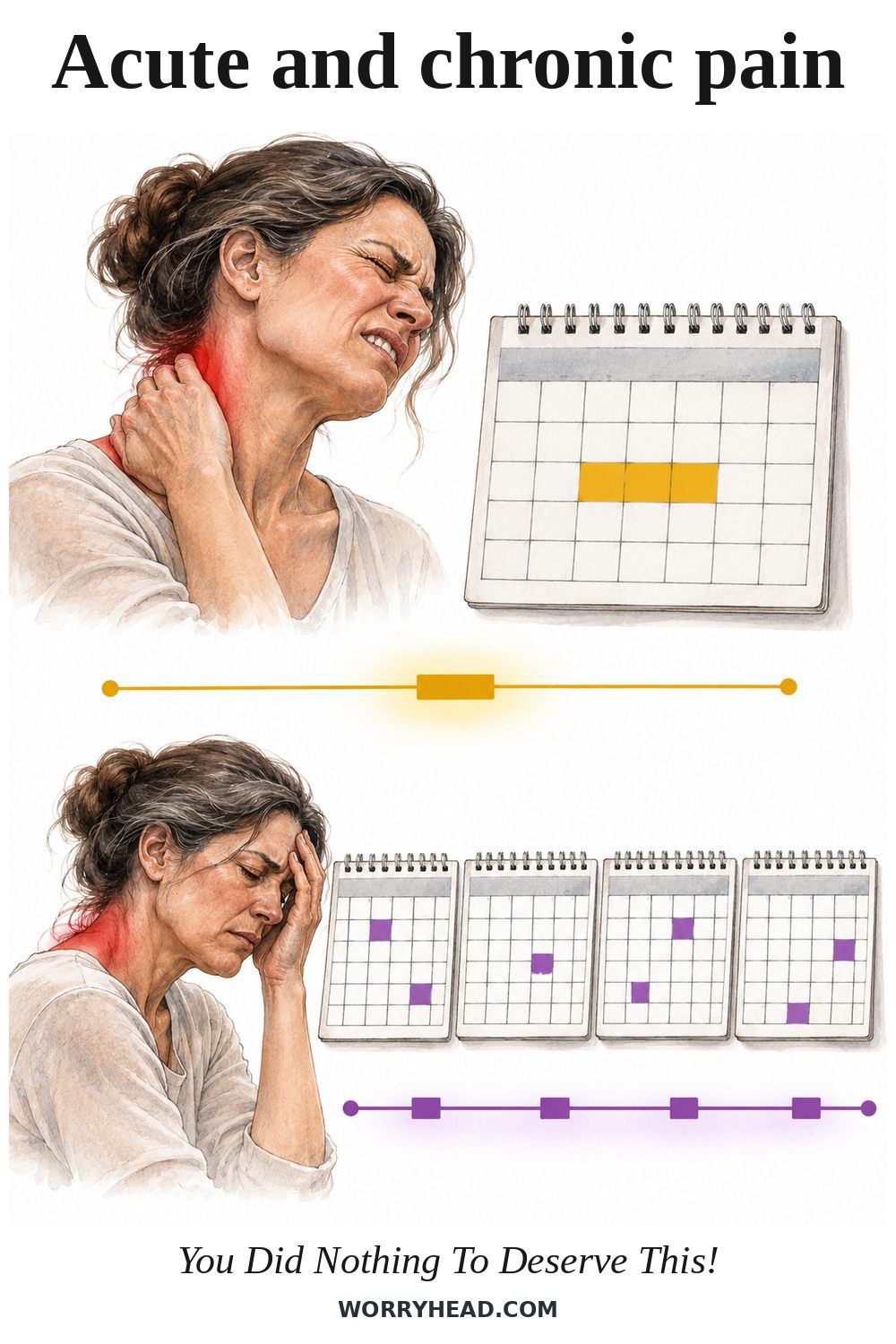
Acute pain is new or short term. Chronic pain persists or recurs for more than three months and can include days with little pain. Endometriosis can cause persistent or recurring pelvic pain, but a new, severe or worsening episode needs assessment on its own terms, even if you have a diagnosis.
I’m M’s husband and write from what we have lived through together, with the NHS and NICE sources behind the medical details listed below.
Knowing which symptoms can occur with endometriosis helped me ask better questions when M’s pain changed, particularly when it interrupted something she usually managed.
My wife was a professional dancer. When pain altered how she could move, there was a whole part of her life inside the word ‘pain’ that a clinician or colleague could never have guessed. She was experiencing it. I was learning how to listen to what was different that day.
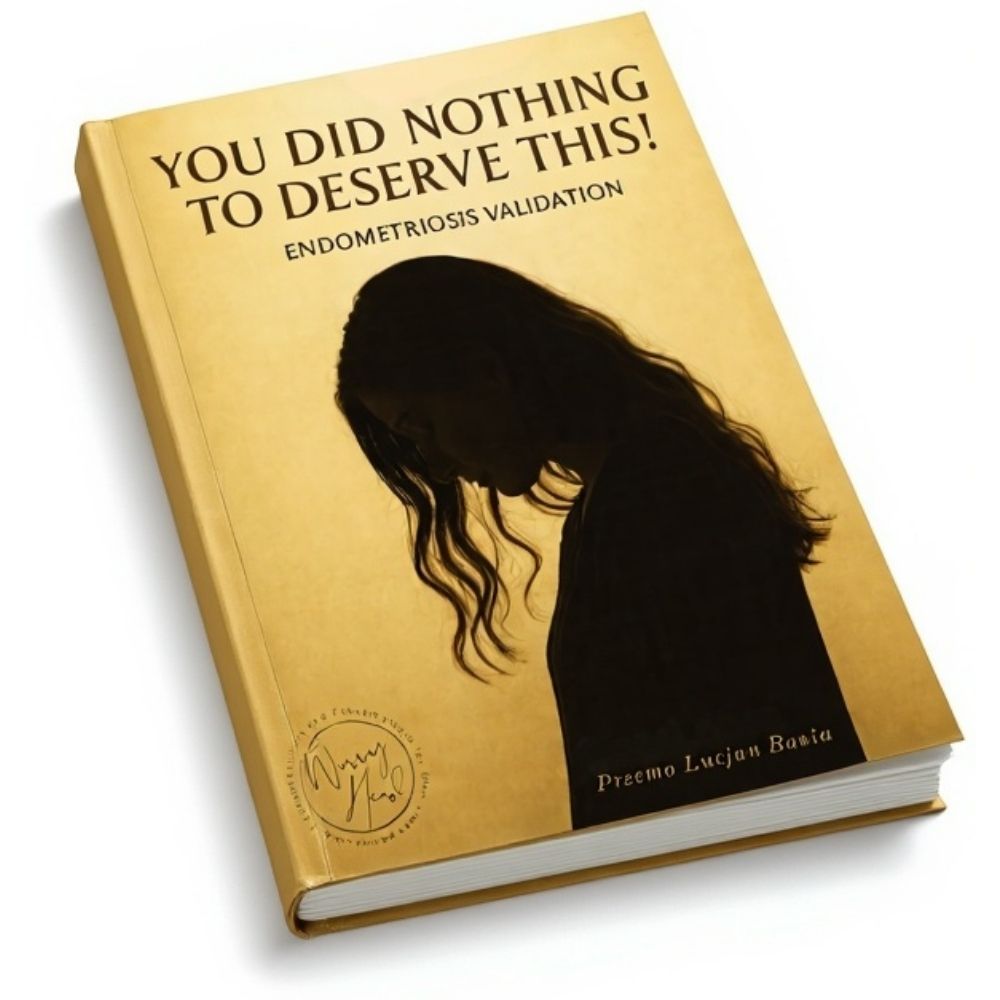
If you have felt dismissed because somebody has heard about your pain before, my free 130+ page eBook, You Did Nothing To Deserve This!, is for you.
You Did NOTHING To Deserve This!
Endometriosis Validation for Women with Endo
- What Acute and Chronic Pain Tell You About Endometriosis
- Eight Details Worth Taking to an Appointment
- When to Seek Medical Help for Pelvic Pain
- Supporting Someone Who Lives With Pain
- How the Same Pain Score Can Describe Two Different Days
- When People Call Pain a False Alarm
- Questions to Ask Your Doctor
- Final Word on Acute and Chronic Pain
- You Did NOTHING To Deserve This!
- FREE eBook
What Acute and Chronic Pain Tell You About Endometriosis
The words acute and chronic describe the course of pain over time. A sharp pain can have been returning for years. A dull ache that started this morning can be acute. Whether the pain should be assessed urgently depends on what is happening now, the other symptoms and the person’s circumstances. Its name alone cannot settle that decision.
NICE describes chronic pain as pain that persists or recurs for more than three months. Notice the word recurs. You can have pain-free intervals and still have a persistent pattern that deserves attention. A GP can also assess symptoms well before three months. There is no reason to wait for the calendar to reach a threshold before asking for help.
There can be two stories in the same body. One is the pattern you recognise, perhaps a deep ache at certain times of your cycle or pain on opening your bowels during your period. The other might be a sudden new pain on one side that makes it difficult to move. Tell the clinician both stories. Saying “I have chronic pelvic pain, and this feels different” is a useful starting point.
I used to ask my wife how bad the pain was. I still think that question has a place. But asking what she had planned to do before it started often helped me understand the decision in front of us. Finishing a journey, sleeping or getting out of the bath are different problems, even if all three happen with the same pain score.
There is a detail about timing that confused me when I first read the guidance. NICE uses more than three months for chronic pain in general. You may also see six months in information specifically about chronic pelvic pain, including the NHS pelvic pain page. These are definitions used in different contexts. Neither is a reason to wait if pain is disrupting your life, and neither sets the threshold for emergency care.
If you have already been seen and you are unsure what the clinician meant by ‘chronic’, ask what that word changes about the plan. Will they investigate a cause, review an existing treatment, offer a referral or make an appointment to reassess? A definition can help organise care, but a label alone leaves the patient with all the work of deciding what to do tomorrow.
Eight Details Worth Taking to an Appointment
- Where you first felt the pain.
- How quickly it changed.
- What happens between episodes.
- The activity you had to give up.
- Other symptoms that came with it.
- Any pattern around bleeding.
- What you tried and what happened.
- The question you need answered today.
Where It Started
Describe the place in your own terms. You can point low in the abdomen, describe a deep sensation behind the vagina or explain that the discomfort is across the lower back. If you cannot point to one spot, say so. A hand spread across a wider area tells a different story from a fingertip over one particular place.
A map shows where you feel pain. It cannot identify the tissue responsible, establish the stage of endometriosis or rule out another condition. My wife’s own account carries more weight than my attempt to label the anatomy. If you are accompanying someone, ask whether they would like to point to the area themselves before you tell the clinician where you think it hurts.

How Fast It Changed
Was the change sudden enough that you can remember what you were doing at that moment, or did the ache build while you were at work? If it built over the day, describe when it first interfered with something you wanted to do. Those details are often easier to recall than the exact minute the sensation began.
You might be able to say, “I was comfortable enough to walk to the station, but halfway home I needed to stop twice.” That is more useful than looking back and trying to produce a perfectly precise number. If the pain is severe, getting worse or associated with the NHS emergency signs below, seek help promptly instead of trying to complete a diary.
What Happens Between Episodes
If you have a background ache, say how it feels on an ordinary day and how far this episode departs from it. If you usually feel well between attacks, that is worth saying too. The phrase “I have had it for two years” may otherwise leave a listener imagining constant pain when you meant pain that returns each month.
People often save appointments for a day they can physically manage the journey. That can mean sitting in front of a clinician on a quieter day and finding it hard to describe the one that prompted the call. One short written example can bridge that gap. A good day at an appointment does not cancel a difficult pattern at home.
The Activity You Lost
My wife’s dancing gave me a way to understand function beyond the word exercise. She had skills she had worked for and a way of expressing herself through movement. If an appointment only recorded that she could walk into the room, it would miss what she had lost. Ask yourself which ordinary activity would make next week meaningfully better for you.
Perhaps it is being able to sit through a work meeting, hold your child comfortably, use the toilet without dreading it or get enough sleep to think clearly in the morning. Two people with similar pain scores can choose completely different goals. Your clinician can discuss options more usefully when they know which part of daily life you are hoping to change.

The Other Symptoms
Tell the clinician about bleeding, changes when you pass urine or open your bowels, nausea or fever if any are present. Mention possible pregnancy even if you already have a history of endometriosis. Pelvic pain has several possible causes. The person assessing you may need to consider urinary, bowel or gynaecological conditions as well as your established diagnosis.
It is okay to say you do not know whether two symptoms are linked. “The pain woke me on Monday. I noticed bleeding on Tuesday” is good information without a theory attached. If something feels embarrassing, you can write it down and hand over the note. A partner can help you prepare it and still wait outside for that part of the conversation.
The Cycle, if Relevant
Pain may follow a cycle, happen on most days or show no pattern you can recognise. A period app can be convenient, but a line on paper is enough. Record the date of the pain and whether bleeding had started if that is relevant to you. If you do not have predictable periods, describe the timing you actually experience.
The purpose of the record is to make an appointment easier for you. It is reasonable to stop using a diary that has become one more exhausting obligation. One example from a difficult day and one from an easier day can tell a useful story. Do not wait for another cycle to seek care if you are worried today.
What You Have Tried
Bring the names of medicines you use if you can, including things bought without a prescription. Say what changed afterwards. “I could fall asleep, but I felt too drowsy to travel in the morning” explains a trade-off that the words “it worked” leave out. A pharmacist can help with questions about side effects or interactions.
Decisions about treatment depend on the cause of pain, your preferences and your other health needs. NICE distinguishes chronic primary from chronic secondary pain and has separate guidance for endometriosis. Advice for one diagnosis cannot automatically be applied to another. Discuss changes with the prescriber, especially before suddenly stopping regular medication.
What Needs an Answer Today
You can go into a consultation with several years of history and one immediate question. Say which question matters most. It might be whether this change needs an examination, what to do if the pain returns overnight or whom to contact while waiting for a specialist appointment. Give yourself permission to ask for the plan in plain language.
If someone accompanies you, agree beforehand whether they are there to remember the answer or to add something they observed. You may want both. You may want neither. When pain makes it hard to concentrate, having the next step written down can spare you the effort of reconstructing the conversation on the bus home.

When to Seek Medical Help for Pelvic Pain
With pelvic pain, the NHS advises emergency help if the pain is severe, is getting worse or hurts when you move or touch the area. Other emergency signs include feeling faint or dizzy, passing out, difficulty breathing, shoulder-tip pain, confusion or heavy vaginal bleeding. In the UK, call 999 or go to A&E. Someone who is faint or very unwell should not drive themselves.
Other combinations warrant urgent advice, including pelvic pain with possible pregnancy, fever or shivering, vomiting, unusual vaginal bleeding or discharge, or difficulty passing urine or opening the bowels. Contact NHS 111 for urgent advice where appropriate. If emergency signs are present, use the emergency route. The NHS pelvic pain page in the references gives the full current guidance.
For persistent pain that is affecting your life, ask your GP about assessment even if you have been seen before. NICE advises that a normal examination or ultrasound cannot rule out endometriosis. A review can look at symptom relief, whether further investigation or referral is appropriate, and what changes should bring you back sooner.
The two messages belong together. You deserve ongoing care for longstanding symptoms, and you deserve a fresh assessment when something changes. Being able to recognise a familiar flare can be reassuring. It must never make you feel that a different problem is something you are obliged to put up with alone.
Supporting Someone Who Lives With Pain
When a partner says the pain is different, start there. “What feels different this time?” is a better question than “Are you sure it isn’t just your usual pain?” The first lets the person describe what they have noticed. The second asks them to overcome your doubt before either of you can think about what help is needed.
I had to learn that attending a dance class was not just an activity on a calendar for my wife. It was time with people, confidence in movement and part of who she was. A practical goal might be getting her comfortably to an event she chooses or supporting her decision to go home. She gets to decide what matters enough to spend energy on.
On days when tasks have to change, a specific offer often helps. You can organise the lift, handle the shopping or move the chairs so the person can choose where to sit. Ask before applying pressure, stretching a painful area or trying something somebody recommended online. The same person may want company one day and quiet the next.
There is room for emotional support as well as investigation and treatment. My wife waited months for support with anxiety, and the therapy she later received addressed particular difficulties she faced. Talking about the effects of pain on sleep, mood or relationships should add to physical care. It is never a reason to dismiss a new physical symptom.
How the Same Pain Score Can Describe Two Different Days
Imagine two entries from a diary. On Monday, a person writes “six out of ten, familiar deep ache, had to lie down after the school run”. On Thursday they write “six out of ten, new pain on one side that started suddenly, feeling faint”. The number is the same, but the second account includes an emergency warning sign. The difference between those notes is exactly why a score on its own cannot tell a partner whether to make tea, ring the GP or get emergency help.
Now imagine pain developing more gradually. Three months ago you could sit at your desk for an hour before you needed to change position. Today you find yourself standing up after ten minutes, and the discomfort carries on into the evening. This change deserves discussion even if your worst pain score has stayed the same. At the appointment, saying what the day looked like then and what it looks like now can make the trend much easier to see.

Another example is a recurrent pain that disappears between periods. A person may be entirely comfortable when the GP examines them. They can nevertheless describe the last three periods, the work they missed and the extra time they needed for a bowel movement. This history gives the clinician something to investigate. It is reasonable to ask what options are available now and what the next step will be if the same thing happens again.
A carer’s entry has a different role from a patient’s entry. “We left dinner before the food arrived” is something a partner can accurately document. “Her pain must have been eight out of ten” is an interpretation only the person in pain can confirm. Leave her words in quotation marks if she wants them recorded, and keep your own observations in a separate sentence. At a visit, let her decide whether any of that information is shared.
When People Call Pain a False Alarm
I would be careful using that phrase with anyone who has spent years trying to explain pain. Pain is a real experience. Sometimes an examination or scan identifies a problem that helps explain it. Sometimes the findings do not account for everything the person feels. An inconclusive result is information about the limits of that assessment. It cannot tell you how hard it was for your partner to get out of the car.
A particularly difficult moment comes when reassuring test results and disabling symptoms arrive in the same week. You can be relieved about what was ruled out and still ask what remains possible. A useful question is, “Which conditions did this test look for, and what do we do about the pain while we decide whether anything else needs checking?” It is fair to leave with a plan even when you leave without a final answer.
My original article mentioned books we read while M was waiting for therapy. I have kept the covers because they were part of that period in our lives. Reading gave me a quieter way to think about how I reacted to her distress. It did not diagnose her pain, change the need for treatment or make her responsible for getting better by thinking differently.

A book someone recommends may be helpful, irritating, too much to take in or simply irrelevant to the thing you are worried about. If you are the partner, you could read it yourself before adding another task to the patient’s day. Tell them one thing you learnt only if they want to hear it. What matters next is whether it helps you listen or makes you think you know more than the person who lives in that body.
There are days when a conversation about pain needs to end so the rest of life can begin again. Agreeing who will phone the surgery or collect the prescription can free up an evening for something else. A diagnosis can require real work from a household. It need not occupy every hour that the household has together.
A short description can also help when someone else is making the call for you. Tell them which words you want them to use and what has changed since the last appointment. If you are able to speak for yourself, you can ask them to hand the phone back when the clinician wants to hear how the pain feels. It is easy for a partner to remember the time you left the house and still miss the detail you most wanted to mention.
Questions to Ask Your Doctor
You may want to ask what the three-month definition means in your situation and whether the clinician thinks there is an underlying cause that needs more investigation. If you already have endometriosis, ask which symptoms fit the pattern and which changes would make them consider something else. You are allowed to ask how a conclusion was reached.
If a medicine, physical therapy or another option is suggested, ask what improvement you might reasonably look for and when to review it. The meaningful outcome may be comfortably getting to the shops rather than a particular score. Ask about potential side effects, how other health conditions affect your options and who to contact before making changes.
Before you leave, ask where the plan is recorded and what happens if things get worse while you wait. A partner can note an appointment date or help organise transport if you want that. You should both know who is taking the next step rather than each going home assuming that somebody else will arrange it.
Final Word on Acute and Chronic Pain
I can remember my wife as a dancer and still need her to tell me how walking feels today. The past gives me context. It does not give me permission to decide what a new pain means. If she tells me something feels different, my job is to listen and help her get the care she wants or urgently needs.
If the word chronic is written in your notes, it describes time. It says nothing about how well you are coping or how much support you deserve this afternoon. An account of one ordinary task can be a powerful way to begin the next conversation.
For the wider picture, my guide to the basics of endometriosis brings together symptoms, diagnosis and treatment.
Related Questions You May Be Asking About Acute and Chronic Pelvic Pain
1. Does chronic pain have to be there every day?
No. NICE includes pain that persists or recurs for more than three months. A recurring pattern can leave days or weeks when you feel better. Tell the clinician about the intervals as well as the episodes, including whether you return to your usual activities or still need time to recover afterwards.
2. Does acute mean that the pain is severe?
Acute refers to the onset or short-term course of the pain. Severe describes the intensity. A new pain can be mild, and longstanding pain can be severe. A sudden change, how unwell you feel and symptoms such as faintness or heavy bleeding can change how urgently you need assessment.
3. Should I wait three months to ask for help?
No. The time threshold is part of a definition and is never a waiting requirement for care. If pain is affecting daily activities, worrying you or repeatedly bringing you back for help, contact a clinician. Severe or worsening pelvic pain, or pelvic pain with emergency signs, needs urgent emergency assessment.
4. Can a chronic pain flare have a new cause?
Yes. Someone with persistent pelvic pain can also develop another condition. A new location, a different onset, possible pregnancy or new symptoms such as fever or bleeding are important to mention. You can describe what usually happens and what has changed without needing to identify the cause yourself.
5. Is shooting pain always nerve damage?
A shooting or burning sensation is useful information, but a description alone cannot establish nerve damage or identify a particular nerve. Say where it starts, where it travels, what brings it on and whether you have new weakness or numbness. Ask your clinician what needs assessing in your particular case.
Acute and Chronic Pelvic Pain References
- NICE guidance on assessing chronic pain
- NICE guidance on endometriosis and referral
- NHS pelvic pain and emergency signs
- NHS overview of endometriosis


About Me
Hi, I’m Lucjan! The reason why I decided to create this blog was my beautiful wife, who experienced a lot of pain in life, but also the lack of information about endometriosis and fibromyalgia for men…
READ MORE
Grab a FREE eBook!
“You Did NOTHING To Deserve This!”
Finally hear the words nobody ever said to you, that your pain is real, your tears make sense, and you did nothing to deserve endometriosis, the dismissal, or the way it has rewritten your life.
