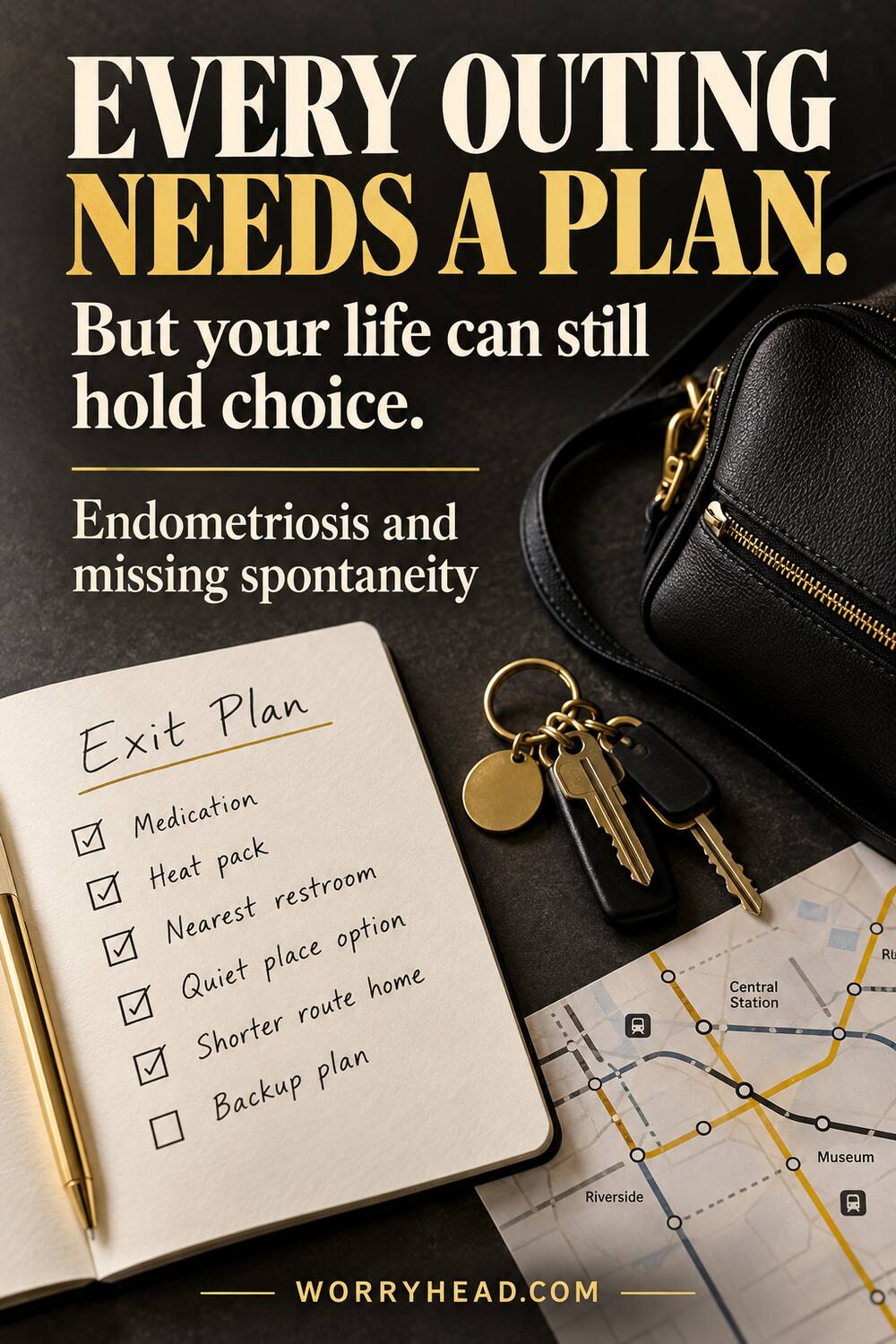
Endometriosis and Missing Spontaneity: Grieving the Freedom to Just Go
Do you remember when an invitation could be answered with shoes on and a quick yes? Endometriosis and missing spontaneity can make even a small outing feel like a project plan. The grief is not only about cancelled events; it is about losing the easy freedom to decide and go.
Endometriosis and missing spontaneity can create real grief because ordinary outings may require symptom checks, toilets, transport, rest and a way home. Flexible plans, low-pressure invitations and honest exit options can preserve choice, but they cannot erase the loss of simply being able to go.
I write as a husband, blogger and researcher, not a clinician; years of learning began with my wife’s experience, and I list the NHS, WHO, ESHRE and qualitative research genuinely used for health context at the bottom.
When you are missing your old life with endometriosis, part of that grief may be the freedom to act before pain, access and recovery have been calculated. Planning can protect your options, but it does not make that loss imaginary or trivial.
My wife and I lost much of the dancing life that once mattered to us, including the career she had built around dance. Our social world became smaller too, and some friends turned away. I will not turn those losses into a universal endometriosis story, but they shape why I understand spontaneity as more than a scheduling preference.
This article offers ways to keep choice and connection alive without pretending planning is the same as freedom. It does not tell you which activity is medically safe, and it cannot replace advice from a clinician or other qualified professional who understands your symptoms and other conditions.
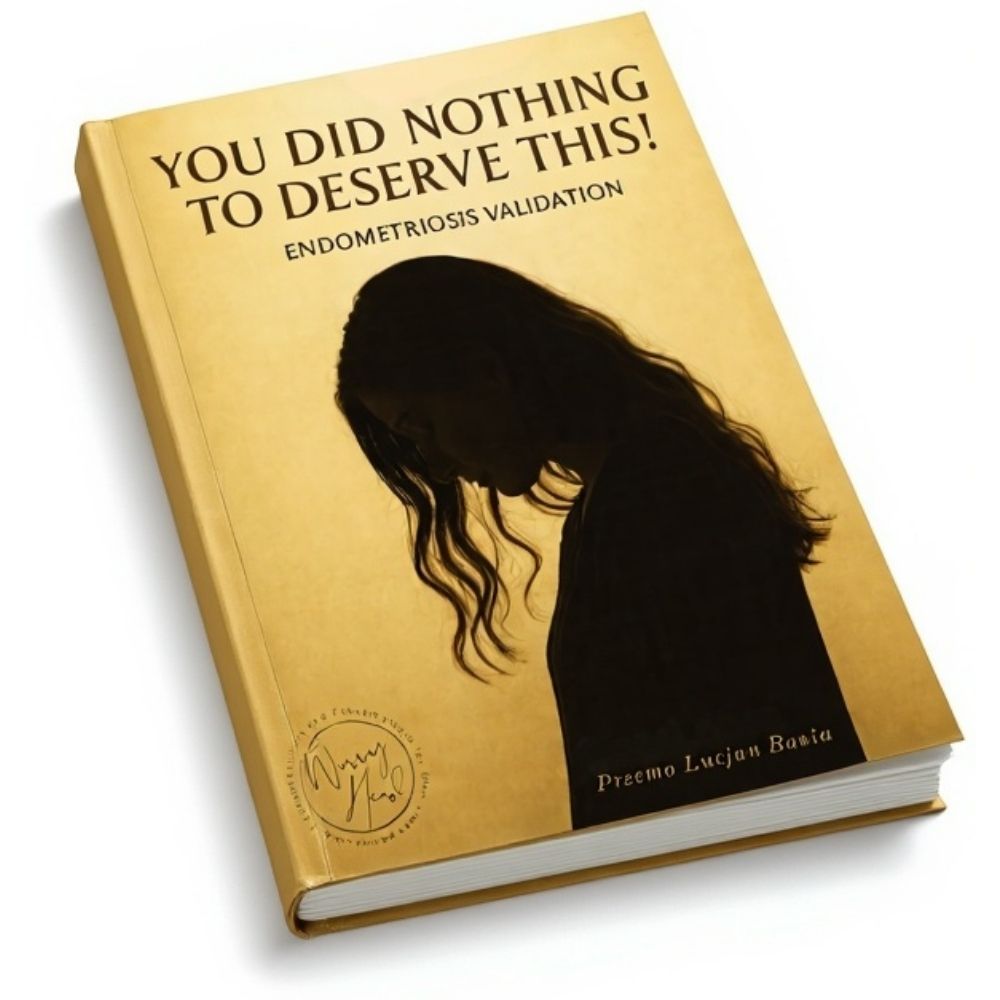
If the words “maybe next time” have begun to sound like a life sentence, my free eBook, You Did NOTHING To Deserve This!, offers companionship for the grief underneath. It makes no promise to restore a former life; it simply refuses to blame you for what illness changed.
You Did NOTHING To Deserve This!
Endometriosis Validation for Women with Endo
- Why Endometriosis and Missing Spontaneity Can Feel Like Losing Freedom
- Keep Small Choices Alive with Endometriosis and Missing Spontaneity
- Plan Lightly Around Endometriosis and Missing Spontaneity
- For Partners, Endometriosis and Missing Spontaneity Needs Gentle Invitations
- Make Room for Grief Around Endometriosis and Missing Spontaneity
- Conclusion on Endometriosis and Missing Spontaneity
- You Did NOTHING To Deserve This!
- FREE eBook
Why Endometriosis and Missing Spontaneity Can Feel Like Losing Freedom
Spontaneity hides a web of assumptions: that pain will stay manageable, energy will last, toilets will be available, travel will be possible and recovery will not consume tomorrow. When those assumptions stop being safe, a ten-minute decision can acquire hours of preparation and consequence.
WHO describes endometriosis as a chronic disease that can affect mental health, work, relationships and quality of life. The NHS lists pain, fatigue and pain during or after sex among possible experiences. These realities help explain the planning burden, while still leaving each person’s pattern different.
The loss can be hard to name because careful planning may look like competence. Other people see the packed bag and the route; they may not see the calculation behind them. You can be proud of your adaptation and still resent that ordinary freedom now has an administrative cost.
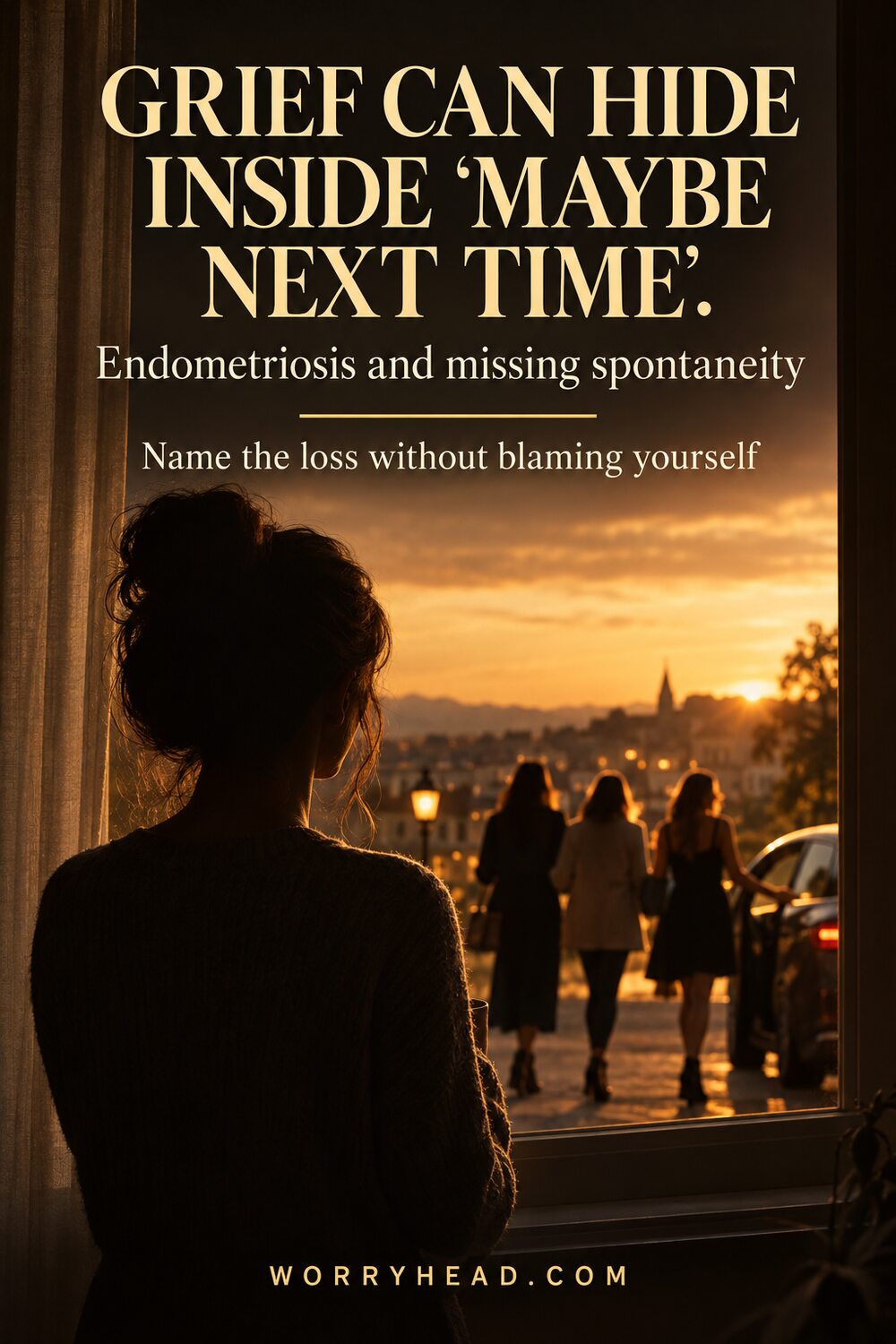
Grief does not mean you are refusing the present. It may mean the former ease mattered. Naming it can stop every declined invitation from being treated as a personal failure or a problem that better organisation should solve.
A narrow focus on attendance can miss the deeper loss. You may still be included, loved and technically able to join, yet miss the unplanned version of yourself who did not need contingency plans. That distinction matters because belonging does not automatically restore bodily freedom.
Keep Small Choices Alive with Endometriosis and Missing Spontaneity
Spontaneity may need a smaller frame. A ten-minute walk, a takeaway chosen on the day or music in the kitchen can preserve the feeling of an unscripted choice without demanding an entire evening. The value comes from deciding freely, not from making the activity impressive.
Build a short list of low-preparation options for different levels of capacity. This is not another task to optimise your illness. It simply reduces the thinking required when a small window opens. Include the option to stop early so saying yes does not become a contract to finish.
My wife’s health picture includes adenomyosis, fibromyalgia, ME, chronic fatigue and iron-loss anaemia as well as endometriosis. A flexible idea that works once may not work next time. I have learned that the invitation must remain genuine even when the answer changes after we start.
Keep “nothing today” on the list. If every better moment must be converted into an experience, spontaneity becomes another performance demand. Freedom includes the right to let a window pass without proving you used it well.
If an activity carries medical, mobility or safety questions, use advice specific to you. A general article cannot assess whether movement, travel, heat, medication or food is suitable in your circumstances.
Plan Lightly Around Endometriosis and Missing Spontaneity
A light plan protects essentials without scripting the whole day. Ask what would make leaving possible, what would make returning easy and which part can be changed. Often the exit route matters more than a detailed timetable because it turns participation back into a choice.
Consider transport, seating, toilets, food, medication as prescribed, clothing, money and recovery time only as they apply to you. The list is not a standard every person must complete. It is a prompt to remove predictable barriers without assuming every symptom can be controlled.
Use invitations that stay warm after a no. “We would love you there; tell us on the day” protects connection better than pressure disguised as encouragement. People can make their own practical arrangements while leaving the relationship open.
When our social life shrank, the hardest part was not only missing events. It was feeling that repeated changes made us harder to include. A flexible friend does not need to understand every symptom; they need to believe the limit and avoid punishing honesty.
Let plans have branches rather than a pass-or-fail outcome. You might join later, leave sooner, participate from home or choose another date. A branch does not recreate the old ease, but it can prevent one symptom change from erasing all connection.
Tell hosts which flexibility genuinely helps instead of accepting every adaptation out of politeness. A remote option, nearby seat or open departure time may help; a busy replacement activity may not. Access works best when it follows the person rather than the helper’s guess.
Keep a small amount of preparation ready only if it reduces pressure rather than creating it. A charged phone, familiar route or brief list may help some people. If maintaining an emergency-ready bag starts to feel like another standard you can fail, simplify it or leave it alone.
For Partners, Endometriosis and Missing Spontaneity Needs Gentle Invitations
Partners can accidentally turn spontaneity into a test: “Let us just go and see what happens.” The phrase sounds freeing only when the possible consequences are shared. Ask what uncertainty means for the person whose body may carry the pain and recovery.
I miss parts of our old life too, including dancing and the future we once imagined. Those feelings are mine to express responsibly, not evidence my wife should override her body to protect me. Love cannot require her to reproduce a past that illness changed.
Keep inviting without making every invitation emotionally expensive. Give enough information, make refusal safe and avoid sighs, bargaining or a running count of missed occasions. A low-pressure invitation says, “You still belong,” even when attendance is uncertain.
Partners should also name their own needs without blame. You can arrange some activities independently, ask for shared time in a lower-demand form and talk about disappointment when neither person is already overloaded. Honest adjustment protects closeness better than silent resentment.
Do not surprise someone with an activity that requires physical exertion, travel or disclosure. Surprise can still exist in a favourite drink, a film choice or a note; consent and access matter more than recreating a social-media version of romance.
Make Room for Grief Around Endometriosis and Missing Spontaneity
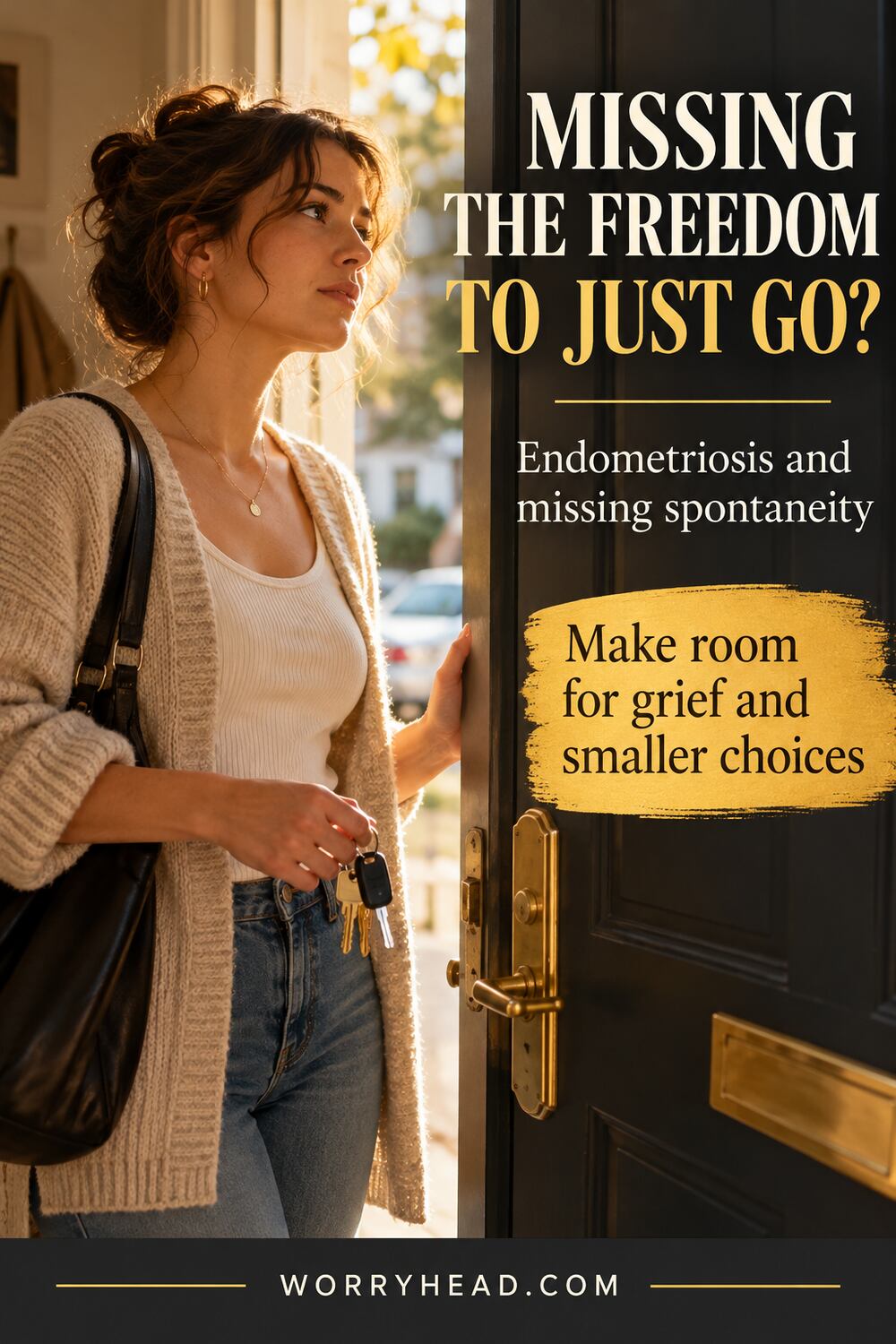
Some losses cannot be solved by a better bag or a flexible booking. You may miss being carefree, trusting your body, staying out late or accepting an invitation without checking the calendar. Practical tools help with participation; grief needs acknowledgement.
Notice which comparison hurts most. Is it the former you, friends who can decide at the last minute or a partner who can leave without calculating? The answer can point to the need underneath—identity, inclusion, rest, fairness or reassurance—without making that need shameful.
Writing became an informally therapeutic way for me to focus and share what I was learning. It is not clinical treatment, and it does not remove our losses. It gives me somewhere honest to place them so they do not all arrive as frustration inside our marriage.
If grief, isolation, low mood or anxiety is becoming hard to carry, speak with a qualified professional or trusted support service. You deserve help that takes both the medical condition and the emotional consequences seriously.
A planned life can still contain surprise, humour and closeness. It is also reasonable to mourn that these things now need scaffolding. Hope becomes kinder when it does not demand denial.
You may also notice anger when someone praises how organised you have become. They may mean well, while you hear the cost behind the competence. You can accept the kindness and still say that constant preparation is tiring. Adaptation deserves recognition without being romanticised.
Conclusion on Endometriosis and Missing Spontaneity
Missing spontaneity is missing a form of freedom. Smaller choices, light plans and safe exit routes can preserve agency, while honest grief acknowledges what those adaptations cannot replace. You do not have to call the loss a blessing to build a meaningful present.
If you would like, share in the comments one low-pressure spontaneous choice that still feels possible, without posting private medical details. For the days when careful planning feels like proof that life has become your fault, my free eBook, You Did NOTHING To Deserve This!, offers a compassionate final word.
About Me
Hi, I’m Lucjan! The reason why I decided to create this blog was my beautiful wife, who experienced a lot of pain in life, but also the lack of information about endometriosis and fibromyalgia for men…
READ MORE
Grab a FREE eBook!
“You Did NOTHING To Deserve This!”
Finally hear the words nobody ever said to you, that your pain is real, your tears make sense, and you did nothing to deserve endometriosis, the dismissal, or the way it has rewritten your life.
Related Questions You May Be Asking About Endometriosis and Missing Spontaneity
Can Life Still Feel Spontaneous with Endometriosis?
Sometimes, but spontaneity may become smaller or conditional. Choose low-preparation options, keep an exit route and let changing your mind remain part of the plan rather than proof that the attempt failed.
How Can Friends Include Me Without Pressuring Me?
They can offer clear information, allow a late answer, keep refusal emotionally safe and continue inviting you. Inclusion means your relationship remains welcome even when symptoms make attendance uncertain.
Is It Normal to Grieve the Freedom I Had Before Endometriosis?
Grief can be an understandable response to changes in activity, identity, relationships and future plans. If it becomes overwhelming or persistent, seek support from a qualified professional who can consider your individual circumstances.
Endometriosis and Missing Spontaneity References
- https://www.nhs.uk/conditions/endometriosis/
- https://www.who.int/news-room/fact-sheets/detail/endometriosis
- https://www.eshre.eu/Guideline/Endometriosis
- https://pubmed.ncbi.nlm.nih.gov/37341349/
- https://pubmed.ncbi.nlm.nih.gov/26679773/
Sources checked on 23 October 2026. NHS, WHO and ESHRE provide current health and quality-of-life context; the cited qualitative research describes loss of liberty, connection and couple-level disruption. Activity suggestions are optional reflections, not medical advice.
