
Endometriosis and Needing Space: Asking for Quiet Without Pulling Away
Have you ever wanted your partner nearby and also wished they would stop asking questions for a while? Endometriosis and needing space can sit together without meaning that you want less love. You may simply need support that leaves you room to rest, think or be quiet without managing another conversation.
Wanting quiet or time alone during an endometriosis flare does not mean you are rejecting your partner. Explain what space means today, what help you still want and how you will reconnect. Your preferences can change, and they should sit alongside any care instructions your clinical team has given.
I come to this as a husband, blogger and researcher whose years of learning began with my wife’s experience, rather than as a clinician; the NHS and specialist charity sources I used for health and relationship context are collected at the bottom.
Space is an imprecise word. To you it might mean a quiet room while your partner handles dinner. To them it might mean leaving the house or stopping all contact until you speak first. Neither person has to be uncaring for that misunderstanding to happen. A few specific choices can make the request easier to understand.
From my side as a husband, I want care to fit the person receiving it. Staying close is not automatically helpful, and stepping back is not automatically abandonment. The useful question is what my presence is doing for you in this moment, rather than whether it matches my picture of being supportive.
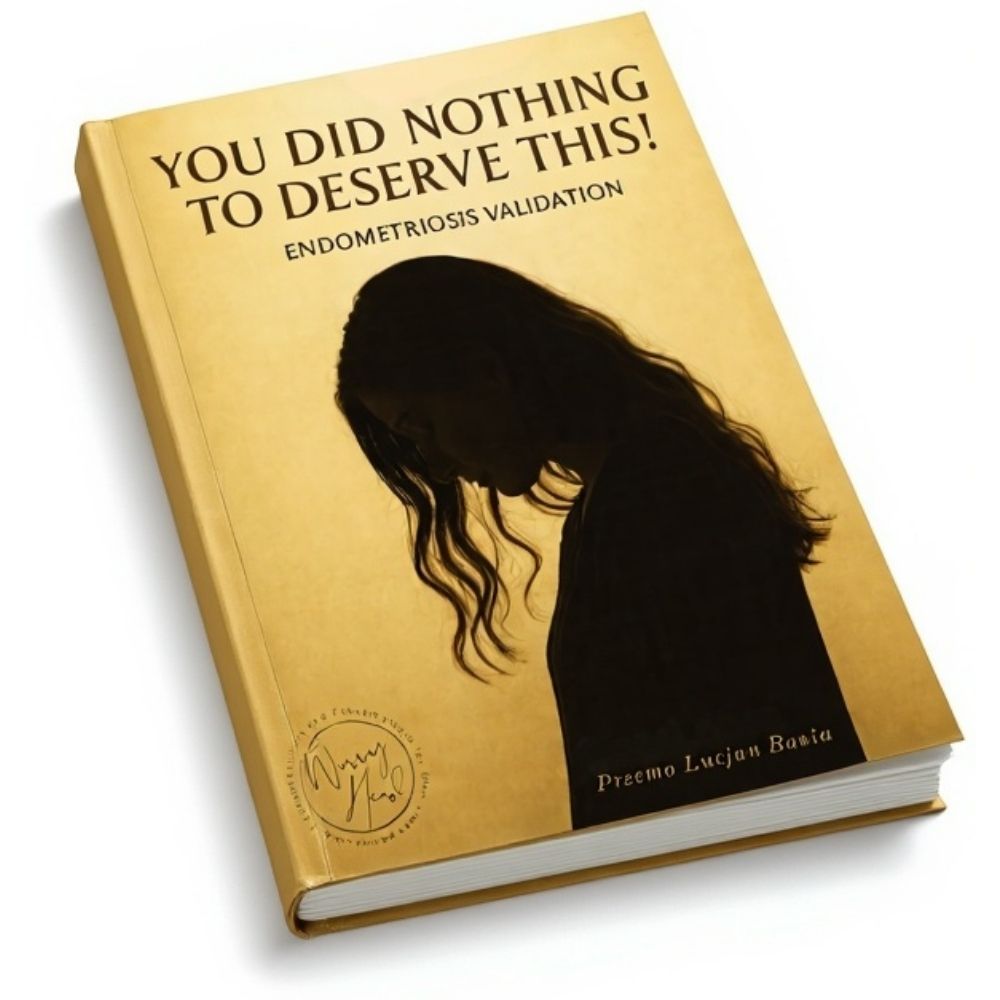
If asking for a little breathing room leaves you afraid of seeming unloving, my free book, You Did NOTHING To Deserve This!, explores the emotional weight that can sit beneath everyday needs. It offers understanding alongside medical information, without asking you to earn care by being easy to support.
You Did NOTHING To Deserve This!
Endometriosis Validation for Women with Endo
What Endometriosis and Needing Space Mean for Your Relationship
The NHS lists pain and fatigue among the possible symptoms of endometriosis and recognises that the condition can affect relationships. That gives context to why an ordinary conversation may feel like too much on a difficult day. It does not tell us what every person wants, or mean that every wish for solitude is caused by endometriosis.
This is one specific part of asking your partner for support during a flare. The parent article covers making a request and sharing practical responsibilities. Here, the question is how to ask for less interaction while keeping the help and connection you actually want.
Describe the Space You Mean
As a husband, I find a concrete request more useful than guessing. You might need fewer questions, no touch or company without talking. Naming the change you want can help your partner respond without making you explain your whole emotional state.
You might prefer company without conversation. You could say, “I would like you here, but I do not have energy to talk.” Another day, you might want the room to yourself and dinner left somewhere agreed. These are illustrative suggestions, not conversations I am claiming happened in my home.
Being specific should reduce the amount of explanation you need, not create a new performance. If only a short message is manageable, use one. You can discuss the details later; your immediate request for quiet does not have to arrive as a perfectly reassuring speech.
Separate Rest from an Unfinished Disagreement
Sometimes you need space because you are unwell. Sometimes a difficult conversation has also happened. Both can be true. If there is an unresolved disagreement, you can name it briefly so that taking a break does not imply that the subject has vanished: “I still want to discuss this, but I cannot do it properly now.”
Our discussion of talking about endometriosis without starting a fight includes returning to a conversation after a pause. You do not need to solve that whole problem again each time you ask for rest. A request for quiet can remain small and specific.
Endometriosis UK’s couples resource encourages finding a balance between time together and time alone. It also recognises that partners may need different kinds of support. Those are broad principles, not instructions for how long a break should last or a test of whether your relationship is healthy.
Keep Affection Separate from Access
I love my wife, but love does not make her attention or body automatically available to me. You can want your partner in your life and still need them to stop talking or touching you. A quiet moment does not cancel your affection.
A partner can feel disappointed or unsure and still respect the request. Their feelings deserve a conversation when you both have room for one, but they do not make your body or attention automatically available. You do not need to provide a hug as proof that a boundary is not rejection.
Make Endometriosis and Needing Space Easier to Explain
I want home to ask less of my wife, not become another place where she has to explain herself perfectly. A few shared words can help. Agree on what they mean when you both have room, and leave the arrangement open to change.
Say What Help Should Continue
If my wife needs quiet, that does not make the ordinary work of our home disappear. Stepping back from conversation should not mean stepping back from care. You may still want food prepared or an agreed task finished, without having to keep someone company while they do it.
We both still work, and I care for disabled children. I cannot promise unlimited availability, nor should your partner. Name the help that is realistically possible alongside the quiet you need, rather than making either of you responsible for an impossible arrangement.
You should not have to rebuild the whole plan every time. Once you have discussed what tends to help, your partner can remember those preferences while staying open to changes. Familiarity is useful; assuming yesterday’s answer must still apply is less useful.
Choose a Simple Way to Reconnect
An agreed check-in can make space feel less uncertain. That might be a text when you feel ready, a quiet question at a mutually chosen time, or your partner checking before they leave the house. Choose something realistic for both of you, rather than a deadline for feeling better.
There is no medically prescribed number of minutes for this. If you choose a time, it can be a time to review what you need, not a promise that symptoms or feelings will have settled. “I still need quiet” can be an honest update rather than a broken agreement.
I would keep any signal simple: a short phrase you both understand may be enough. The point is to save effort. Your home should not need to feel like a clinic, with every change of mood becoming something to monitor.
Plan for a Shared Home
Some homes do not offer a spare room, and some couples share childcare or other responsibilities that cannot simply disappear. Space may have to mean turning off a television, using separate ends of the room, postponing optional conversation or arranging a quieter period around necessary tasks.
Working from home helps my wife, but work and rest still need room beside each other. I would look for one manageable change before an ideal arrangement: less noise, a postponed conversation, or clarity about the next necessary task.
You do not have to make the arrangement perfect before it counts. One small reduction in demands may be the available change today. It is also reasonable to acknowledge that the current situation is difficult and seek practical help where it is available, without framing that difficulty as either partner’s personal failure.
Leave Room to Change Your Mind
You may ask for solitude and later want company, or ask someone to sit beside you and discover that conversation feels tiring. Changing the request does not mean the first one was manipulative. It means you have more information about what feels manageable now.
Explain the change as plainly as you can. Your partner can also say when their availability has changed. Neither of you needs to treat a preference as a permanent contract, but both can be considerate about the other person’s practical commitments.

Staying Connected Through Endometriosis and Needing Space
The Endometriosis Foundation notes that some people want to talk while others want space or distraction. Its support guidance emphasises asking what is helpful. That is a useful starting point because it keeps the person receiving care involved in deciding what care looks like.
If You Are the Partner Who Feels Shut Out
I know the wish to feel useful as a husband. But I need to separate that wish from what my wife actually needs. If your partner asks for quiet, clarify what they mean without making them spend their remaining energy reassuring you.
Something as simple as “Would you like me nearby, or would being alone help more?” offers a choice. Once you have an answer, respect it unless a genuine care or safety concern requires a different response. Repeatedly asking the same question can make the requested quiet difficult to achieve.
I cannot know another person’s internal experience merely because I love them. That boundary matters to me as a husband. My wish to feel useful should not outweigh my wife’s right to say that a particular kind of help is not useful at that moment.
Offer Care Without Keeping a Score
I do not want care for my wife to become a bill payable in conversation or gratitude. If you agree to do a task, let the task be helpful in its own right. Someone can appreciate you and still have no energy left to show it at length.
You are still allowed your own limits. If you cannot continue an arrangement, discuss what needs to change rather than withdrawing help without explanation. The wider communication you build around endometriosis matters between flares as well as during them.
Avoid turning quiet into a punishment in either direction. Agreed space leaves room for necessary communication and a later check-in; using silence to intimidate, demand compliance or withhold essential help is a different problem. You do not have to diagnose the relationship to recognise that an arrangement feels unsafe or unfair.
Keep Medical Needs in Their Own Place
This article is about preferences and communication, not deciding whether somebody is medically safe to be alone. Follow any individual care instructions you have been given, including instructions after procedures or about medicines. A conversation about space should not replace those instructions.
If symptoms are new, worsening or concerning, seek appropriate medical advice rather than assuming quiet is all that is needed. The NHS advises speaking to a GP when symptoms affect daily life and relationships or do not improve with treatment. Your partner’s interpretation of your mood cannot make that clinical decision for you.
If you regularly want less contact because you feel persistently low, frightened or disconnected, that also deserves support. It may help to discuss the pattern with a qualified professional. Wanting occasional solitude does not by itself establish a mental health condition, and neither partner needs to guess a diagnosis.
Notice the Kind of Connection That Remains
Connection does not always require a conversation while symptoms are difficult. It can be knowing that an agreed task will happen, that your request will be remembered, or that you can ask for company later without being criticised for changing your mind. These are modest expectations, but they give care a practical shape.
When you both have room, talk about what worked and what felt awkward. One adjustment may be enough. You do not need to turn every flare into a relationship review, and you do not need to become perfectly easy to support before your needs deserve attention.
You can ask for quiet and still want closeness. The useful question is what care should look like while you have less energy for interaction.
Final Word on Endometriosis and Needing Space
I am still learning how to support my wife. Sometimes that means doing something practical; sometimes it means allowing quiet without making it about me. You do not need to be endlessly available to deserve a loving relationship, and asking for space can leave care firmly in place.
If you are comfortable commenting, what helps you ask for quiet or understand your partner’s request for it? Share only what feels appropriate.
If needing rest brings guilt about being a burden, my free eBook, You Did NOTHING To Deserve This!, offers understanding for that emotional weight.


About Me
Hi, I’m Lucjan! The reason why I decided to create this blog was my beautiful wife, who experienced a lot of pain in life, but also the lack of information about endometriosis and fibromyalgia for men…
READ MORE
Grab a FREE eBook!
“You Did NOTHING To Deserve This!”
Finally hear the words nobody ever said to you, that your pain is real, your tears make sense, and you did nothing to deserve endometriosis, the dismissal, or the way it has rewritten your life.
Related Questions You May Be Asking About Endometriosis and Needing Space
Can I Want My Partner Nearby Without Wanting to Talk?
Yes. Explain that quiet company is what you want, and say whether touch is welcome too. Your partner can then decide what they can offer without having to guess what being nearby means.
What If I Do Not Know How Long I Need?
You do not have to promise a recovery time. Agree on a manageable way to check in, and use that moment to update your preference. Needing more time is information, not a failure.
Should My Partner Leave Me Alone During Every Flare?
No single arrangement fits every person or every flare. Discuss your current preference and any individual care instructions. Do not assume that either constant company or complete solitude is automatically the right support.
Endometriosis and Needing Space References
- https://www.nhs.uk/conditions/endometriosis/
- https://www.endometriosis-uk.org/resources/endometriosis-and-couples
- https://www.theendometriosisfoundation.org/helping-someone-else
Sources checked on 20 October 2026. The NHS page was last reviewed on 27 August 2024; the Endometriosis UK resource was published on 17 July 2026. No review date was displayed on the Foundation page. Suggested wording and household examples are practical editorial suggestions, not a tested treatment or a guarantee of relationship outcomes.
