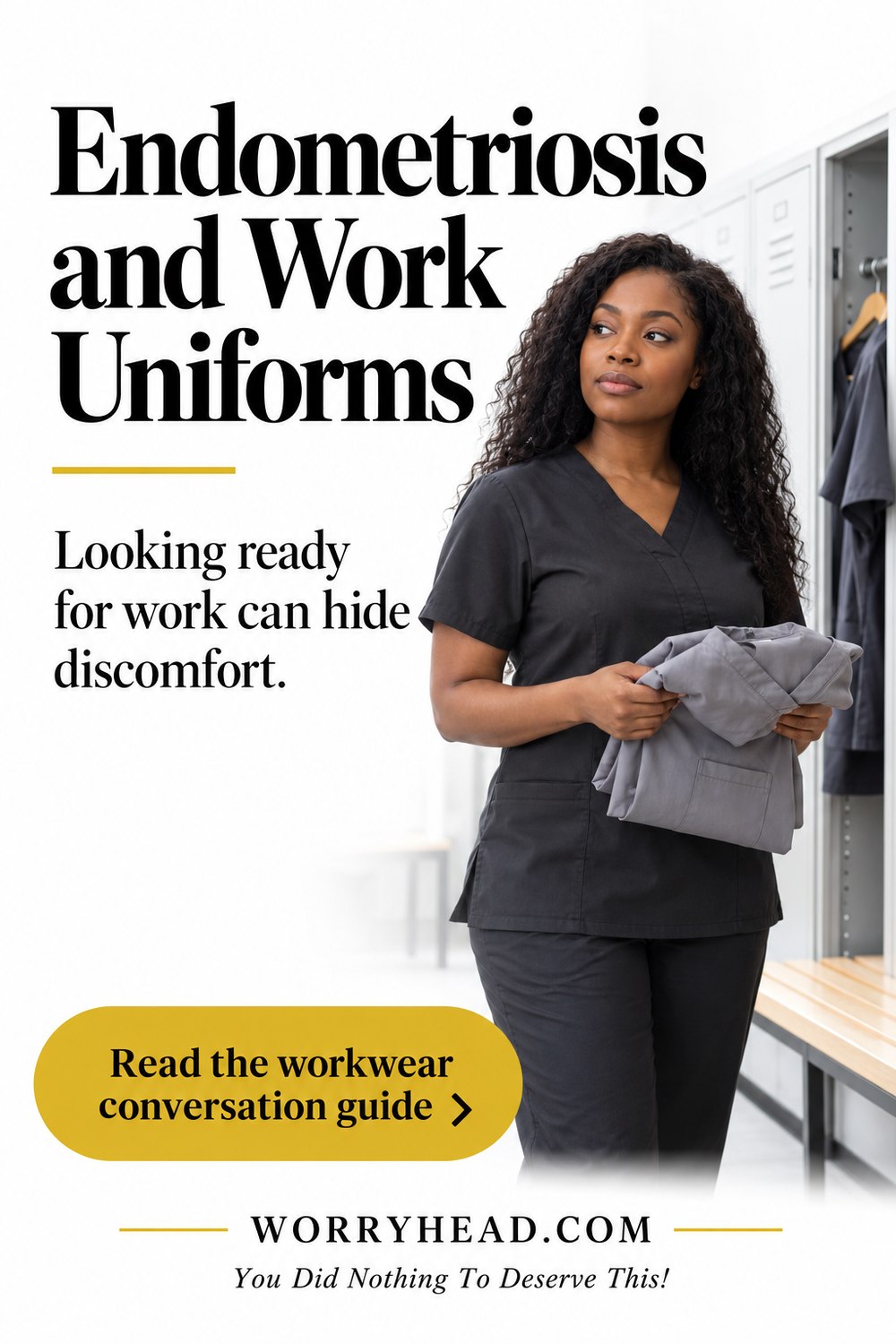
Endometriosis and Work Uniforms When Looking Professional Hurts
Getting dressed for work should not require a private negotiation with every seam. Endometriosis and work uniforms can become a difficult combination when the clothes that make you look ready for a shift are uncomfortable before you have even started.
If a work uniform becomes uncomfortable alongside endometriosis, describe the specific problem and ask about an approved alternative, another fit or a trial adjustment. Discuss privacy, ordering and review arrangements with the relevant person, while preserving required safety and hygiene standards.
I write as a husband, blogger and researcher who has spent years learning because of my wife’s experience, not as a clinician, and the NHS and Endometriosis UK health sources informing this discussion are listed at the bottom.
Understanding why you can look fine while feeling unwell matters when a neat uniform hides the effort of wearing it. Looking professional does not tell a colleague whether you are comfortable.
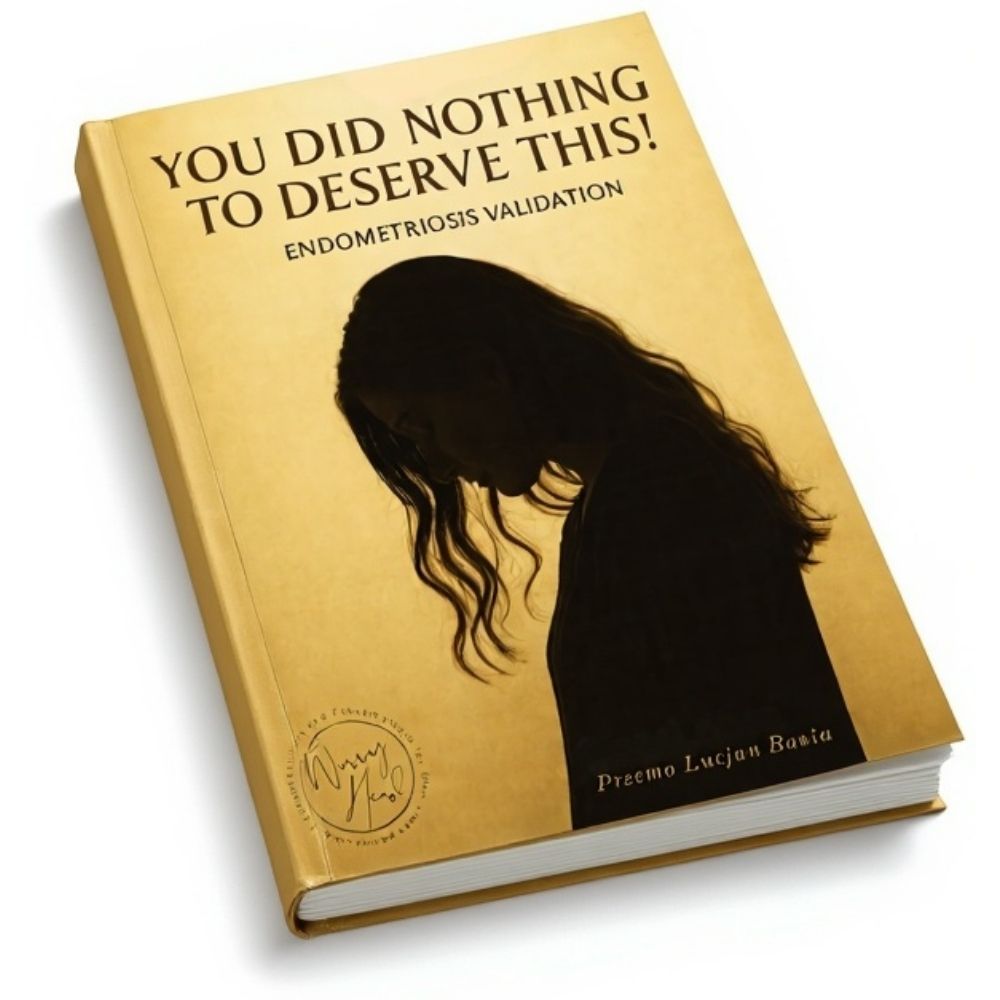
If needing a different fit leaves you feeling difficult or ashamed, my free eBook You Did NOTHING To Deserve This! offers a reminder that your needs deserve kindness. It is for the emotional weight of living with illness, including the parts you carry quietly into work.
You Did NOTHING To Deserve This!
Endometriosis Validation for Women with Endo
- Why Endometriosis and Work Uniforms Deserve a Conversation
- Describe the Problem with Endometriosis and Work Uniforms
- Find the Right Person for Endometriosis and Work Uniforms
- Explore Approved Options for Endometriosis and Work Uniforms
- Keep Safety Central to Endometriosis and Work Uniforms
- Trial and Review Endometriosis and Work Uniforms
- Protect Your Dignity Around Endometriosis and Work Uniforms
- Final Word on Endometriosis and Work Uniforms
- You Did NOTHING To Deserve This!
- FREE eBook
Why Endometriosis and Work Uniforms Deserve a Conversation
A uniform can be part of belonging to a team. It can also remove the choices you would normally make when clothes feel uncomfortable. You may be able to choose something different at home while having little say over a waistband, fabric or fastening at work.
The NHS lists pain, heavy periods and tiredness among possible endometriosis symptoms. Endometriosis UK’s workplace report also identifies uniform fit and bloating as practical concerns. These sources help explain why clothing deserves attention; they do not mean every discomfort has the same cause or every person needs the same change.
My wife and I both still work, and feeling needed matters to her. I would not want a conversation about work reduced to whether she can simply endure more discomfort. Wanting to contribute and wanting clothes that you can tolerate are not competing wishes.
This is about preparing a practical request. It is not a promise that a particular garment will relieve symptoms, a statement about your legal entitlement, or a reason to ignore new health concerns. The useful starting point is the difficulty you can describe and the person who can help consider an appropriate option.
Describe the Problem with Endometriosis and Work Uniforms
Try to move from “the uniform is awful” to the part that is causing trouble. Is the waist uncomfortable when sitting? Does a fastening make changing difficult? Does the fit vary enough that the usual size becomes unsuitable on some days? Your description can be specific without becoming an intimate medical account.
If it helps, make a short note after a typical shift: the garment, the task, what became difficult and what you would like considered. This is a way to organise a request, not a requirement to prove pain. You do not need to photograph your body or repeatedly wear something painful just to collect evidence.
I understand why somebody might minimise the problem when colleagues only see a tidy appearance. Living alongside invisible illness has taught me that what another person can see is a poor measure of the effort involved. A clear description can help a discussion, but your discomfort does not become real only after you find perfect wording.
Separate concerns where possible. Pressure from a waistband, access to a private changing space and worries about spare clothing may need different responses. Naming them individually gives the person helping you something more practical to consider than a general request to make the whole working day easier.
Find the Right Person for Endometriosis and Work Uniforms
Check the usual route for uniform questions in your workplace. That might be a line manager, a uniform coordinator, HR or occupational health if that service is available. You can begin by asking who considers health-related fit concerns without giving detailed information to everyone you approach.
A short request could be: “My current uniform becomes uncomfortable during some shifts. Could we discuss an approved alternative fit and who would need to authorise it?” This is suggested wording, not a conversation I am claiming my wife has had. Adapt it to the actual difficulty and to how you normally speak.
Ask for a private discussion if you do not want the matter raised at a team meeting or across a busy work area. You can also ask what information is needed, why it is needed and who will see it. Avoid assuming a general inbox or a group message is the right place for personal health details.
As a husband, I would want the first response to be curiosity about the problem rather than a judgement about commitment. You are trying to identify a workable arrangement. Asking the right person can keep that practical purpose clear and reduce the number of times you have to explain yourself.
Explore Approved Options for Endometriosis and Work Uniforms
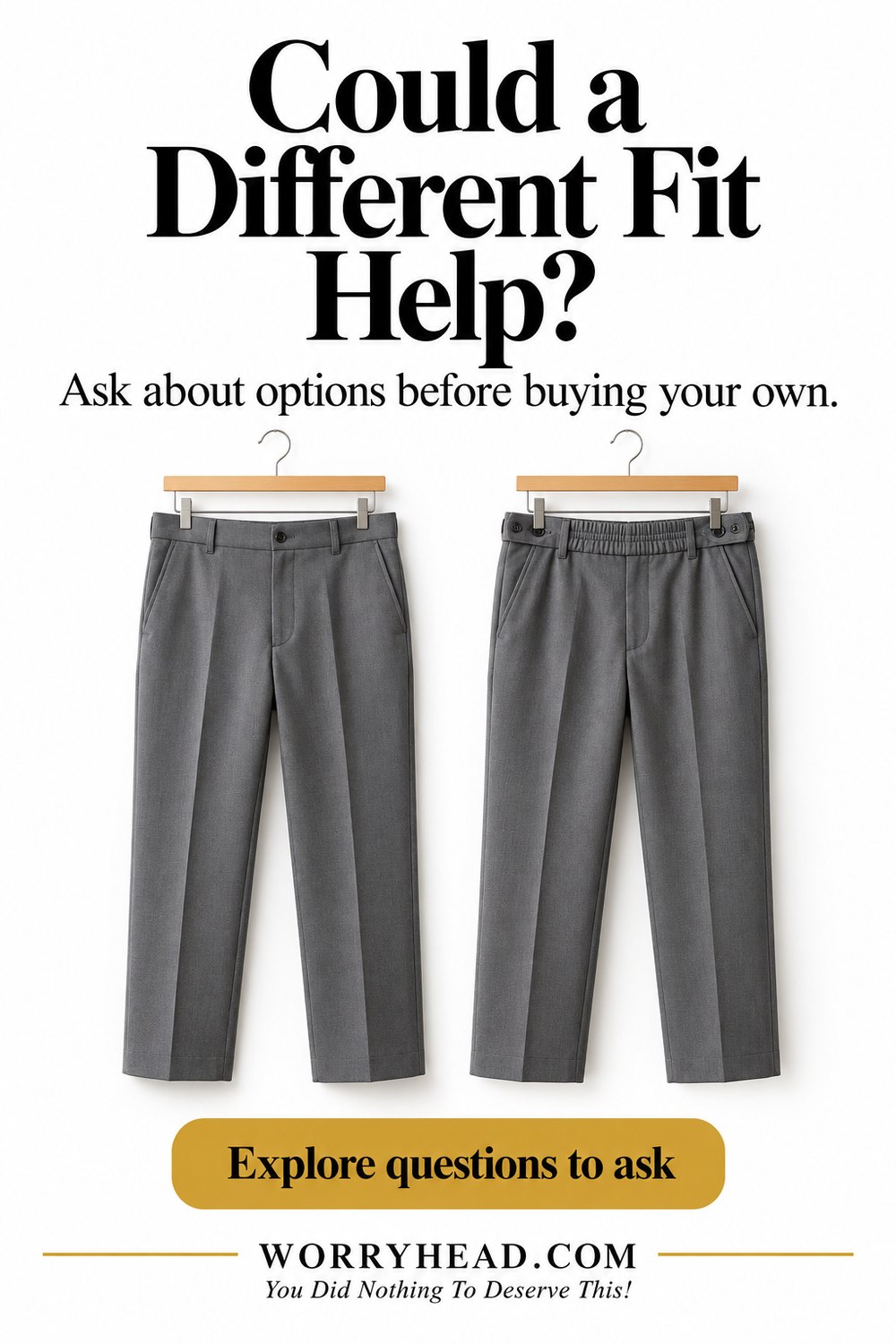
Ask what alternatives already exist before spending your own money or altering issued clothing. Depending on the role, there may be another cut, a different approved size, an adjustable design or an authorised alternative garment. Availability varies, and the option has to suit the actual tasks.
A larger size is not automatically the answer. It may change the fit somewhere else or create another difficulty. Discuss the specific area that needs more comfort and whether a different design is available, rather than treating the number on the label as the whole solution.
Endometriosis UK and Ciphr’s 2025 workplace report describes uniform flexibility as an issue employers can consider. I find the practical lesson more useful than the idea of a single perfect outfit: somebody needs an opportunity to explain what is not working. A change that helps one person should not become another rule imposed on everyone.
If you need a spare approved set, ask about obtaining it, storing it and changing privately. Clarify any ordering or cost arrangements before buying something yourself. These details may seem small from outside the situation, but they determine whether an agreed option can actually be used during a shift.
Keep Safety Central to Endometriosis and Work Uniforms
Some workwear has a protective, hygiene or identification purpose beyond appearance. Do not cut, loosen, substitute or otherwise modify protective equipment on your own. Bring the discomfort to the person responsible for the equipment or workplace safety so an appropriate alternative can be considered.
The same caution applies when a uniform needs to meet particular infection-control or task requirements. Ask which features are necessary and where there is room to consider another approved option. You do not have to decide those technical questions by yourself in a changing room.
I work with disabled children, so I take the practical responsibilities of a job seriously. That is exactly why I would want a clothing concern discussed properly, with attention both to the person wearing it and to the work being done. Ignoring discomfort and improvising unsafe changes are not the only choices.
If the first suggestion does not meet a requirement, ask what other route is available. That could mean another supplier option or input from the relevant workplace service. This article cannot assess a particular garment or job; the decision needs someone who knows the actual requirements.
Trial and Review Endometriosis and Work Uniforms
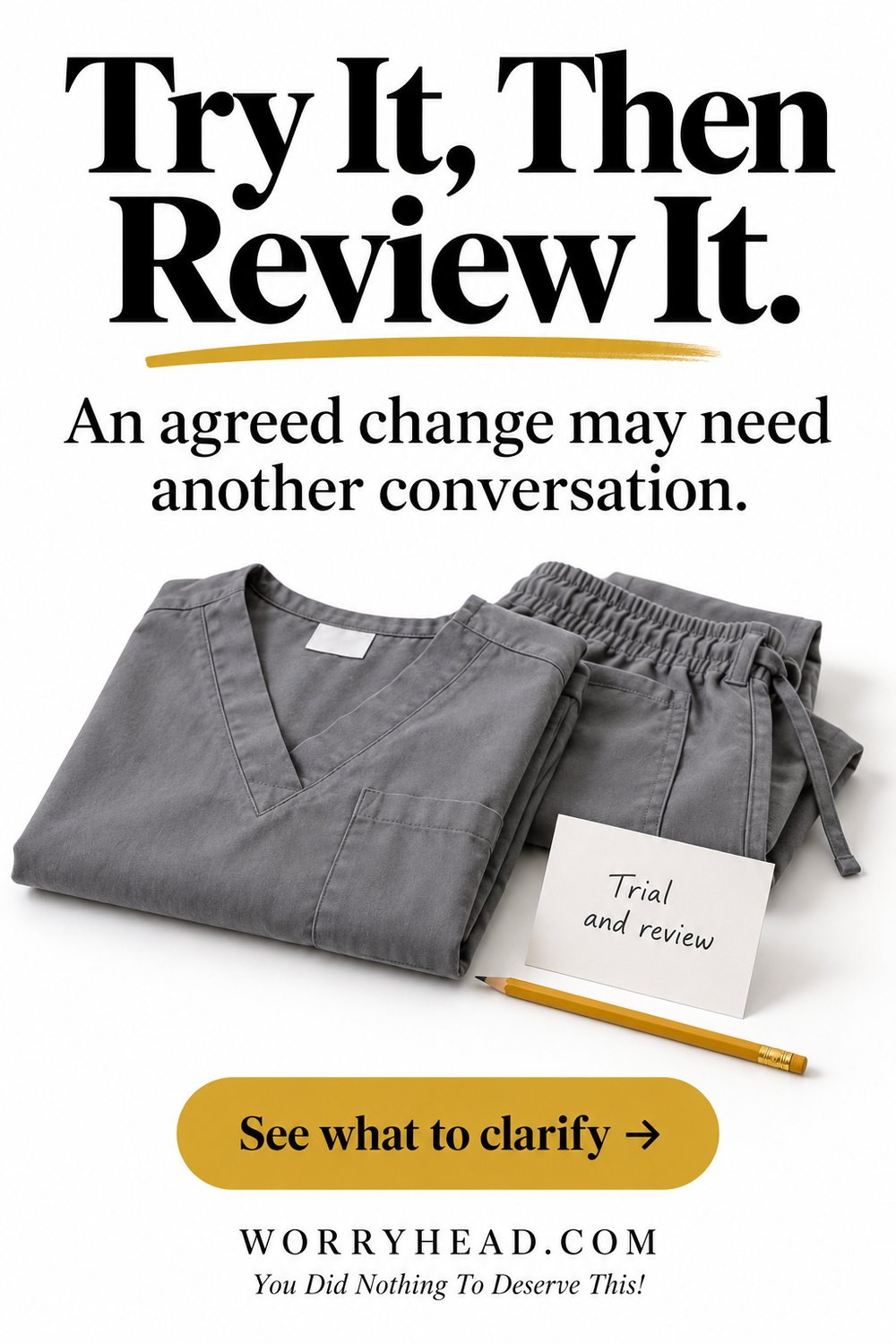
If a change is agreed, make the practical details clear. Which garment is approved? Who orders it? When can you use it? Who should you contact if it creates a different problem? A brief written summary can prevent an arrangement becoming uncertain when another manager is on duty.
You could agree a review after you have had a realistic opportunity to try it. Consider ordinary tasks, sitting and standing if relevant, and whether the fit remains workable across the day. You do not need to turn this into a numerical symptom diary unless that is something you independently find useful.
For me, a trial should be permission to learn, not a test you have to pass to deserve help. If the first option is unsuitable, explain what remains difficult and ask whether another can be considered. Accepting a trial does not oblige you to pretend that it solved everything.
Keep the scope honest. A more suitable uniform may address a clothing problem while pain, fatigue or other symptoms still need separate attention. If symptoms are changing, persistent or affecting your daily life, speak with a healthcare professional rather than assuming that changing clothes is the whole answer.
Protect Your Dignity Around Endometriosis and Work Uniforms
You may worry that a colleague will notice a different fit or think you are receiving special treatment. You do not have to offer the team a detailed explanation. A brief statement that the arrangement has been agreed with the appropriate person may be all you want to say.
Decide in advance whether you want a manager to handle questions about uniform differences. Ask how the arrangement will be communicated without unnecessary health details. The practical goal is for you to work in the agreed clothing, not to become responsible for educating everybody who notices it.
My wife’s experience has made me sensitive to the gap between wanting to feel useful and feeling obliged to hide every difficulty. You can care about your work while protecting private parts of your life. Those needs can sit beside each other without an apology attached.
If your concern is dismissed, ask for the reason and the appropriate next route within the workplace. A specific safety requirement needs a different response from a misunderstanding about what you requested. Keep a factual note of the discussion so you can explain the unresolved problem without having to reconstruct it from memory.
Final Word on Endometriosis and Work Uniforms
You should not have to judge your worth at work by how quietly you can tolerate a garment. Start with the concrete problem, ask who can consider an approved option, and make sure any agreement is usable in the real circumstances of your job.
I cannot tell you which uniform will suit your body or promise how a workplace will respond. I can say that wanting to be comfortable enough to get through the day is a reasonable thing to bring into a conversation. Professional appearance should not make your experience disappear.
If you feel comfortable commenting, you could describe a practical question that helped you discuss workwear, without identifying your employer or sharing private medical information. My free eBook You Did NOTHING To Deserve This! is there for the self-doubt that can remain after a conversation about something as ordinary as clothes.


About Me
Hi, I’m Lucjan! The reason why I decided to create this blog was my beautiful wife, who experienced a lot of pain in life, but also the lack of information about endometriosis and fibromyalgia for men…
READ MORE
Grab a FREE eBook!
“You Did NOTHING To Deserve This!”
Finally hear the words nobody ever said to you, that your pain is real, your tears make sense, and you did nothing to deserve endometriosis, the dismissal, or the way it has rewritten your life.
Related Questions You May Be Asking About Endometriosis and Work Uniforms
Do I Have to Explain Every Symptom?
You can begin with the practical difficulty and ask what information is needed for the request. Keep sensitive details for the appropriate private conversation. The process varies by workplace, so ask who will receive and handle anything you provide.
Should I Buy a Larger Uniform Myself?
Check the approved options and ordering arrangements first. Another size may not solve the particular fit problem, and an independently purchased garment may not meet requirements. Clarifying the process can prevent unnecessary spending or an unsuitable purchase.
Can I Alter Protective Clothing?
Do not make your own changes to protective equipment. Report the fit or comfort concern to the person responsible for it and ask about suitable alternatives. The equipment needs to remain appropriate for its protective purpose and your tasks.
What If the Uniform Fits on Some Days?
Describe that variation rather than dismissing the difficulty. Ask whether more than one approved option can be considered. A garment being tolerable sometimes does not explain what happens on the days when it is uncomfortable.
Will a Uniform Change Treat Endometriosis?
No. This is a practical discussion about workwear, not a treatment recommendation. Seek healthcare advice for symptoms that concern you or interfere with daily life, including when changing clothing does not address the problem.
Endometriosis and Work Uniforms References
- NHS: Endometriosis
- Endometriosis UK and Ciphr: Breaking the Stigma, September 2025, uniform discussion
